Bronx Zoo elephant Happy, subject of landmark rights case, dies at 55
Happy, the Bronx Zoo elephant who became the first to pass a mirror self-recognition test, was euthanized at 55 after a hospice period, closing a landmark rights battle.
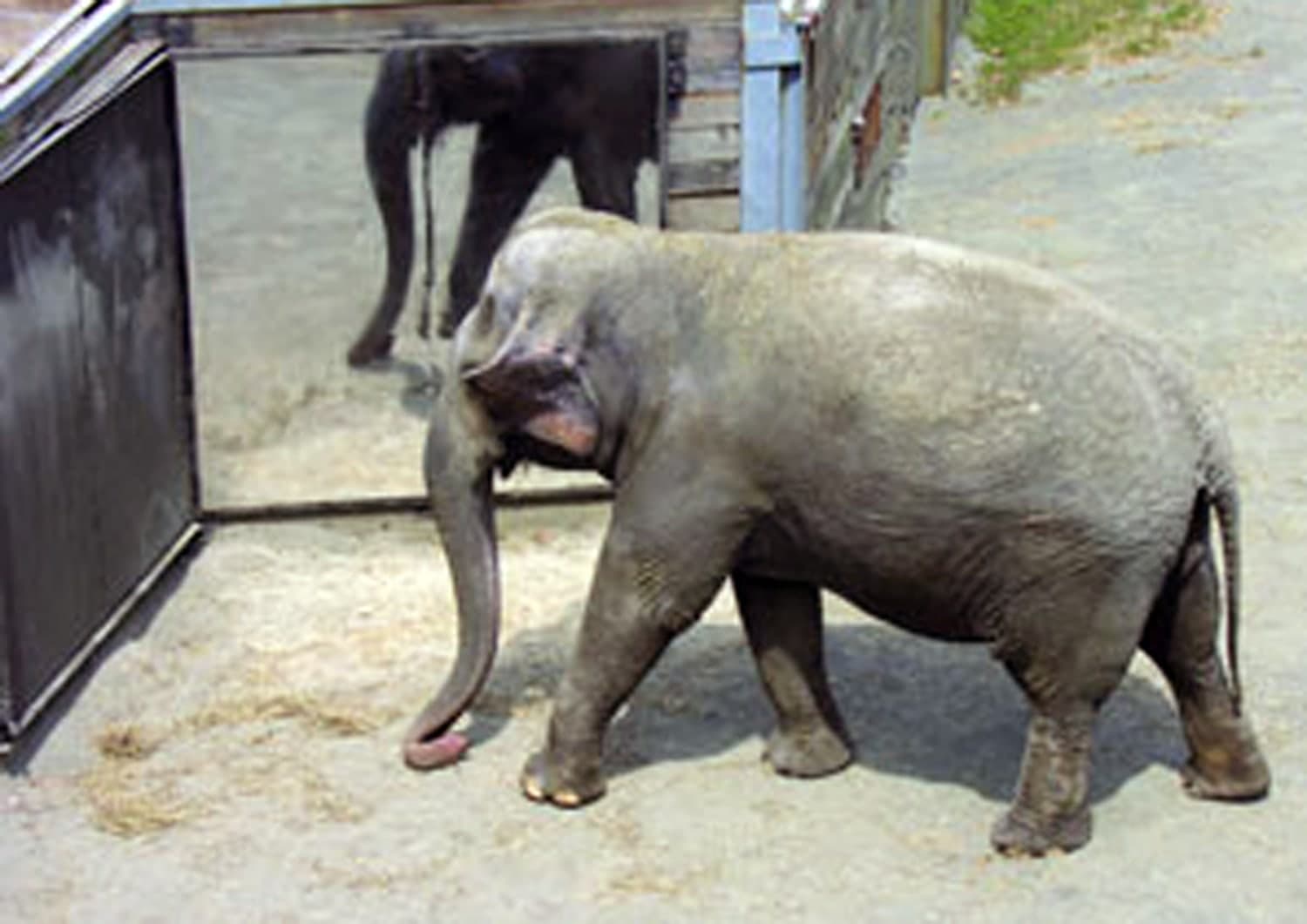
Happy, the Bronx Zoo elephant whose life helped redefine debates over animal cognition and legal rights, was euthanized at 55 after a period of hospice care for progressive, age-related health conditions. The Asian elephant had lived at the Wildlife Conservation Society’s Bronx Zoo for almost a half-century, making her both one of the zoo’s best-known animals and a symbol of how far the animal-rights fight over captivity had moved beyond the elephant exhibit itself.
Happy’s scientific significance was established in 2005, when she became the first elephant to pass the mirror self-recognition test. Researchers and animal-rights advocates have long treated that result as evidence of self-awareness, a finding that gave her a place in a broader debate over which animals should be understood as cognitively complex beings rather than property. For supporters of stronger protections, Happy was not just a popular zoo resident. She was a case study in whether the law had caught up with the science.
That question reached New York’s highest court. The Nonhuman Rights Project sought to move Happy from the Bronx Zoo to a sanctuary, arguing that her intelligence and the conditions of her confinement justified legal recognition of a liberty interest. In 2022, the New York Court of Appeals rejected the effort, holding that habeas corpus is intended to protect the liberty rights of human beings and did not apply to Happy’s detention. The ruling became a major marker in the legal strategy around animal personhood, setting a clear boundary on how far the courts were willing to extend human civil-rights doctrines to a zoo elephant.
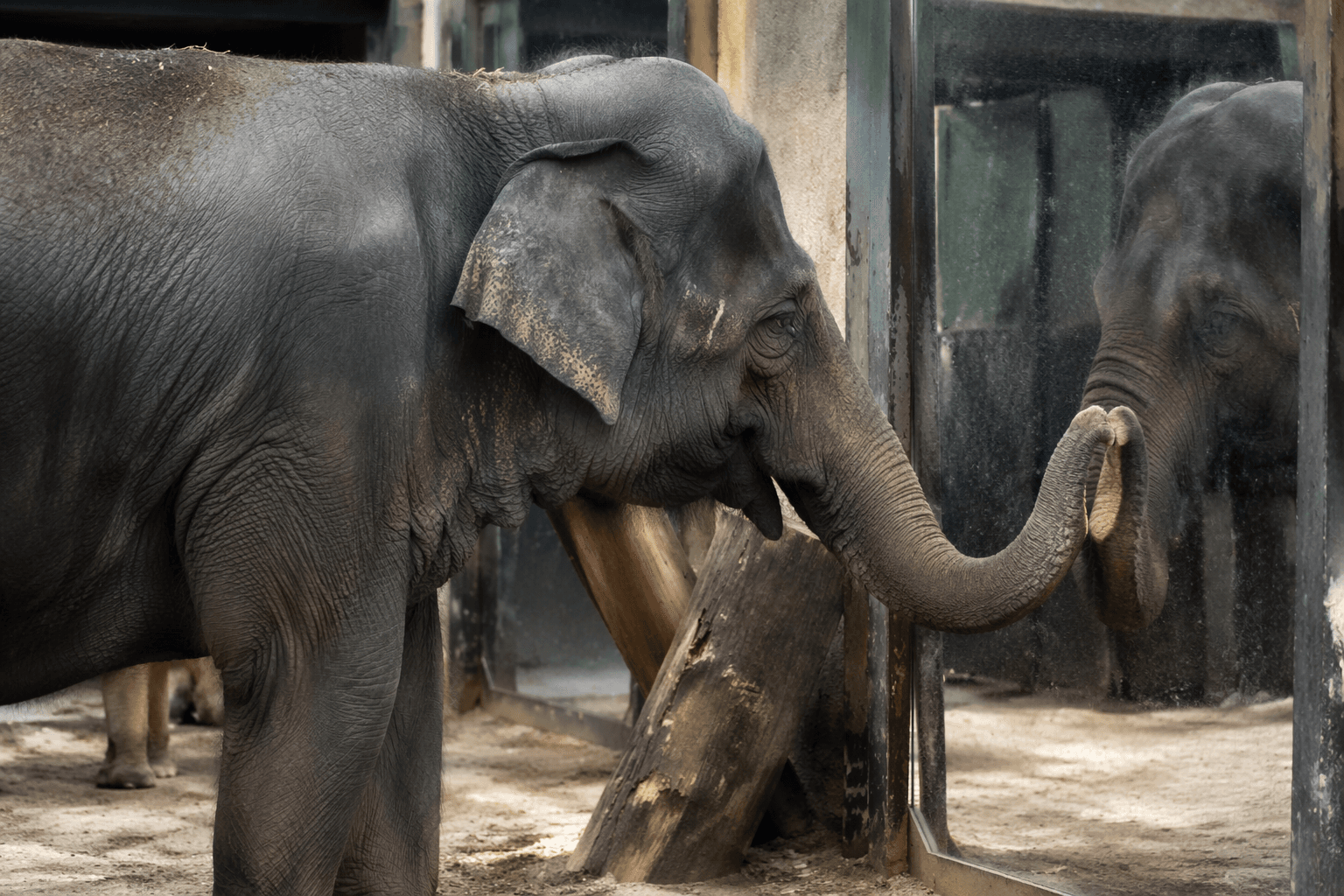
The case kept drawing attention as Happy aged. In August 2024, the New York City Bar Association urged that she be transferred to a sanctuary, citing concerns about her mobility, indoor confinement, lack of socialization, exercise and enrichment. Her history also mirrored the Bronx Zoo’s changing elephant herd. Happy arrived in 1977 after being relocated from the wild and lived for years with other elephants including Grumpy, Patty, Maxine and Sammie before becoming the last surviving elephant in the exhibit. Her death closes a long chapter for the zoo and leaves behind a record that shaped both public expectations and the legal limits of animal-rights advocacy.
This article was produced by Prism’s automated news system from verified source data, official records, and press releases, then run through automated quality and moderation checks before publishing. The system is built and supervised by the people who set the standards it runs under. Read our full AI policy.
Know something we missed? Have a correction or additional information?
Submit a Tip