Browns stockpile 2027 picks after Myles Garrett trade with Rams
Cleveland turned Myles Garrett into a 2027 first-rounder and a deeper pick haul, putting the Browns among just two teams with multiple first-rounders that year.

Cleveland used the Myles Garrett trade to turn a star exit into draft leverage, and the ripple effect was immediate: the Browns became one of only two NFL teams, along with the Jets, holding multiple first-round picks in the loaded 2027 draft class.
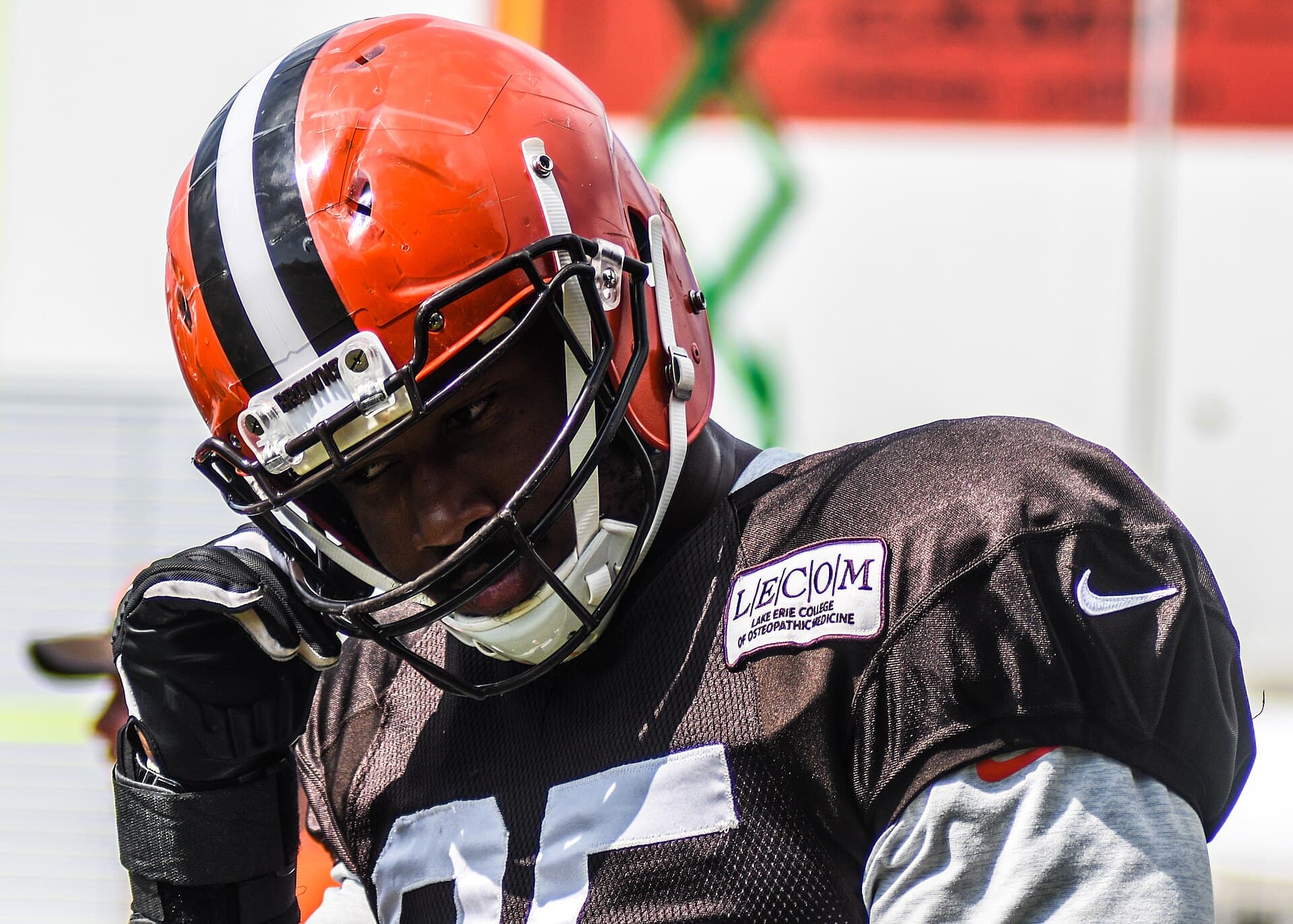
The deal sent Garrett to the Los Angeles Rams and brought back edge rusher Jared Verse, a 2027 first-round pick, a 2028 second-round pick and a 2029 third-round pick. It also closed the book on one of the franchise’s most decorated players, a seven-time Pro Bowler, five-time first-team All-Pro and two-time NFL Defensive Player of the Year who owns the NFL single-season sack record with 23 and has 125.5 career sacks.
The transaction carried both football and financial logic. Garrett waived a no-trade clause in the four-year, $160 million extension he signed with Cleveland in March 2025, and the move came after the June 1 cap-date checkpoint that lets teams spread dead-money charges over two league years. That timing gave the Browns more flexibility as they retooled around a future that now centers on premium draft capital rather than one player’s prime.
Andrew Berry made clear that Jared Verse was not a throw-in. The Browns general manager called the young pass rusher a “huge part” of the return, underscoring how Cleveland framed the deal as an asset-management move as much as a roster reshuffle. The Browns had not intended to move Garrett, but they still chose to convert his value into a multi-year package that could define the next phase of the rebuild.
The rest of the league noticed what Los Angeles was buying. Trent Williams, the San Francisco 49ers left tackle, summed up the reaction in the NFC West with a blunt assessment of the Rams’ addition: “It sucks.” NFL.com also described Garrett’s arrival as a move that could alter Chris Shula’s defense and strengthen the Rams’ Super Bowl outlook, a reminder that the trade was built on different timelines in two cities.
For Cleveland, the significance goes beyond one headline transaction. The Browns now control the kind of draft capital front offices covet when they are searching for a franchise quarterback, and 2027 already looks like the first real test of whether this recalibration can produce more than flexibility. The franchise chose future control over present certainty, and the draft board now reflects that choice.
This article was produced by Prism’s automated news system from verified source data, official records, and press releases, then run through automated quality and moderation checks before publishing. The system is built and supervised by the people who set the standards it runs under. Read our full AI policy.
Did this article answer your question?