Brunello Cucinelli Fall/Winter 2026 Elevates Handmade Craft and Quiet Luxury
Buy the knit outerwear: Brunello Cucinelli’s Fall/Winter 2026 turns handworked mohair and wool into outerwear that reads like fur and couture.
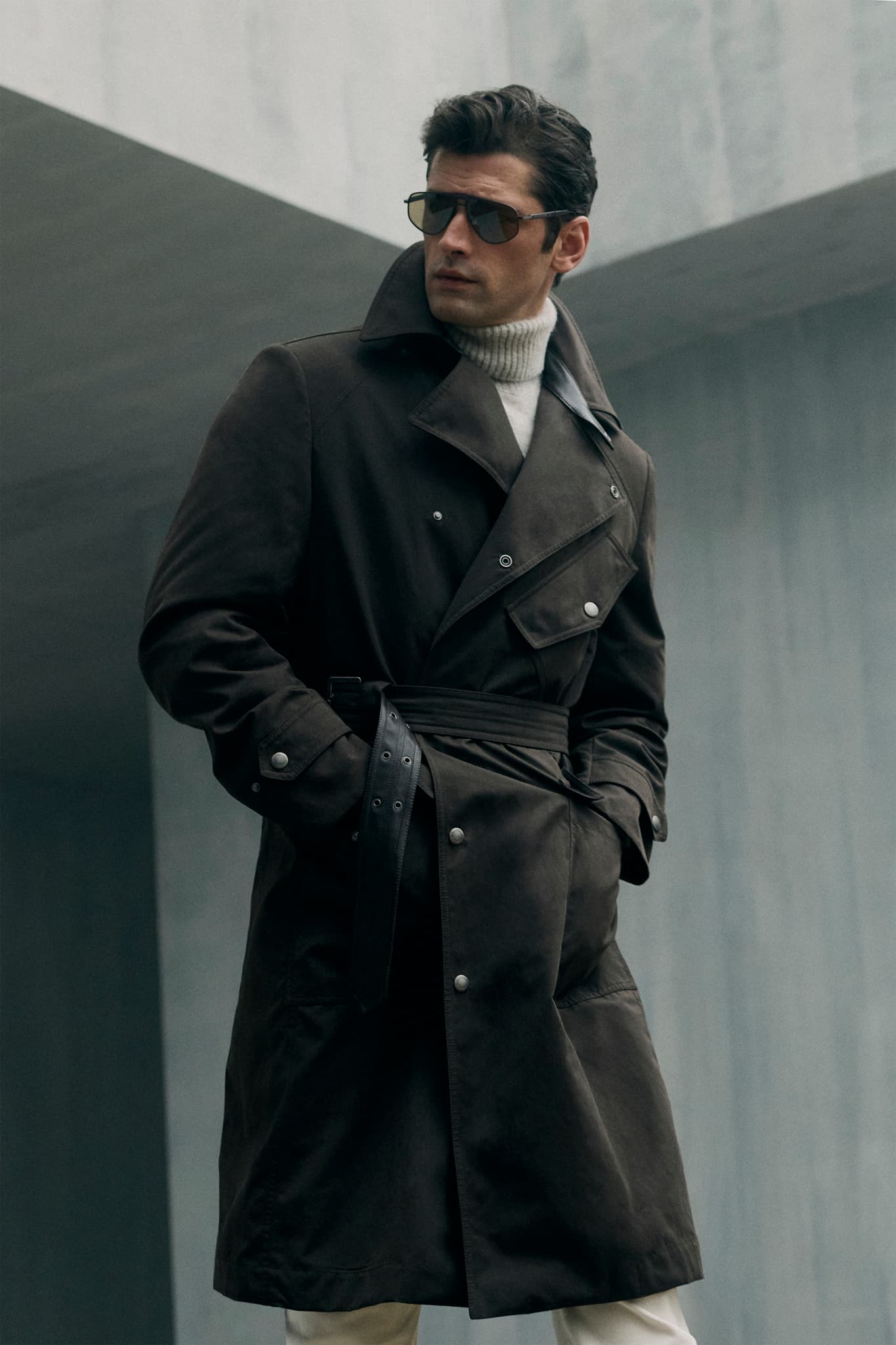
If you buy one piece from Brunello Cucinelli’s Fall/Winter 2026, make it a handworked knit outerwear; the collection elevates knitwear into the season’s defining outer layer with techniques that turn yarn into illusionistic fur and shimmering lace. Aaron Kok observed that “the true protagonists were the hands,” and his report describes yarns coaxed into wool lace interlaced with sequins and mohair teased into buoyant, almost feral fringes — details that literally remake what a sweater can do.
Schön! Magazine named the collection Ars Imitatur Naturam — Art Imitates Nature — and Brunello Cucinelli framed the season as a response to minimalism, calling it “country couture.” Vogue captured the designer’s intent that “when imagination and artisanal knowledge work together, aligning to find solutions to achieve the very best,” the results are collaborative and far from anonymous. WWD quoted Cucinelli that “it’s not the time for minimalism or anonymous looks,” positioning the line as a tactile manifesto rather than a wardrobe of basics.
The technical feats drive that manifesto. Harper’s Bazaar’s account catalogues hands-on processes: “twist, stamp, tease, embroider, persuade yarn into something deceptively like fur.” The runway revealed a bomber that read like plush mink but was “pure wool knit engineered into pillowy fullness,” and a shaggy long coat in a hazy tobacco tone whose sequined strands caught the light. Vogue noted fusilli-like wool fringes and mohair teased into sequined filaments that enveloped a sweeping cape; WWD reported a crochet tweed and cashmere vest “made by hand in a process that took 30 hours.”
Silhouettes softened tailoring across the board. Esquire called out the casualisation of suiting — blazers with slightly structured shoulders and softer lines — while looks paired knit outerwear with wide-leg corduroys and garment-dyed cargos. Schön! highlighted a slightly eccentric touch: silk ties reappearing alongside cargo trousers as a composure device. Esquire identified standout pieces by look number: Look 5’s classic suiting under a leather jacket, Look 26’s double-breasted leather jacket, Look 27’s Prince of Wales checked suiting and Look 30’s cable knit cardigan fitted with gold buttons.
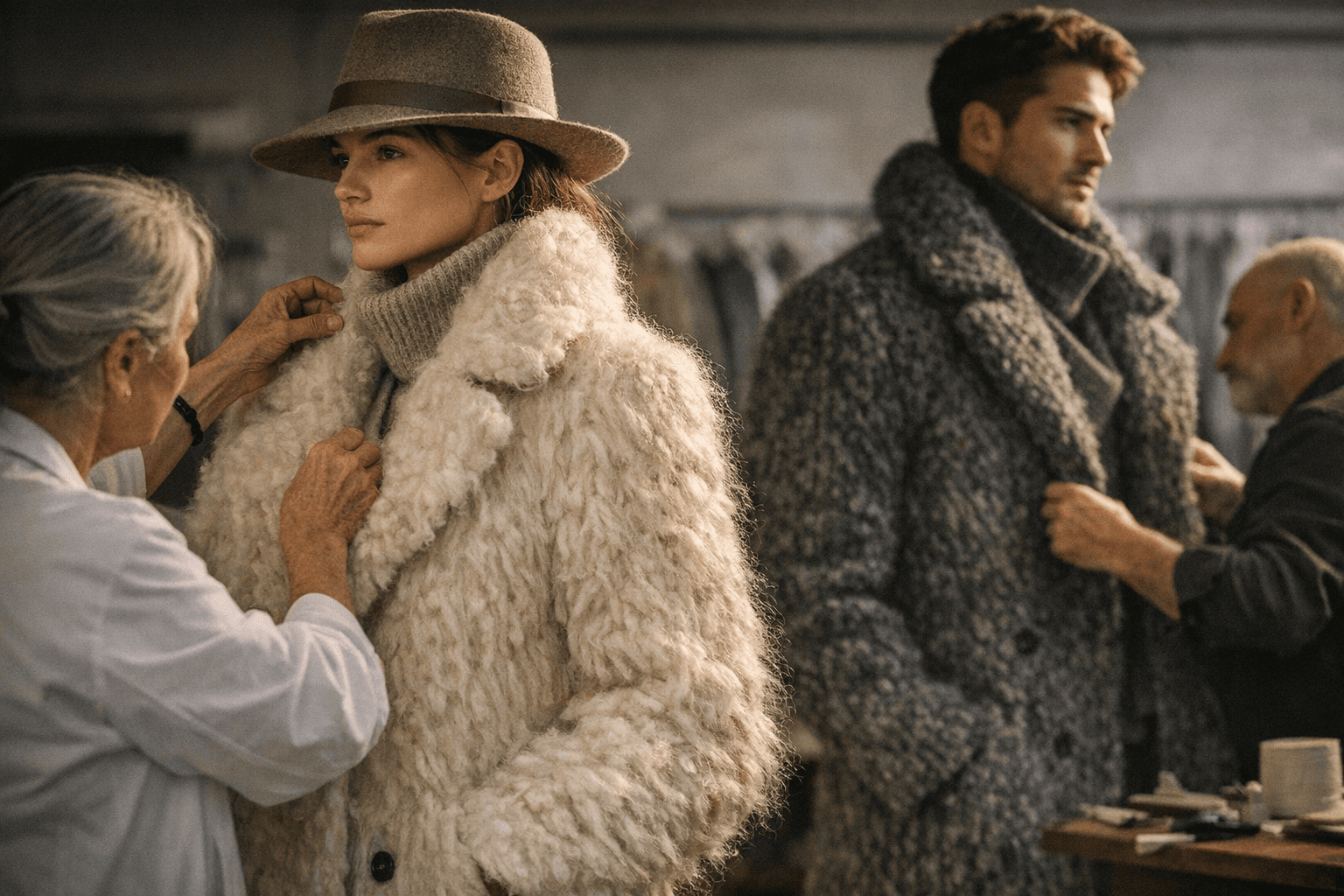
The palette completed the reading of nature: forest-floor neutrals, charcoal, shearling and suede warmth, and “lots of brown” that WWD said telegraphed a misty English countryside. British heritage motifs — checks, pied-de-poule, Prince of Wales and tartan — cropped up across bombers, jackets and trouser-skirts, giving the artisanal work a familiar sartorial grammar.
There is a small venue discrepancy in accounts — one report places the presentation “in a glass greenhouse in Milan,” another references Casa Cucinelli — but the throughline is clear: craft-led pieces, heavy on handwork and textural invention, form the collection’s core. Schön! notes the line “hits boutiques later this year,” making the practical takeaway straightforward for buyers who value investment pieces: choose the handworked knits and artisanal outerwear now, because here quietness is treated as radical and made to last.
Know something we missed? Have a correction or additional information?
Submit a Tip