Brunswick Naval Air Station Transformed: WWII Sonar Base to Bowdoin Solar
Brunswick lost its second-largest employer when NAS Brunswick’s runways closed on January 29, 2010, and Bowdoin College converted more than 127 acres at Brunswick Landing into solar fields, housing and trails.
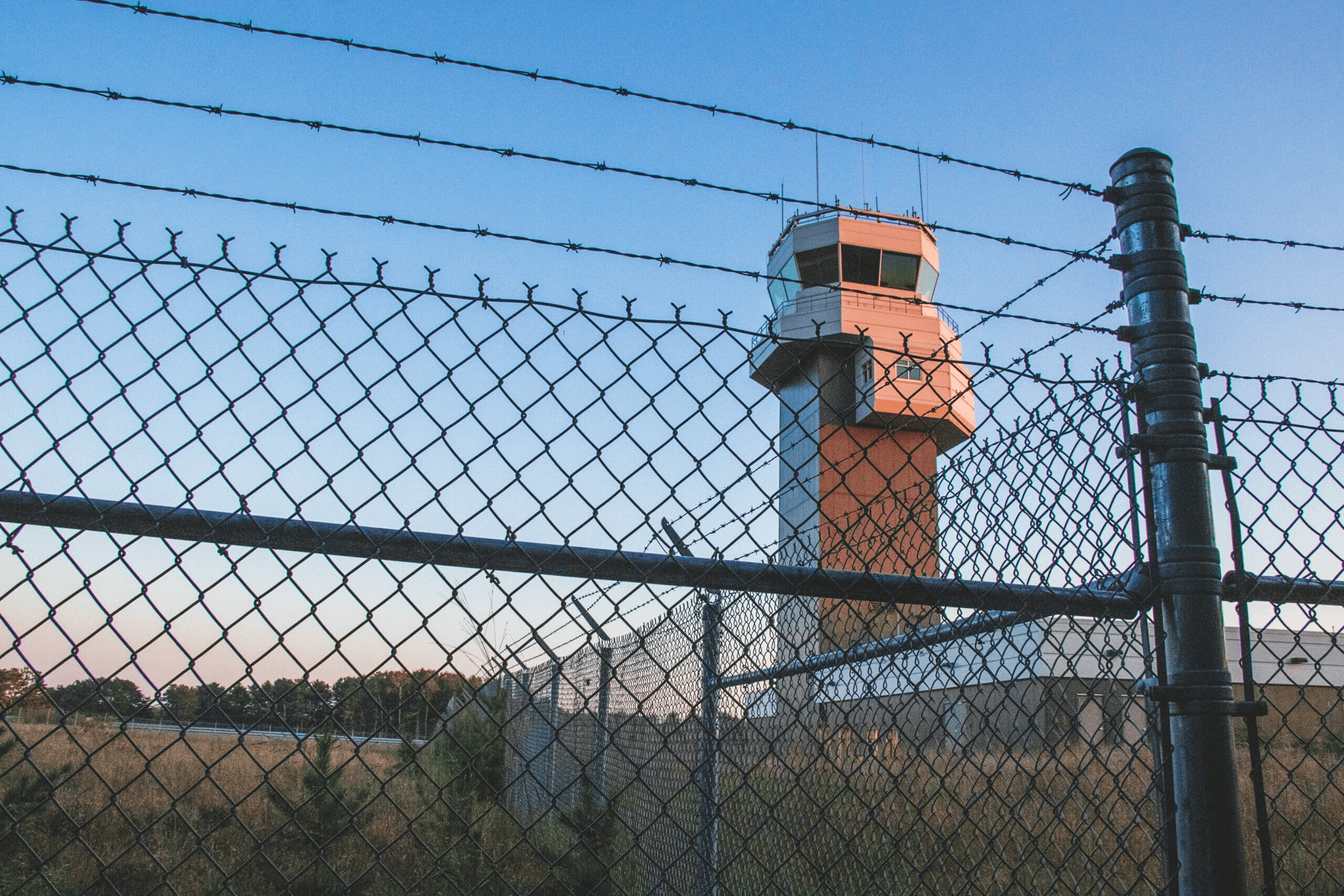
Brunswick lost its second-largest employer when the runways at Naval Air Station Brunswick closed on January 29, 2010, a shock that arrived amid the 2008 financial downturn and forced a rapid local economic pivot. Bowdoin College acquired a large portion of the former base and has since repurposed the land for renewable energy, housing, walking trails and a private airport at Brunswick Landing.
The air station’s origins are concrete: constructed in March 1943 and commissioned April 15, 1943 to train Royal Canadian Air Force pilots, the base hosted scouting squadrons such as VS-1D1 and later long-range patrol aircraft. The base was deactivated in October 1946, re-commissioned March 15, 1951 to support multiple land-plane patrol squadrons, and in 1951 the Navy sought $35 million to develop a Master Jet base plus an additional $20 million for barracks and quarters. Squadrons historically flew the P2V Neptune and later the P-3C Orion, a long-range anti-submarine and surveillance aircraft noted for directional sonobuoys and magnetic anomaly detection equipment.
Bowdoin’s campus energy strategy dates to a Fall 2009 plan to reach carbon neutrality by 2020. The college moved quickly: a solar farm opened on former air station land in 2014, an installation then tied to SolarCity and described at the time as Maine’s largest solar array with rooftop PV on Bowdoin athletic facilities. That 2014 installation was projected to offset about 2,000 tons of carbon dioxide annually.
Proposals and capacity figures have been concrete. A proposed 1,300-kilowatt system combined roughly 600 kilowatts of rooftop panels on Farley Field House and Watson Arena with about 700 kilowatts of ground-mounted panels on three acres of the more than 127 acres Bowdoin acquired less than a mile from campus; the project required board sign-off and multiple local, state and federal approvals. Communications Director Scott Hood said, “the Board of Trustees met Friday afternoon to review the proposal, which is contingent on its approval.”

More recent construction has shifted partners. A new array on 19.5 acres was designed, constructed and is maintained by Sol Systems; Sol Systems owns the installations while Bowdoin buys the power it injects into the Central Maine Power grid based on meter readouts. Bowdoin reports that more than 90 percent of its electricity now comes from Maine-based solar, and the college cites a 2042 target to be fossil fuel-free. Keisha Payson, Director of Sustainable Bowdoin, said, “The site will be used for research and learning by many disciplines.” A college official named Deeds added, “Bowdoin is assessing what is happening out there to make good management decisions,” and “It's helping students learn about ecology and data collection and analysis.”
The college’s solar work is part of a regional effort: a New England college renewable partnership launched a Farmington facility in 2018 that now delivers electricity to five liberal arts colleges, and Bowdoin has signed agreements for additional Maine PV facilities scheduled to come online between 2021 and 2023. Bowdoin College President Clayton Rose said, “Bowdoin celebrates this important milestone with our partner colleges from Massachusetts,” and “We're proud to be part of a project that stands as an important example of how collective actions at institutions like ours can make a meaningful difference in reducing greenhouse gas emissions. It’s an especially exciting time for Bowdoin, as our involvement in this solar project is part of a larger effort to source 100% of Bowdoin’s electricity purchases from Maine-based renewable energy.”
Administrative steps have accompanied the redevelopment: the land transfers and projects required local, state and federal approvals, and records show federal conveyance steps were part of the transfer of Navy parcels into college hands. Measured impacts are already visible — a multi-acre solar footprint one mile as the crow flies from the Hyde Plaza granite polar bear in front of Smith Union, a claimed offset of roughly 2,000 tons of CO2 from early installations and a reported shift to more than 90 percent Maine solar electricity — signaling a generation-scale change in how Brunswick Landing contributes to town tax base, campus energy and student learning.
Know something we missed? Have a correction or additional information?
Submit a Tip