Budget Committee hears testimony on passenger-for-hire excise tax
City Council committee reviewed a draft excise tax on passenger-for-hire services; changes could affect drivers, companies and rider costs.
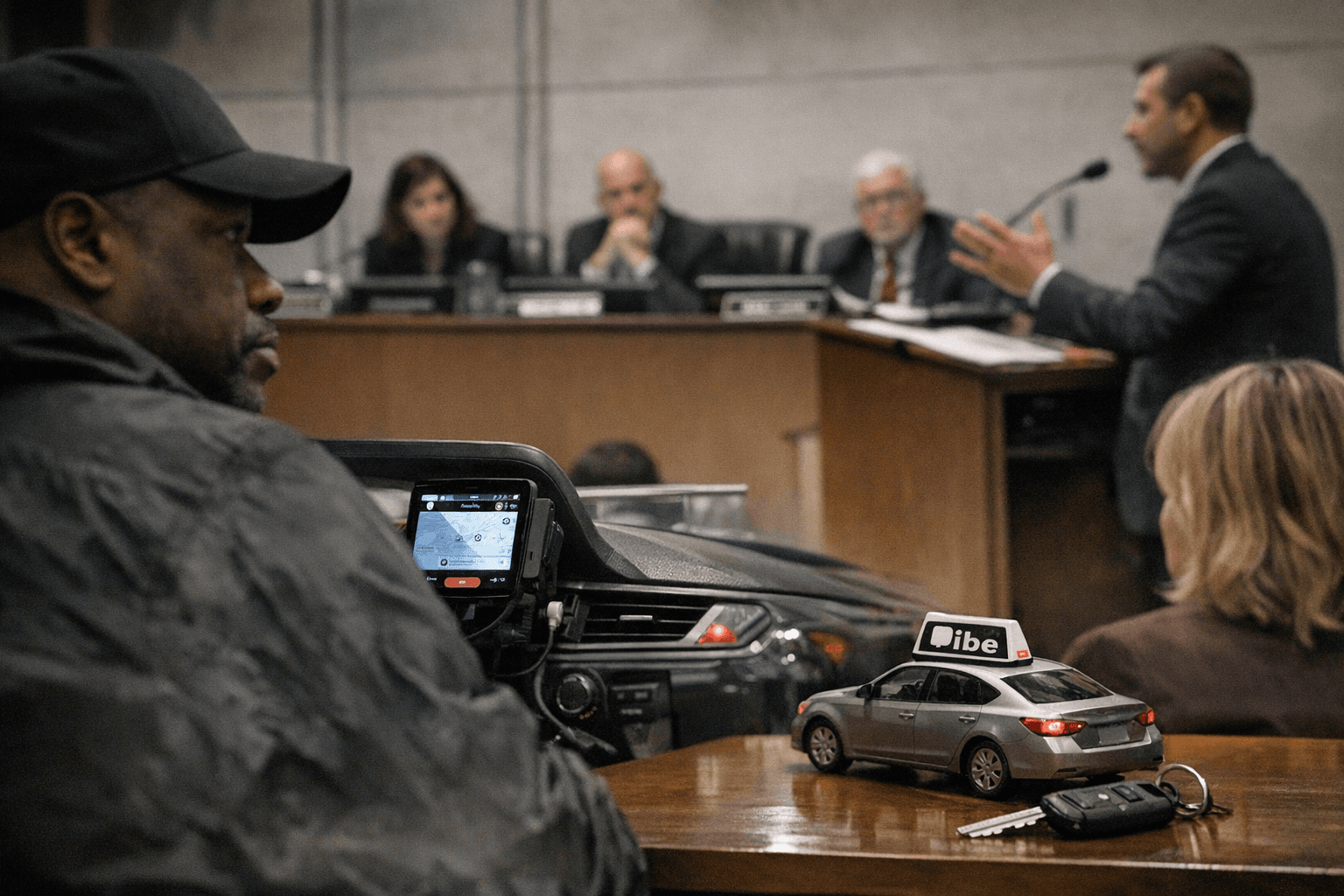
On Jan. 13 the City Council’s Budget & Appropriations Committee took up detailed ordinance language for a passenger-for-hire services excise tax, reviewing the Legistar legislation detail page for legacy file 19-0320 and related corrective language. The material presented included the full ordinance text and explanatory notes that outline how the tax would be defined, imposed and administered across taxi, limousine, sedan and transportation network services operating in and through Baltimore City.
Committee documents set out key components that will determine who pays and when. Definitions of passenger-for-hire services aim to capture a range of providers from corner cabs to app-based rideshare vehicles. The ordinance text describes tax imposition mechanics and remittance schedules intended to govern when providers must collect and remit the excise. Administrative reporting requirements in the package would require operators to submit records and periodic reports to the city for compliance and auditing.
Council members used the hearing to consider possible amendments and to hear public testimony. The committee hearing allowed drivers, industry representatives and residents to raise concerns about compliance burdens, the potential impact on fares and how the tax treats trips that pass through the city without originating or ending there. Because the ordinance applies to services operating "in and through" Baltimore, cross-jurisdictional issues and trip-routing practices were central themes for testimony and likely topics for future amendments.
For Baltimore drivers and small operators, the proposed remittance schedules and reporting rules could change cash-flow dynamics and administrative load. Independent drivers, many of whom are immigrants or small business owners, may face new recordkeeping expectations or different tax liabilities depending on how the final language allocates collection responsibility between companies and individual drivers. For riders, the city’s aim to raise revenue through an excise tax could mean upward pressure on fares if providers pass costs along.
Municipal officials framed the proposal as part of broader fiscal planning, while stakeholders framed it as a balancing act between generating city revenue and protecting the livelihoods of drivers and the affordability of rides. Cities globally have wrestled with similar questions as transportation models shift and new platforms emerge, making Baltimore’s deliberations part of a wider conversation about regulation in the digital age.
What comes next is a period of amendment and review: the Budget & Appropriations Committee may refine the ordinance language before sending it to the full Council, and further public comment is likely. Baltimoreans who work in or rely on passenger-for-hire services should watch council agendas for proposed rates, remittance schedules and implementation timelines that will determine how this policy changes daily rides across the city.
Sources:
Know something we missed? Have a correction or additional information?
Submit a Tip

