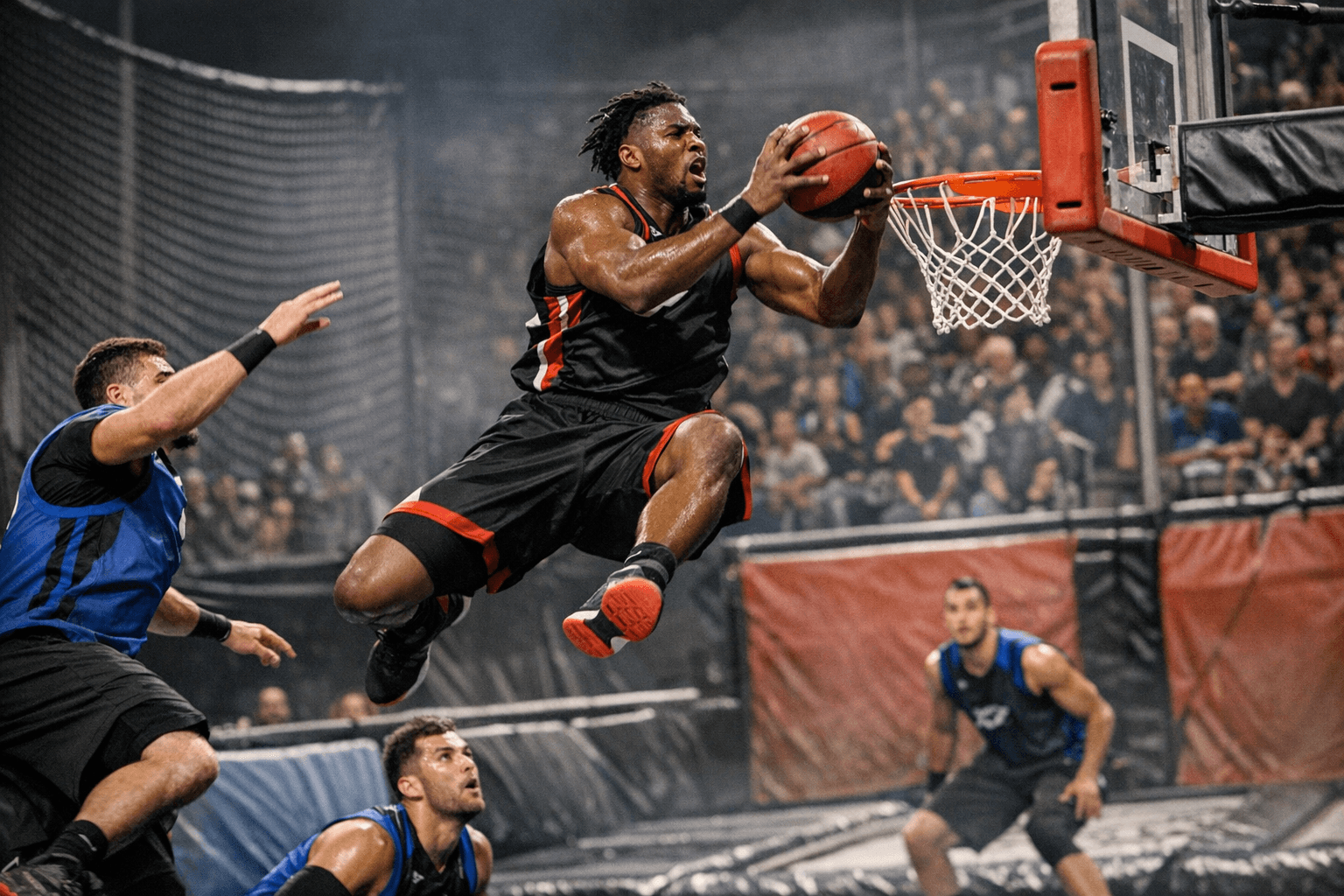
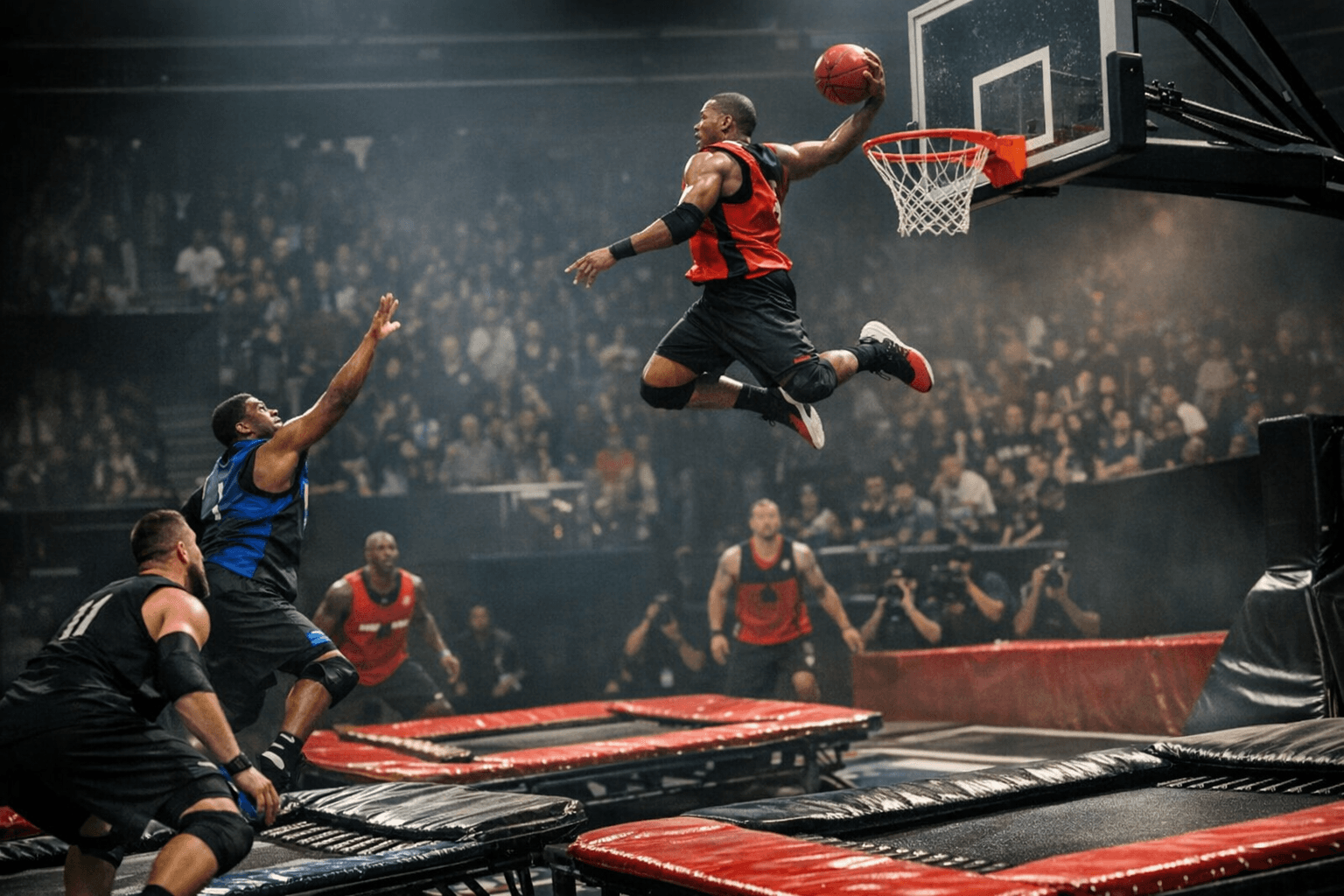
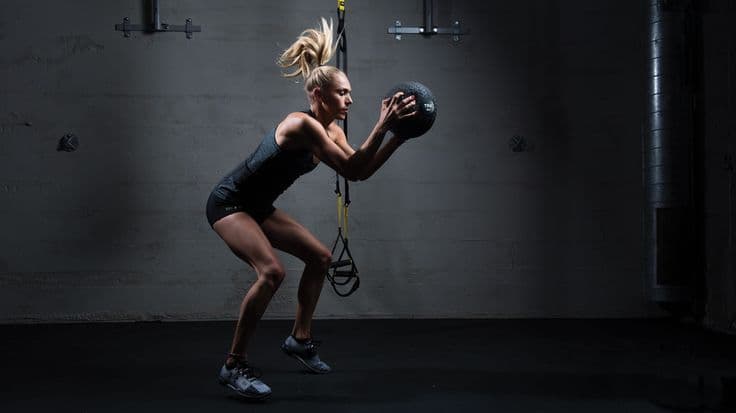
Build a Safe Backyard SlamBall 2v2 Setup for Training and Family Play
Build a safe SlamBall‑style 2v2 backyard court for training, family play and content creation, with safety first, simple gear picks, a compact court plan, progressive drills, and short‑video production tips.
1. Why a backyard 2v2 SlamBall setup matters
This practical guide explains how to create a safe backyard SlamBall‑style 2v2 setup for training, family play and content creation. A compact, well‑designed court lowers barriers to entry and turns practice sessions into watchable moments, important because reader data shows streaming/format changes and short video assets correlate with higher engagement, and the winning backyard piece leveraged a demo clip.
2. Safety first: rules, surfaces, and supervision
Prioritize safety by defining clear rules for age, contact, and allowed moves before anyone jumps in; these rules reduce risk during family play and progressive training. Select a level, shock‑absorbing surface and establish an adult supervisor for younger players so drills stay controlled; safety is the foundation of a backyard setup intended for families and content creation. Keep simple emergency items on hand, first‑aid kit, phone, and a plan to stop play immediately; safe sessions protect players and keep content usable across platforms.
3. Equipment selection for a 2v2 backyard course
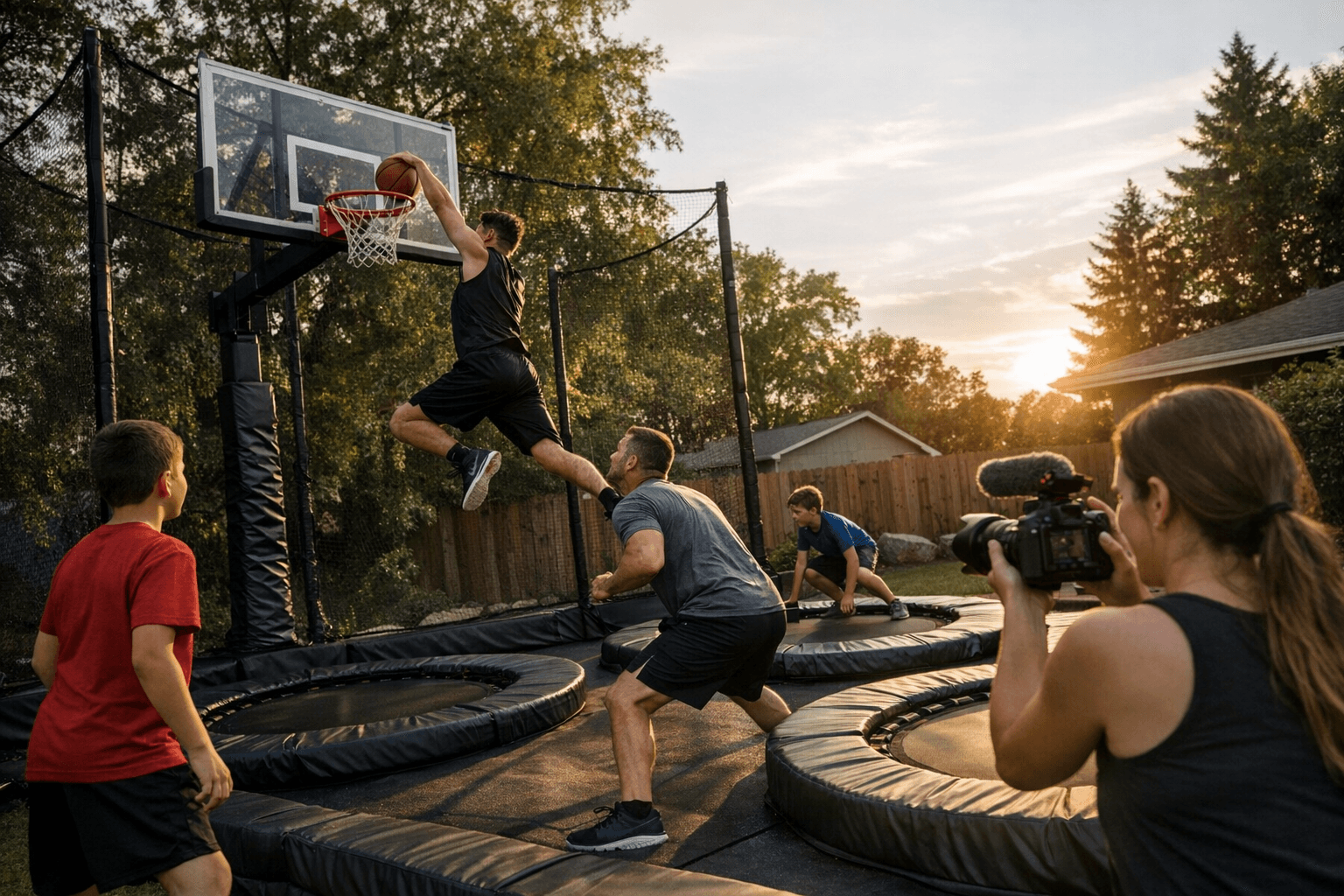
Choose minimal, versatile gear that supports training, family play, and filming: a compact rebound/play zone, lightweight safety padding, and portable net or target markers that fit a typical backyard footprint. The guide focuses on equipment selection so players can practice specific SlamBall‑style movements in a 2v2 format without needing full arena infrastructure. Aim for durable, weather‑resistant pieces that are easy to move for camera angles and short‑form video shoots; simplicity increases the chance families will play and creators will produce repeatable clips.
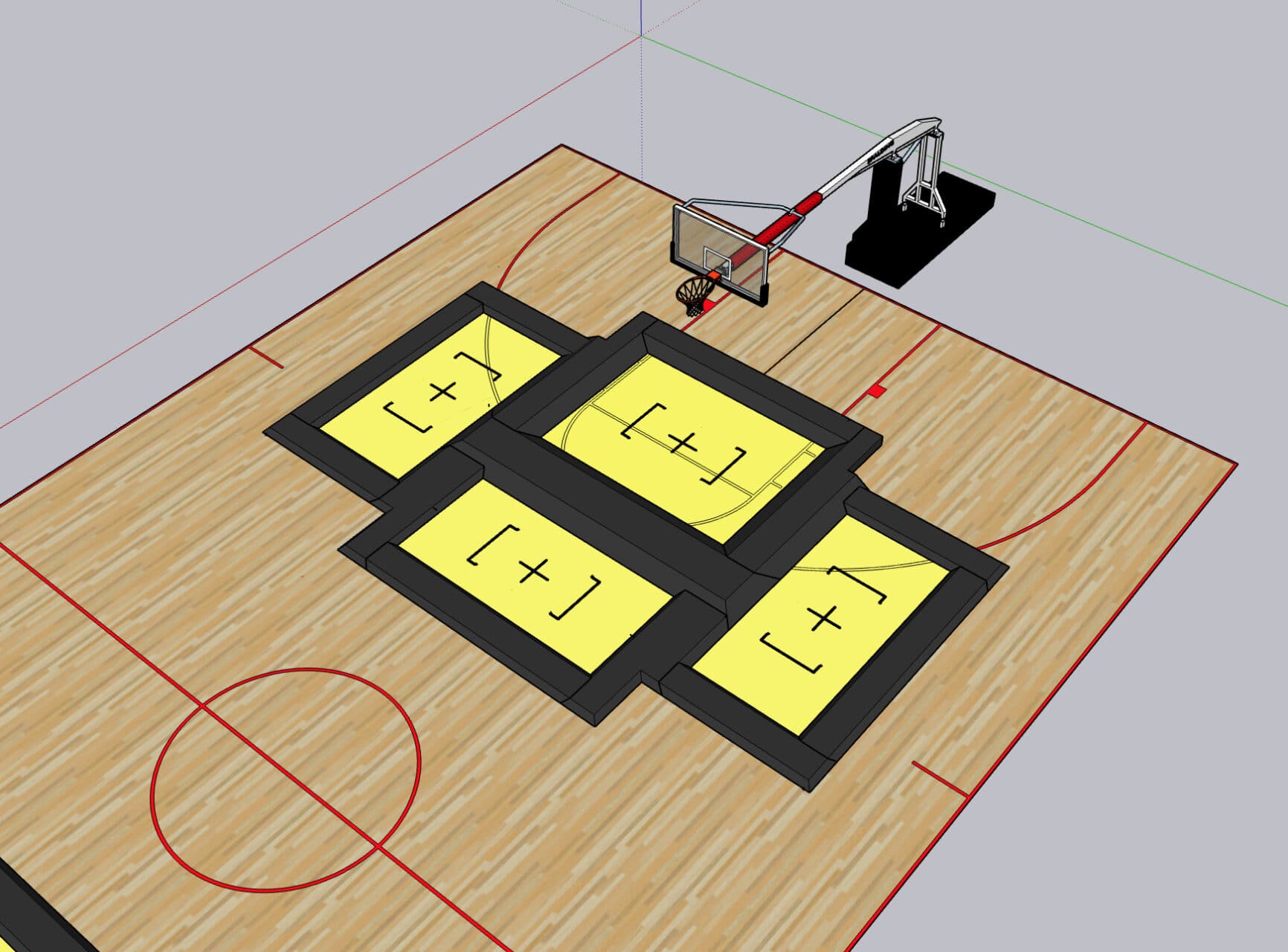
4. Court layout: compact, measurable, and neighbor‑friendly
Lay out a 2v2 court that fits yards: mark playing boundaries, placement for rebound area or trampoline substitute, and safe runoff zones for landings and dives, this keeps play predictable and reduces disputes. Use tape or removable markers to create clear zones for offense, defense, and neutral space so drills scale from warmups to live 2v2 scrimmages. Design the court with filming in mind: leave one side clear for a steady camera or phone tripod, and plan lighting and sightlines so short video assets mirror the demo clip approach that lifts engagement.
5. Progressive drills: warmups to live 2v2 play
Progress from basic movement to conditioned scrimmage in stages so players of different ages and skill levels can join safely: start with mobility and landing drills, move to passing and rebound timing, then scripted 2v2 rotations before full live play. Each stage should have measurable goals, reps, successful passes, or controlled landings, so training sessions translate into short, replayable clips for content. Progressive drills keep family play fun and educational, and they create repeatable moments coaches and creators can use for highlight reels.
6. Gear and protective essentials for families
Select protective gear that protects without intimidating family players: soft helmets, knee and elbow pads, and clip‑on ankle support that are easy to don and remove between takes. For equipment selection emphasize fit and comfort so kids and adults tolerate wearing protection during drill cycles and scrimmages; consistent use reduces injury risk and preserves the ability to film regular content. Keep spare straps and tapes on hand to fix gear quickly so sessions aren’t interrupted.
7. Neighbor, noise, and liability considerations
A backyard SlamBall‑style setup sits inside a larger social context, neighbors, noise, and household schedules matter for regular training and family scrimmage times. Minimize late‑night play, use softer rebound materials to reduce impact noise, and document safety measures to address homeowner or shared‑space concerns. Thoughtful scheduling and visible precautions improve community acceptance and protect the long‑term viability of backyard SlamBall as both family recreation and a content source.
8. Production tips: short video assets and format choices
Emphasize short video assets: record demo clips of signature plays and drills, these perform well because the winning backyard piece leveraged a demo clip, and streaming/format changes favor concise, visual content. Film key moments (successful rebounds, trick passes, safe landings) from a consistent angle for reusability and to encourage sharing, remember that 100% of readers only view without sharing, so tightly edited clips create the share hook that converts passive viewers. Keep clips under platform length norms, add captions or quick overlays that explain the drill, and save vertical and horizontal cuts for different social platforms.
9. Drills that double as shareable moments
Design at least one drill per session specifically to produce a highlight: a controlled 2v2 finishing sequence, a timed passing challenge, or a family‑friendly trick combo that demonstrates progression and safety. These drills should be rehearsable, safe, and visually clear so edits can produce a satisfying “before‑to‑after” progression clip, content that converts the passive viewer into a sharer. Pair drills with simple commentary: quick on‑screen cues or voiceovers that explain what to watch and why it matters for training or family fun.
10. Practical checklist before first session
Create a quick checklist that covers safety, setup, and production so every session is consistent: confirm padding and protective gear, check boundary markers and camera placement, rehearse the drill sequence, and test the short demo clip capture. This checklist makes backyard SlamBall reliable for daily life as training and content creation, helping families and small teams build habit and audience without expensive infrastructure. Consistency preserves player safety and produces the repeatable, platform‑friendly moments that encourage sharing.
11. Social and cultural upside: accessibility and playful community
A safe, compact backyard SlamBall 2v2 setup expands access to a sport that prizes spectacle and athleticism, enabling families and local training groups to participate without arena costs. That accessibility feeds content ecosystems, when more households film short, well‑produced clips, the cultural presence of SlamBall grows and creates new local scenes, pickup leagues, and creator opportunities. The social payoff is measurable: accessible setups increase play frequency, which improves player skills and deepens community engagement around a sport built for visual excitement.
12. Business implications and next steps for organizers
For coaches, local gyms, and small promoters, backyard‑scale setups create low‑cost touchpoints for talent identification and community programming, use them as feeder programs into formal leagues or local events. For content creators, consistent short‑form assets from backyard sessions become a content library that supports sponsorship, branded gear demos, and event promotion as the sport evolves. Treat backyard SlamBall as both training infrastructure and a content pipeline; aligning safe practice with platform‑ready clips converts passive fans into active followers and potential participants.
Conclusion A thoughtfully built backyard SlamBall‑style 2v2 setup blends safety, simple equipment selection, compact court layout, progressive drills, and short‑form production to serve training, family play and content creation. By prioritizing safety and planning for recordable, repeatable moments, the same elements that lifted the successful backyard demo clip, you turn everyday practices into sharable highlights that grow the sport, protect players, and create cultural momentum for SlamBall beyond arenas.
Know something we missed? Have a correction or additional information?
Submit a Tip