Build Guide: Creating a Victor Wembanyama Template in NBA 2K26
Learn how to build a Victor Wembanyama-style MyPLAYER in NBA 2K26 with physicals, attributes, badges, playstyle tips, and training routines for a two-way rim-dominating center.
1. Build overview and role
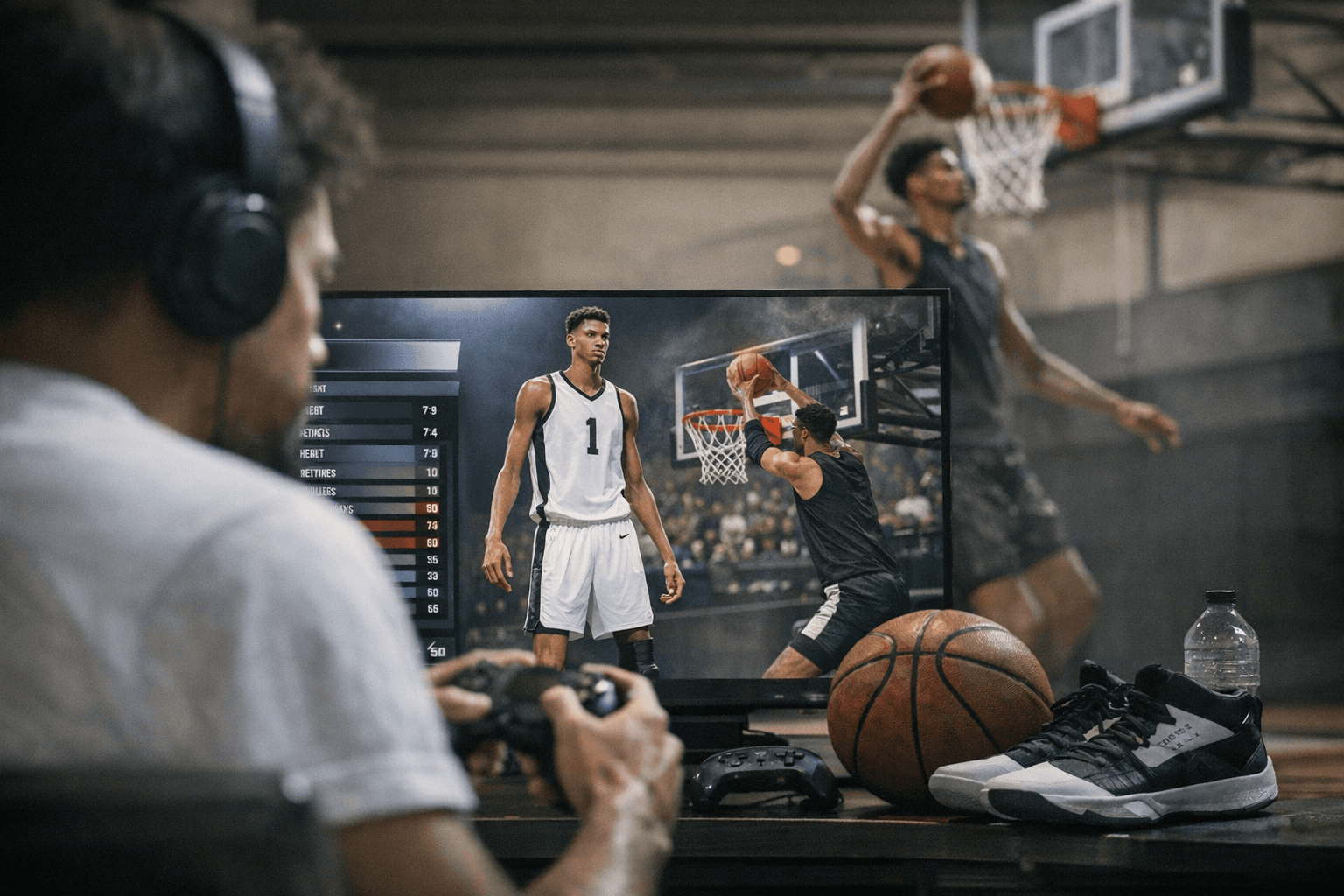
This template is a MyCAREER/MyPLAYER-focused build meant to replicate Victor Wembanyama’s two-way, rim-dominating profile in NBA 2K26. Aim for a modern big who protects the rim, stretches the defense enough to create mismatches, and acts as a primary interior finisher and facilitator when needed. The goal is reliable shot-blocking and rim finishes while retaining enough playmaking to run P&R or find cutters.
2. Position and archetype choice
Select Center (or the modern big archetype if available) to match Wembanyama’s on-court responsibilities and take full advantage of height and defensive badges. The center slot gives access to interior defensive boosts, rebounding, and pick-and-roll anchoring tools you’ll need in MyCAREER environments. Choosing modern big emphasizes mobility and passing for a big, which is essential for the mismatch-creation approach.
3. Physical settings, height, weight, wingspan trade-offs
Prioritize very tall height and maximum usable wingspan to mirror Wembanyama’s impact; however, balance wingspan with shooting/athletic penalties. A typical sweet spot is near-maximum height (7'3"–7'5") with a slightly reduced max wingspan so you keep acceptable shooting and speed attributes while retaining elite rim protection. Weight should be moderate, light enough to keep mobility for switches and P&R, but heavy enough to box out and hold positioning. Test in practice court to feel the trade-offs before locking the build.
4. Attribute priorities, finishing and interior presence
Primary finishing focus should be rim finishes, standing dunk, and contact dunk to dominate paint scoring. Invest in close-range finishing attributes so you convert pick-and-roll rolls, put-backs, and cuts at a high rate against interior defenders. Interior scoring complements your defensive value and keeps opponents honest on rotations.
5. Attribute priorities, defense and rebounding
Make interior defense and rebounding high priorities, block, interior defense IQ, and defensive rebound attributes are core to the template. These stats determine your ability to contest shots, alter attempts without fouling, and end possessions with rebounds and transition opportunities. Balance lateral quickness and defensive awareness to stay effective on switches and when guarding face-up bigs.
6. Attribute priorities, passing and playmaking for a big
Allocate attribute points to passing accuracy and vision for a big who can initiate or facilitate in P&R schemes and find shooters off drop coverage. A few solid passing attributes let you convert kick-outs and hit cutters after a roll, which increases your team value and accelerates badge progression in playmaking. You don’t need max ball-handling, but enough to avoid turnovers and exploit defensive rotations.
7. Badge recommendations, rim protection and shot-blocking
Load rim protection, intimidator, and chase-down specialist analogues to maximize your ability to shut down opponents at the rim. These badges improve timing, contest strength, and the frequency of blocks without fouling, which is the backbone of a Wemby-style defensive presence. Prioritize badge tiers that increase consistency rather than flashy single-game stats.
8. Badge recommendations, finishing and interior IQ
Equip badges that boost rim finishes, contact dunks, and interior finishing IQ to turn contested opportunities into points. Badges that enhance finishing under contact and improve post scoring make put-backs and P&R rolls reliable scoring options. Combine these with defensive badges so you stay impactful on both ends of the floor.
9. Playstyle tips, on-court spacing and movement
Stretch the floor just enough and use gravity to create spacing for drives and post-ups; your presence should alter how opponents guard the paint. Stay high or slightly off the block in certain lineups to be a lob threat and heterodox screener who can slip to open lanes. Use off-ball movement and flashing to the rim when defenders focus on your perimeter spacing.
10. Playstyle tips, pick-and-roll actions and mismatch creation
Exploit pick-and-rolls by mixing hard rolls and pop-outs; defenders who hedge or switch can create splash passes or mismatches on smaller defenders. When opponents switch, attack mismatches by either backing down smaller players or using your passing to hit open shooters. Master timing on rolls and read the defense, sometimes a delay roll or slip will bait help defenders into trapping, giving you easy finishes or kick-outs.
11. Practice and training routines to accelerate badges and attributes
Set up focused practice sessions on rim finishing, shot contests, and passing drills to speed badge progress. Use drills that simulate P&R scenarios and rebounding battles so badges tied to those actions level up quickly; consistent reps in drills and MyCOURT sessions are the fastest path. Schedule gameplay rotations that prioritize in-game actions aligned with badge upgrades (e.g., contest every shot for defensive badges, attack rim for finishing badges).
12. Progression management and community relevance
Allocate VC and attribute upgrades to maintain the template’s two-way balance, overcommitting to shooting or ball-handling early will weaken rim protection. Engage with local MyCAREER communities and pickup sessions where rim protectors get consistent defensive opportunities; your role as a two-way big is highly valued in team stacks. Share clips of highlight blocks and rim finishes to build rep in the community and attract teammates who appreciate your skill set.
The takeaway? If you want to channel Wembanyama in NBA 2K26, build for elite rim protection first, finishing second, and playmaking third, and fine-tune height/wingspan so you don’t hobble shooting or mobility. Practice the reads, lean into pick-and-roll rhythms, and level badges using targeted drills; do that and you’ll be the nightmare every guard hates guarding. Our two cents? Treat the template as a framework, tweak based on how you like to play and the teammates you run with, then lock in and have fun blocking shots and dunking on everybody.
Know something we missed? Have a correction or additional information?
Submit a Tip