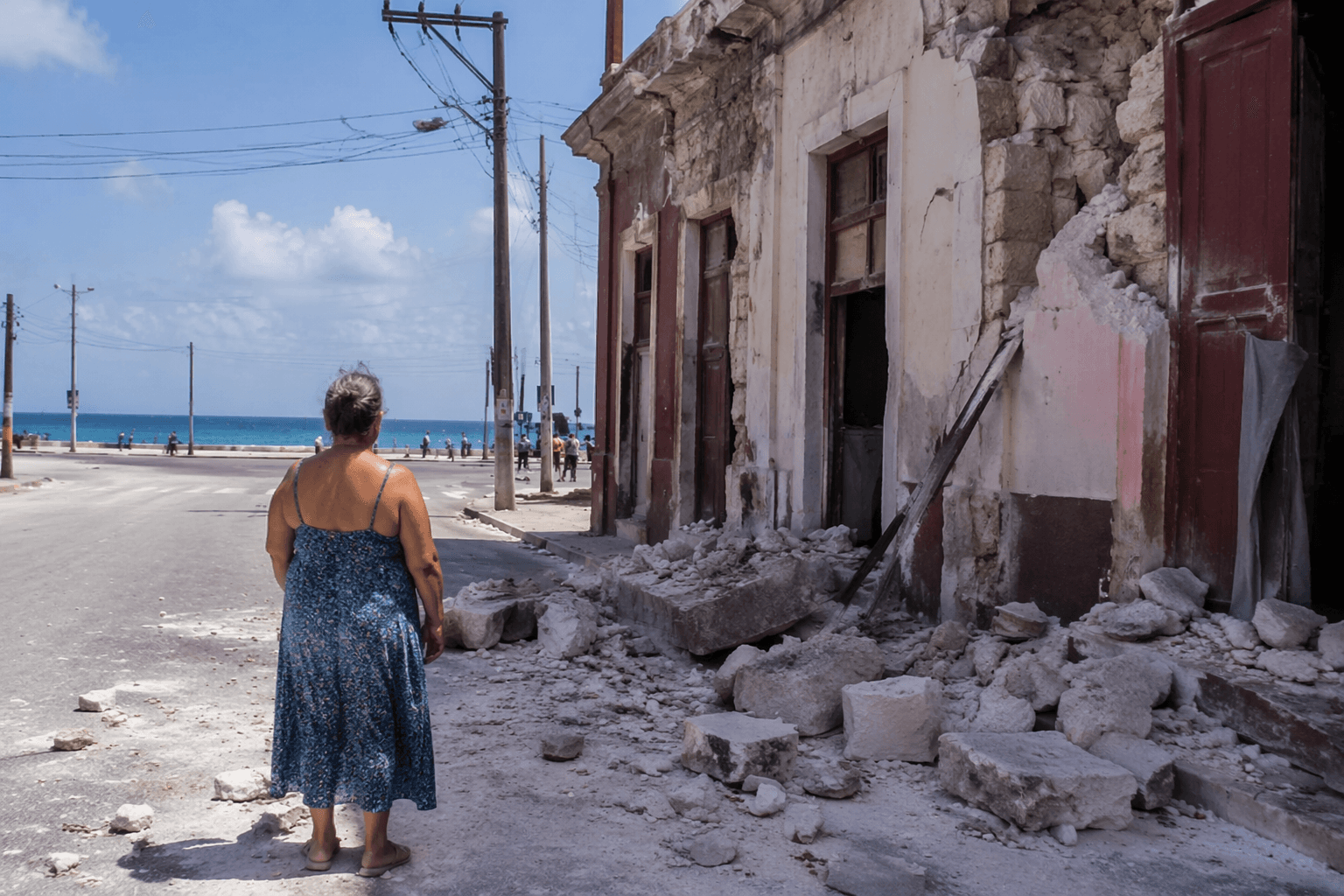
Bulgaria says it will stop sending weapons to Ukraine
Bulgaria’s new defense minister reversed course, ending arms shipments to Kyiv just months after Sofia signed a 10-year security pact with Ukraine.
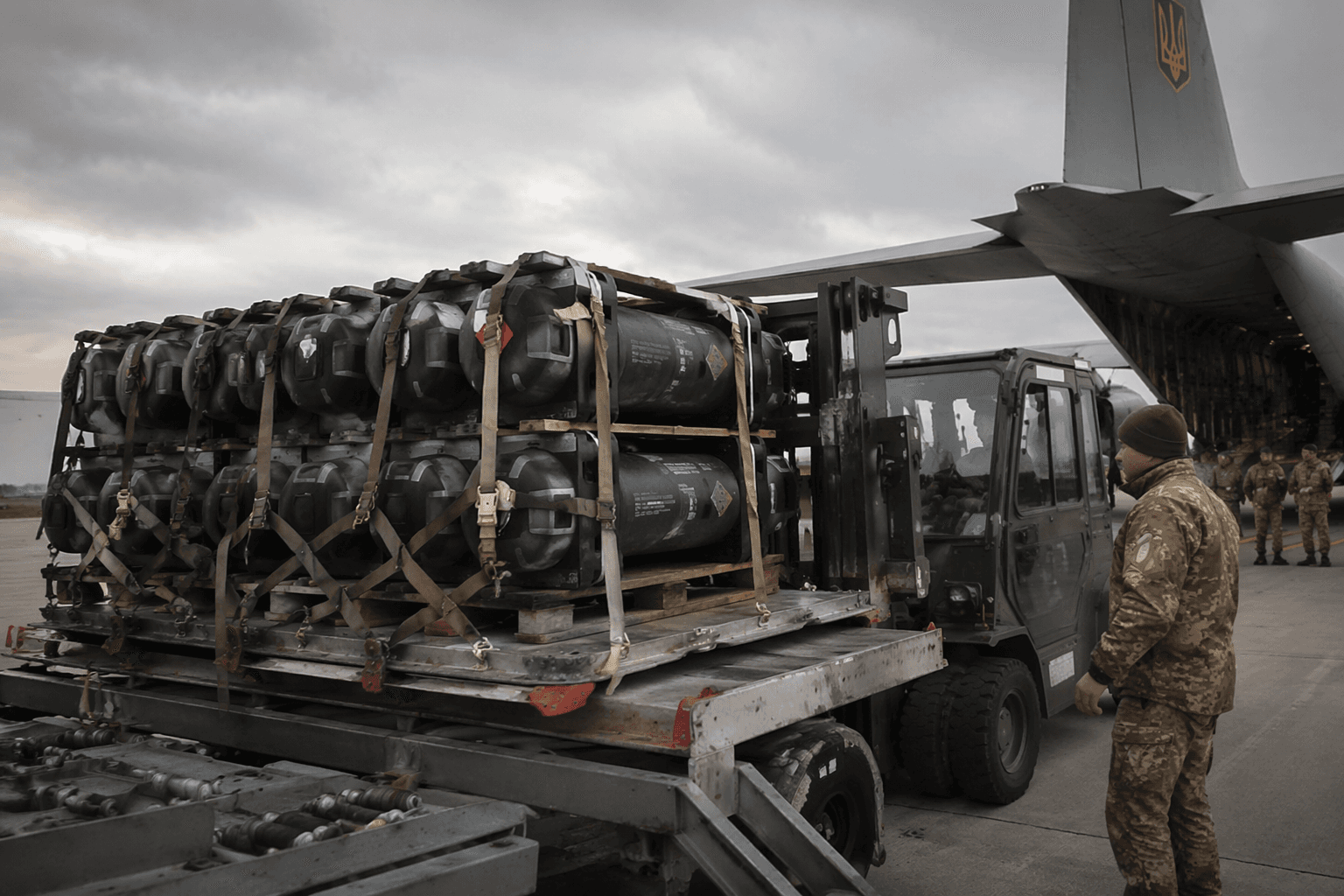
Bulgaria’s new defense minister has abruptly moved Sofia away from one of Europe’s more useful arms pipelines to Ukraine, saying the country will no longer provide weapons to Kyiv. The decision comes as the war remains a central test of NATO and European unity, and it puts Bulgaria’s role on the Black Sea back under scrutiny.
Dimitar Stoyanov said on June 9 that Bulgaria would stop sending arms to Ukraine and urged Moscow and Kyiv to sit down at the negotiating table. Bulgaria is a member of both NATO and the European Union, which gives its position outsized significance even though it is not one of Europe’s largest military powers. Its location on the Black Sea makes any change in Sofia’s stance relevant to regional security planning, supply lines and alliance signaling.
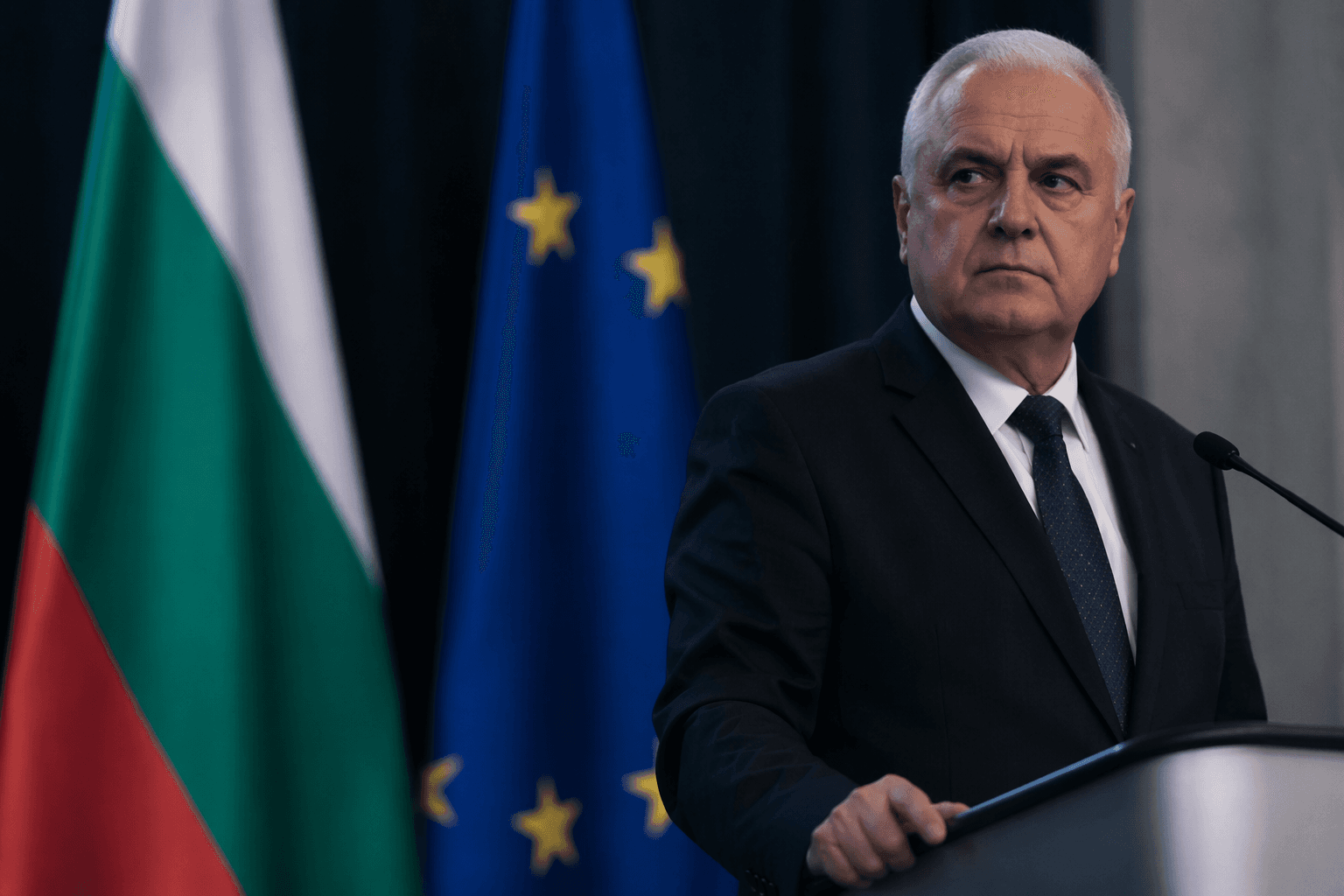
The shift is notable because Bulgaria had been supplying Ukraine with anti-tank missiles, armored vehicles, mortars, anti-aircraft guns, howitzers and infantry weapons in 2024 and 2025 after earlier hesitation. In 2022 and 2023, Bulgaria did not officially export weapons and ammunition directly to Ukraine, but arms still moved through European intermediaries, leaving Bulgarian officials unable to track where some of those exports ended up.
The June 9 declaration also sat uneasily beside a 10-year security cooperation agreement Bulgaria and Ukraine signed in Kyiv on March 30. That pact, signed during a visit by Bulgarian caretaker prime minister Andrey Gyurov alongside President Volodymyr Zelenskyy, covered joint defense production, intelligence sharing and an energy corridor intended to route up to 10 billion cubic meters of gas a year to Ukraine. Bulgarian government statements said the arrangement would continue military assistance, deepen defense-industrial cooperation and explore joint production of drones and ammunition under the EU SAFE program.
The practical stakes are easy to measure. Reports filed with the United Nations Register of Conventional Weapons showed Bulgaria’s 2025 exports listing Ukraine as the final importer for 3,000 72.5mm portable anti-tank guns, 100 7.62mm light machine guns, 100 40mm grenade launchers and 50 14.5mm anti-aircraft guns. Separate reporting has described Bulgaria as one of Ukraine’s most significant arms suppliers since Russia’s full-scale invasion in February 2022.
Whether Stoyanov’s announcement becomes a lasting policy shift or another turn in Bulgaria’s stop-start approach will depend on the coalition politics in Sofia. For NATO and EU partners, the message is more immediate: support for Ukraine can still be altered quickly by a change in domestic political mood, even among frontline states that have already helped sustain the war effort.
This article was produced by Prism’s automated news system from verified source data, official records, and press releases, then run through automated quality and moderation checks before publishing. The system is built and supervised by the people who set the standards it runs under. Read our full AI policy.
Know something we missed? Have a correction or additional information?
Submit a Tip