Buncombe Officials Defend DEI Practices After NC House Committee Questions
Amanda Edwards and county attorney Kurt Euler went to Raleigh on Feb. 11 to “correct the record” after Asheville lawyer Ruth Smith told a House committee the county’s equity work unlawfully favors Black residents.

Amanda Edwards, Buncombe County Board chair, and county attorney Kurt Euler traveled to the North Carolina Legislative Building in Raleigh on Feb. 11 to rebut testimony that Buncombe County and the City of Asheville use diversity, equity, and inclusion policies to favor Black residents. “We are here to correct the record and any misinterpretations,” Edwards told the House Select Committee on Government Efficiency as she and Euler responded to allegations first put before the committee on Jan. 7.
The allegations stem from testimony by Asheville attorney and unsuccessful Republican legislative candidate Ruth Smith on Jan. 7, when she told lawmakers the county and city were using “equity” to allocate resources based on race. Smith cited the 2021 Buncombe Racial Equity Action Plan, internships and scholarships she said excluded white and Asian students, and programs she called discriminatory by proxy. “I want to say clearly that I am not saying that race is not a problem in America, it’s not a problem in Buncombe County. What I’m looking at is whether or not the remedies that Buncombe County and the city of Asheville are taking are constitutional or in violation of law,” Smith testified.
Edwards and Euler disputed Smith’s characterizations at the Feb. 11 hearing. Edwards told the committee, “There have been no instances where race-based criteria or other protected characteristics have been used in any of our work, including hiring contracts or allocations of revenue.” Euler explained the Community Reparations Commission was formed after George Floyd’s death to gather information and examine historical practices such as redlining and urban renewal, and that the CRC’s findings were recommendations that the county “has taken no action on them, nor does it intend to.”
Smith pointed to several local programs in her Jan. 7 testimony. She said Buncombe County Justice Partners, a summer internship program for high school students funded by the Buncombe County Bar and the City of Asheville and held at the Buncombe County Courthouse on state property, “exclusively excluded white and Asian students.” She also cited the City of Asheville Black Scholarship Fund, saying the program reallocated $500,000 from a class-action lawsuit over illegal water fees to establish scholarships administered by the Asheville Schools Foundation; Smith said the student scholarship was redrafted to include all high school students after a lawsuit, while a scholarship for Black teachers remained. Smith additionally named Isaac Coleman Grants and small business relief grants as programs she believes amounted to discrimination “by proxy.”
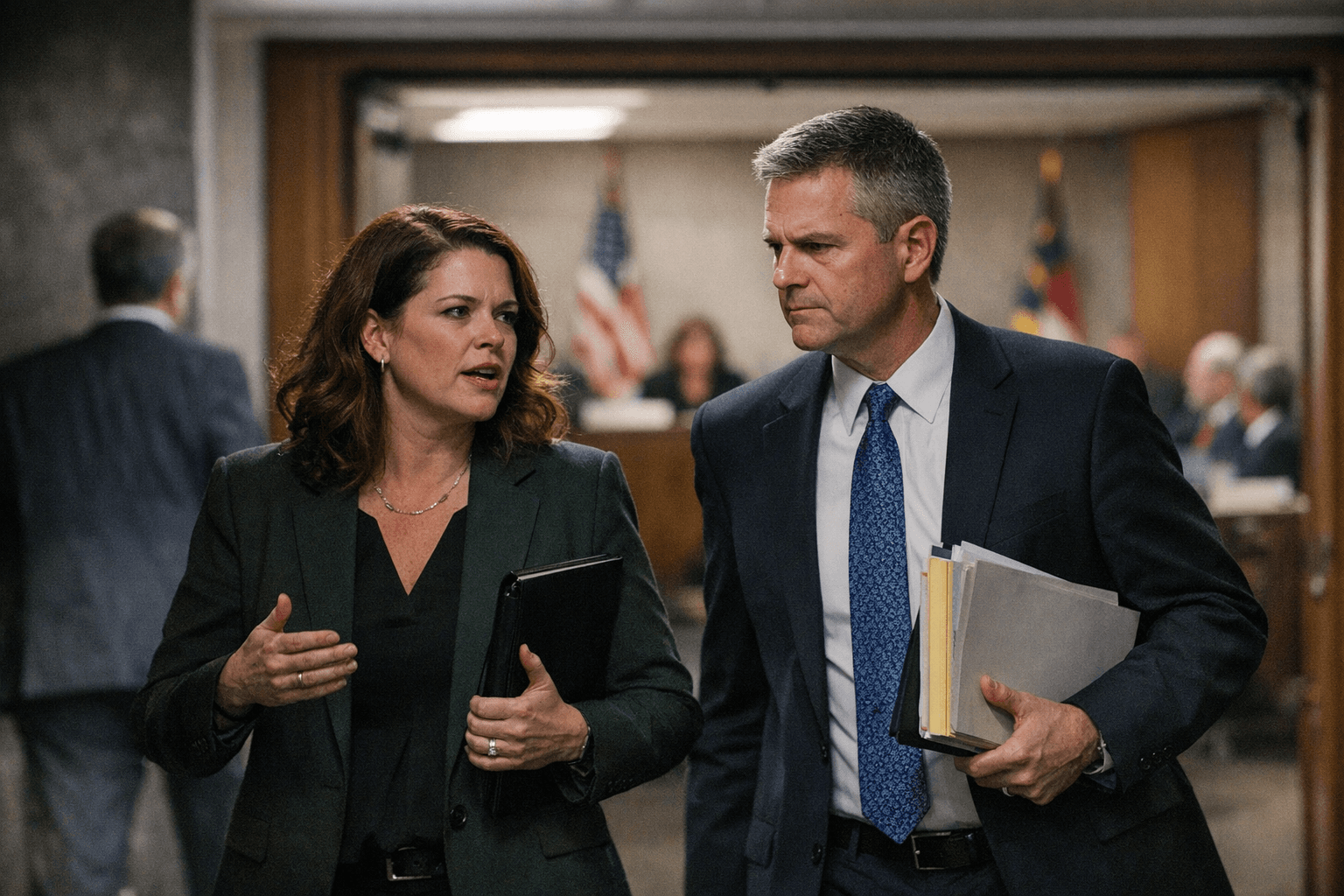
Lawmakers on the committee pressed both sides. Rep. John Torbett, pictured leading the committee on Feb. 11, oversaw the session where Rep. Phil Rubin warned of persistent disparities in Buncombe County, noting that the poverty rate is “2 ½ times higher for Black Buncombe residents versus white residents” and that “the infant mortality rate for Black infants in Buncombe is also 2 ½ times that of white infants.” Rubin urged the panel to focus on those disparities: “How can we get it to be that infant mortality isn’t so different by race across the state? Because that reflects poorly on us, and it is not getting better.” Rep. Brian Echevarria also questioned Smith during her January testimony.
The controversy also overlaps with litigation filed in federal court. A separate complaint by “Horton” was filed Feb. 2 in the U.S. District Court for the Western District of North Carolina, alleging that after Horton was elected to the Buncombe board, the county suspended funding for five adult care homes she operated through Living Waters Enterprises and that Board Chair Amanda Edwards suggested Horton should resign so the fight over funding would “all go away.” Horton seeks unspecified compensatory and punitive damages and a declaration that county actions violated state and federal law; the case is assigned to District Judge Max Cogburn and Magistrate Judge W. Carleton Metcalf. Edwards and county spokesperson Lillian Govus declined to comment on the active legal matter; Edwards previously told Asheville Watchdog she “never had a discussion of that nature” with Horton.
The dispute remains unresolved: county leaders told the Raleigh committee they have not implemented race-based criteria, advocates and lawmakers cite stark racial disparities in poverty and infant mortality, and litigation and oversight warnings persist. “My office will be closely monitoring your actions,” Dhillon wrote in a warning quoted by Carolina Journal. “To the extent these recommendations are formally adopted, you are now on notice that my office stands ready to investigate and enforce violations of federal civil rights laws to the fullest extent possible.”
Know something we missed? Have a correction or additional information?
Submit a Tip