Bunnings launches flat-pack pod homes from $26,000 amid housing squeeze
Bunnings is retailing Elsewhere Pods' flat-pack pod homes online and via Special Orders, offering 2.7m x 2.4m units from A$26,100 and faster, lower-cost backyard options.
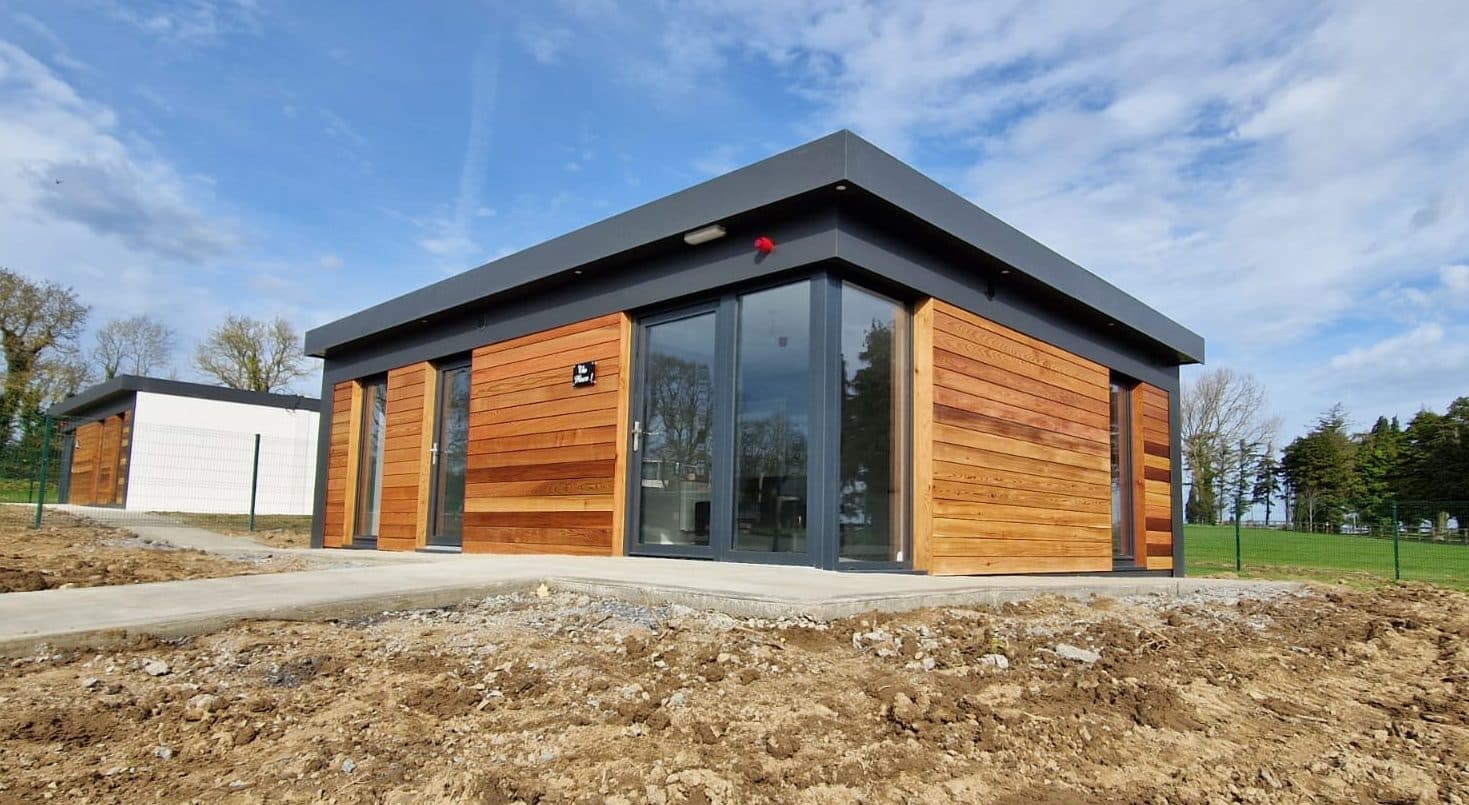
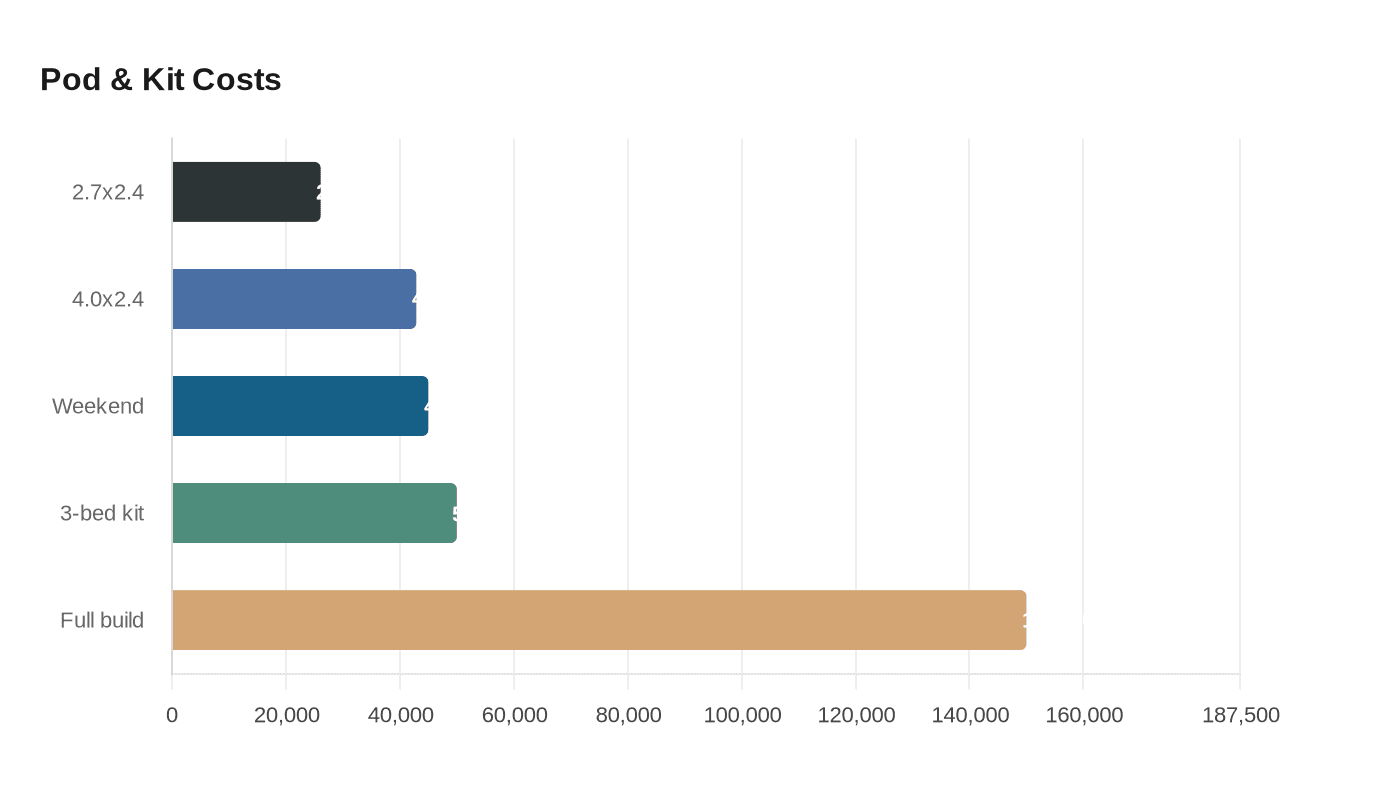
Bunnings Warehouse has partnered with Melbourne start-up Elsewhere Pods to sell compact flat-pack pod homes through its website and in-store Special Orders desk, listing a 2.7 m x 2.4 m pod for A$26,100 and a 4.0 m x 2.4 m studio for A$42,900. Bunnings positions the units as a DIY-friendly way to add living space for crisis accommodation, home offices, teenage retreats or short-stay rentals.
The pods arrive as flat packs with pre-fabricated panels, insulation and eaves; the company says they can be locked and made waterproof. Bunnings claims the units can be assembled in as little as two days, while Elsewhere Pods also points to factory prefabrication lead times that can be as short as 12 weeks. One report has used a $45,000 figure to describe an "over a weekend" backyard build; the retail listing prices for the two models remain A$26,100 and A$42,900, with many headlines rounding the entry price to $26,000.
Regulatory flexibility is central to the pitch. Elsewhere Pods founder Matt Decarne said the subset of designs being offered through the retailer were standardised for simplicity and limited to models that do not trigger building permits. "Many tiny homes, including some of our designs, don't trigger planning or building approvals, which is a huge drawcard," Decarne said, while also noting that this can depend on local council rules. Bunnings chief operating officer Ryan Baker described the products as cost-effective additions: "They provide an affordable way for customers to add functional space to their homes."
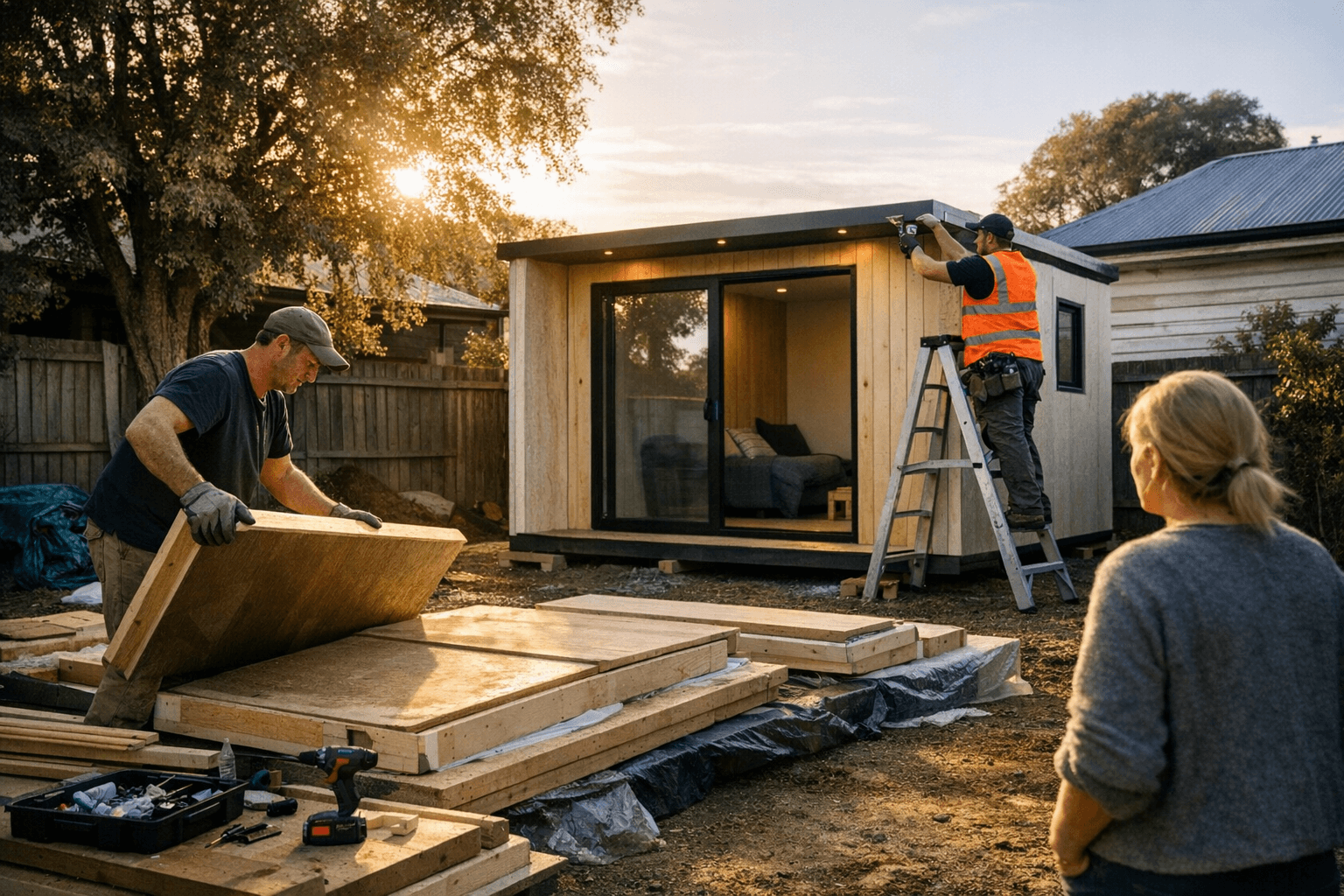
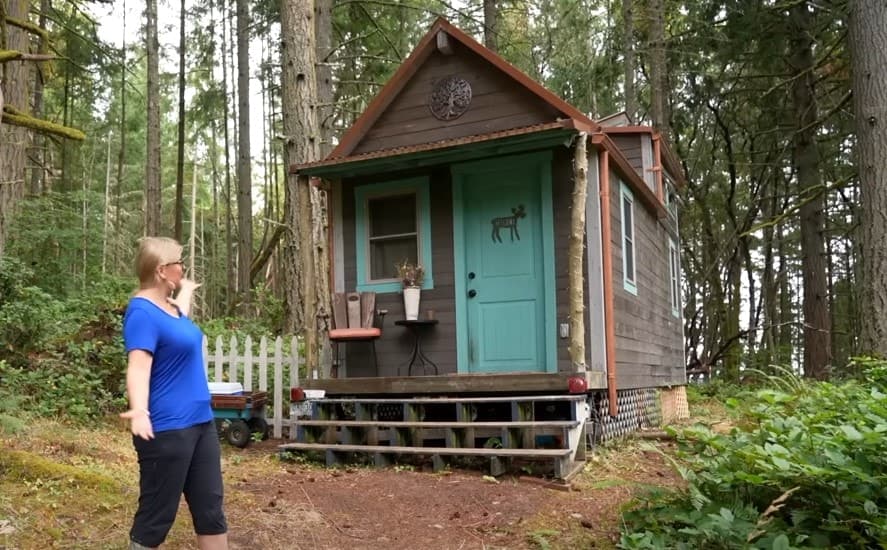
Buyers are already using pod-style builds in varied ways. Elsewhere Pods reported that 40 per cent of its sales before the retail deal were to Airbnb investors seeking extra income from regional properties. The tiny-house movement has produced some notable examples, including a Class 1A-approved micro dwelling in Bright, Victoria, and a Sydney couple, Chris and Beau, who bought a three-bedroom kit home for just over $50,000 and aim to finish the full build for around $150,000 as an illustration of the kit-home trend.
Industry context underscores why retailers and lenders are paying attention. Modular flat-pack builds are projected to grow by about 7 per cent per year to reach A$18 billion by 2030, lenders including major banks have been warming to prefab construction, and the Australian Tiny House Association estimates more than 10,000 people now live in tiny homes or pods nationwide. Federal housing targets aim to deliver 1.2 million new homes by 2029, though forecasts point to a potential shortfall of several hundred thousand.
For readers considering a pod, the practical next steps are straightforward: check local planning rules for your council because permit requirements vary, confirm delivery and installation costs and timelines with the retailer, and factor in site preparation and services such as power and sewage. Bunnings' move makes flat-pack pods a mainstream backyard option, but actual savings and speed depend on local approvals, site work and whether you tackle assembly as a DIY project or hire trades.
Know something we missed? Have a correction or additional information?
Submit a Tip