Burnham leadership challenge could demote Rachel Reeves in Labour shake-up
Rachel Reeves could be pushed aside if Andy Burnham turns his Makerfield win into a Labour leadership challenge, signaling a harder line on taxes and spending.

Rachel Reeves could be offered a more junior cabinet role if Andy Burnham converts his Makerfield victory into a full challenge for Labour’s leadership. The move would not just reorder personalities; it would be an early test of whether a Burnham-led government would keep Rachel Reeves’ fiscal approach or pivot to a more aggressive stance on tax and spending.
Reeves has been Chancellor of the Exchequer since 5 July 2024 and became the first woman to hold the office in its 708-year history. She is also the MP for Leeds West and Pudsey, and has been central to Labour’s economic message since the 2024 election. Removing her from the Treasury would therefore be one of the clearest possible signals that Keir Starmer’s economic line was being rewritten rather than merely refreshed.
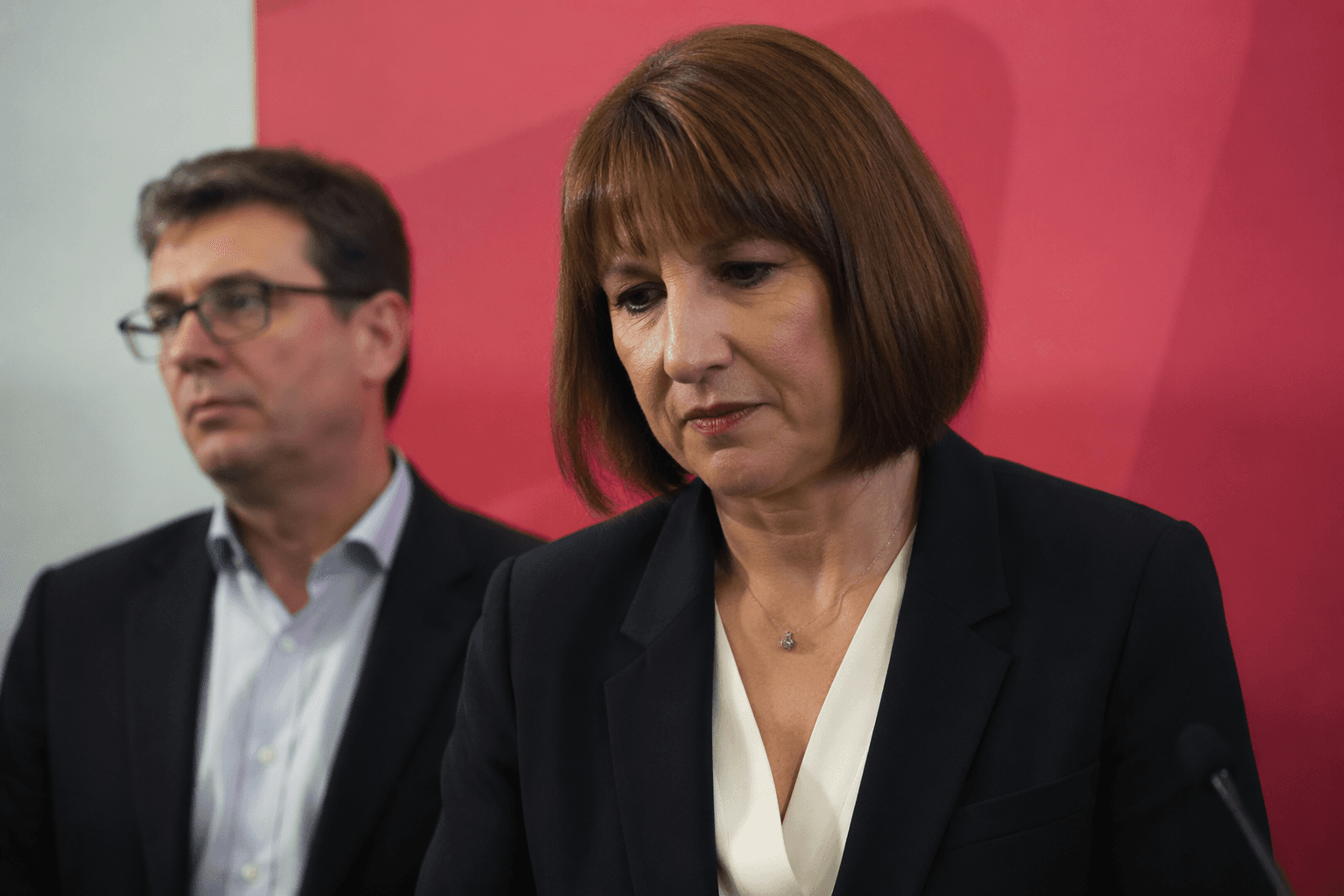
Burnham’s own route back into the national picture gives the challenge added weight. He served as mayor of Greater Manchester from 2017 to 2026, previously represented Leigh in the House of Commons, and was Health Secretary under Gordon Brown. After winning the Makerfield seat in June 2026, he was in position to challenge Starmer for the Labour leadership and was already drawing up his own team.
The economic implications are sharper still. Burnham has previously said Labour had been “too timid” on tax rises, arguing that further rises should be considered to cut the deficit. That puts him at odds with the Treasury orthodoxy Reeves has embodied since taking office, and suggests that any replacement would reflect a substantive change in fiscal policy, not a routine reshuffle.
The fallout would also reach deep into Labour’s internal balance of power. A Burnham rise would strengthen the party’s northern base against Westminster, while raising immediate questions about which Starmer-era cabinet figures would stay in place, which would be shifted sideways, and which would be removed altogether. In that sense, Reeves’ fate would be more than a personnel decision. It would show whether Labour was moving toward continuity at the top, or toward a new economic coalition built around Burnham’s more interventionist instincts.
This article was produced by Prism’s automated news system from verified source data, official records, and press releases, then run through automated quality and moderation checks before publishing. The system is built and supervised by the people who set the standards it runs under. Read our full AI policy.
Know something we missed? Have a correction or additional information?
Submit a Tip