Burnham rejects Blair's radical centre push, cites inequality
Burnham used Blair's call for a radical centre to argue Labour had ignored inequality for 40 years, sharpening a fight over the party's future.
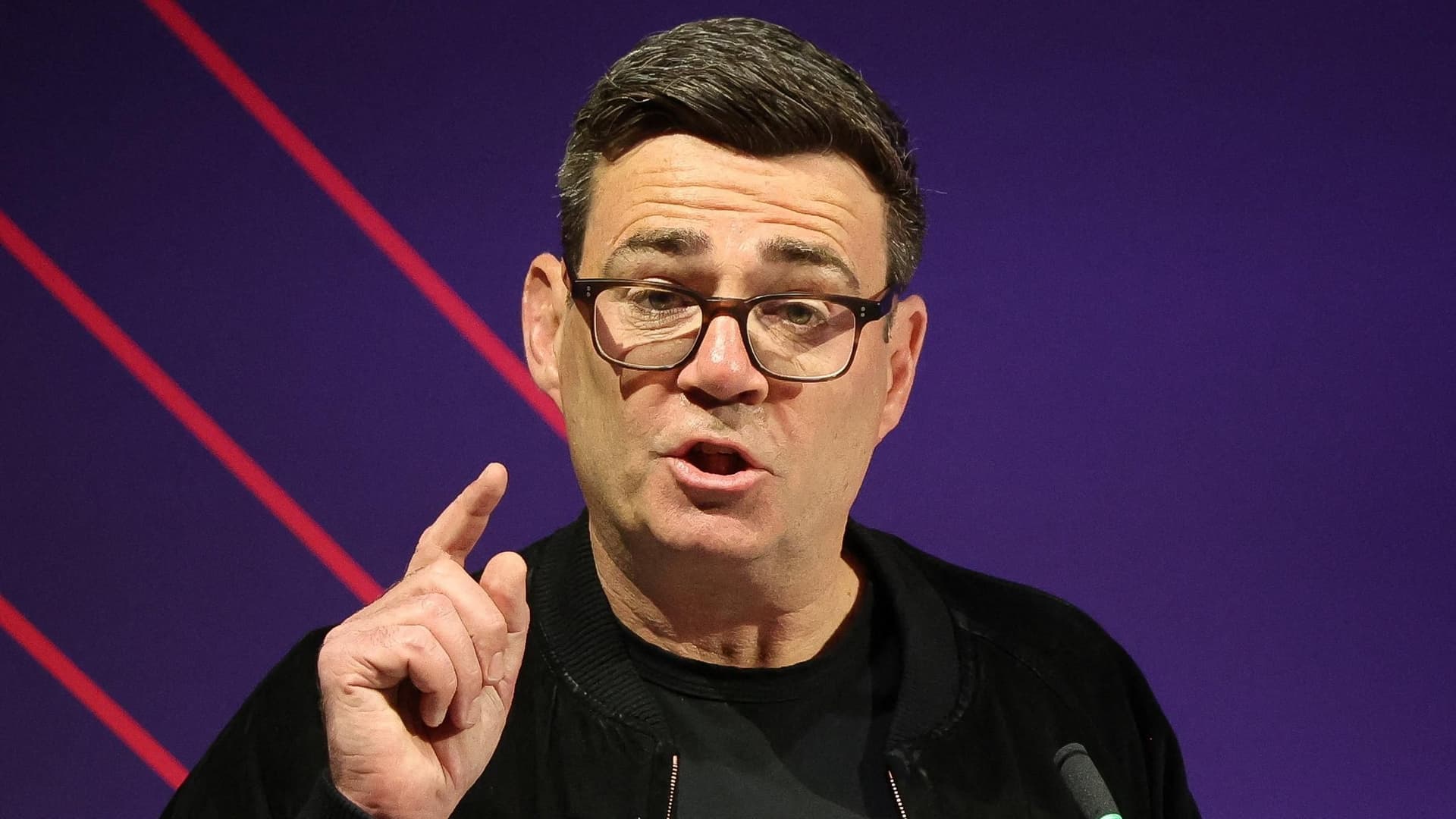
Andy Burnham has turned Tony Blair’s latest intervention into a wider argument about Labour’s identity, rejecting the former prime minister’s appeal to the “radical centre” and insisting that inequality, not triangulation, is the real political fault line. Burnham, Labour’s candidate for the Makerfield by-election, said Blair did not mention inequality and argued that four decades of widening gaps in income and opportunity had pushed voters away from the political centre and toward Reform UK and Nigel Farage.
Blair’s essay, published on May 27, 2026, urged Labour to avoid a shift to the left and instead occupy a reimagined centre ground. He also criticised the party’s net zero policy, its employment rights agenda and the minimum wage rise, and said Labour needed a coherent plan rather than a personality contest. Blair said he hoped Burnham would win Makerfield and return to Parliament, but argued that leadership hopefuls should first set out detailed policy positions before any change in leader.

The clash matters because Burnham is already being read in Westminster as a possible future Labour leadership challenger if he wins the seat. His candidacy comes before a by-election expected on June 18, 2026, after the resignation of Josh Simons, who had been elected Labour MP for Makerfield in 2024. Under the current rules of the contest, Burnham is trying to present electability through the lens of cost-of-living pressure and regional fairness, not through the Blairite formula of capturing floating voters at the centre.

Makerfield gives that argument a hard electoral backdrop. The seat has been held continuously by Labour since it was created in 1983, but Simons won it in 2024 with a majority of 5,399 and 45% of the vote. Reform UK finished second on 32%, making the constituency a Labour-Reform marginal and giving Burnham’s pitch about inequality and economic insecurity immediate political relevance.
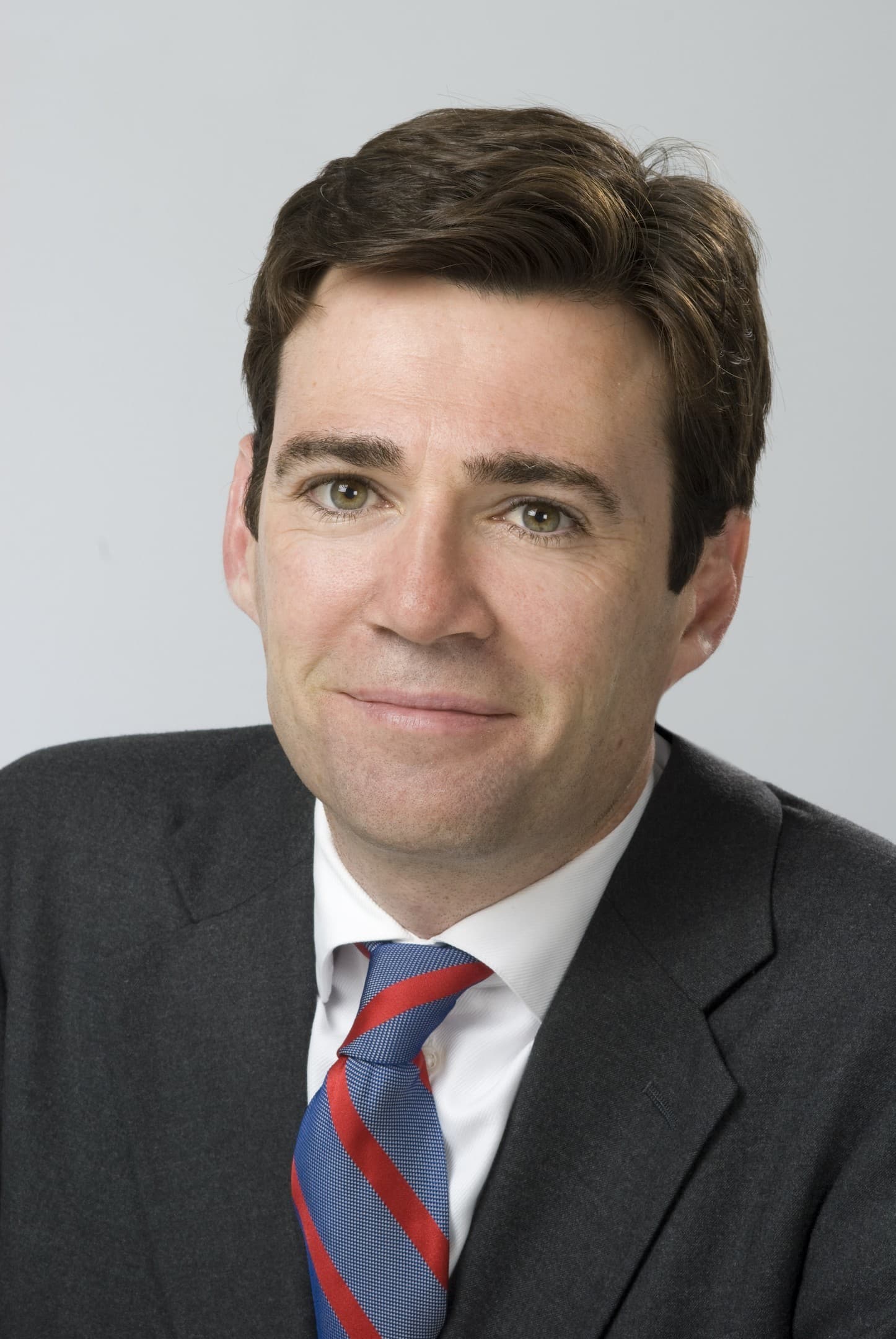
For Labour, the dispute is bigger than one by-election. Blair’s message was that the party should stay disciplined, avoid ideological drift and sharpen its governing offer. Burnham’s response suggested something different: that Labour cannot secure its next electoral test by relying on old centre-ground instincts alone if voters continue to feel the squeeze from rising inequality, stagnant prospects and a political system that has left places like Makerfield open to Reform’s appeal.
This article was produced by Prism’s automated news system from verified source data, official records, and press releases, then run through automated quality and moderation checks before publishing. The system is built and supervised by the people who set the standards it runs under. Read our full AI policy.
Did this article answer your question?

