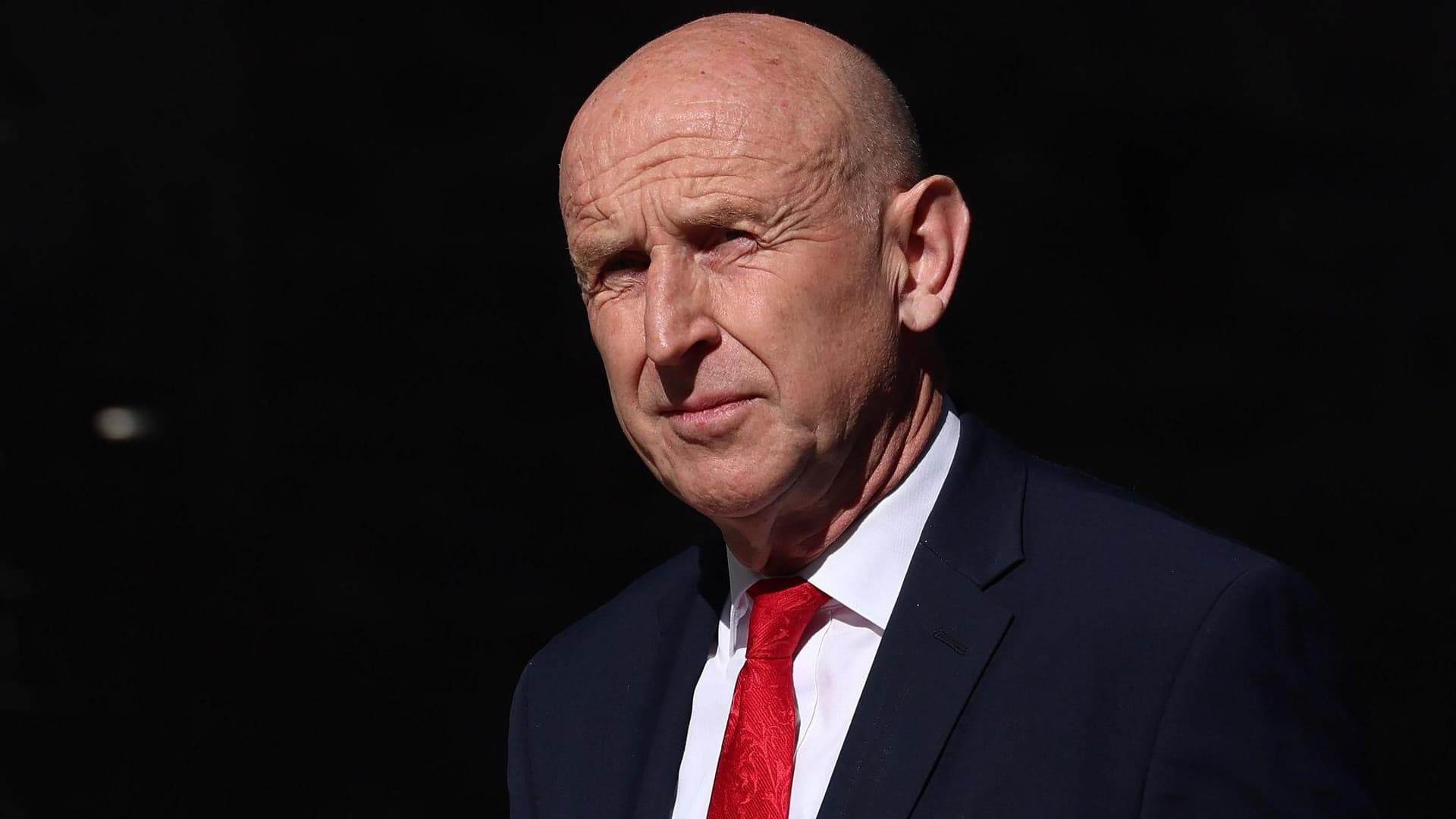
Burnham sticks to fiscal rules as markets watch borrowing plans
Burnham kept Britain’s borrowing rules in place as 10-year borrowing costs briefly hit 5.13% and May borrowing came in at £23.3bn.

Andy Burnham has committed to sticking to Britain’s existing borrowing limits after suggesting he might change them, including a possible exemption for rises in defence spending. The shift comes as gilt markets are already testing the new government’s plans, with the effective interest rate on 10-year borrowing briefly reaching 5.13% and May government borrowing hitting £23.3bn.
Debt interest spending has nearly doubled compared with the average over the previous two decades and is forecast to remain at twice the level it was before the pandemic, the Institute for Fiscal Studies says. It also says the UK is spending around 6% of national income more than it did just before the pandemic or on the eve of the global financial crisis, and that public spending would still be around 3% of national income above its 2019-20 level in 2028-29 even on current plans.

Burnham’s first speech as prime minister promised people more “breathing space” on the cost of living, and policy announcements were expected on Tuesday, his first full day in office. But the room to finance new pledges is narrow because the main rates of income tax, national insurance and VAT are not expected to rise, limiting the most obvious ways to raise revenue.
That leaves the next round of choices to fall on spending priorities and smaller tax changes, with defence one area Burnham had already flagged as a possible exception to the rules. The Office for Budget Responsibility said May borrowing was £5.6bn higher than it had forecast, adding to the pressure on a Treasury already facing higher debt interest bills.
This article was produced by Prism’s automated news system from verified source data, official records, and press releases, then run through automated quality and moderation checks before publishing. The system is built and supervised by the people who set the standards it runs under. Read our full AI policy.
Did this article answer your question?