Burnham urges overhaul of youth training as AI reshapes jobs
Andy Burnham called for technical training to match local jobs as AI squeezes entry-level work, putting youth apprenticeships back at the center of policy.

Andy Burnham used a July 28 policy intervention to call for a reset of youth training in Britain, arguing that technical education for young people should be aligned with local employment needs as artificial intelligence reshapes the labor market. The move put school leavers and graduates at the center of a wider fight over how fast government can adapt when automation changes the first rung of the jobs ladder.
The immediate policy question is not just whether AI will destroy jobs, but which entry-level roles will disappear first and what will replace them. Burnham’s approach points toward a training model built around closer coordination between employers, schools, colleges and public agencies, so young people are prepared for jobs that are still being created in data, machine tools, software workflows, health technologies, logistics and specialized services.

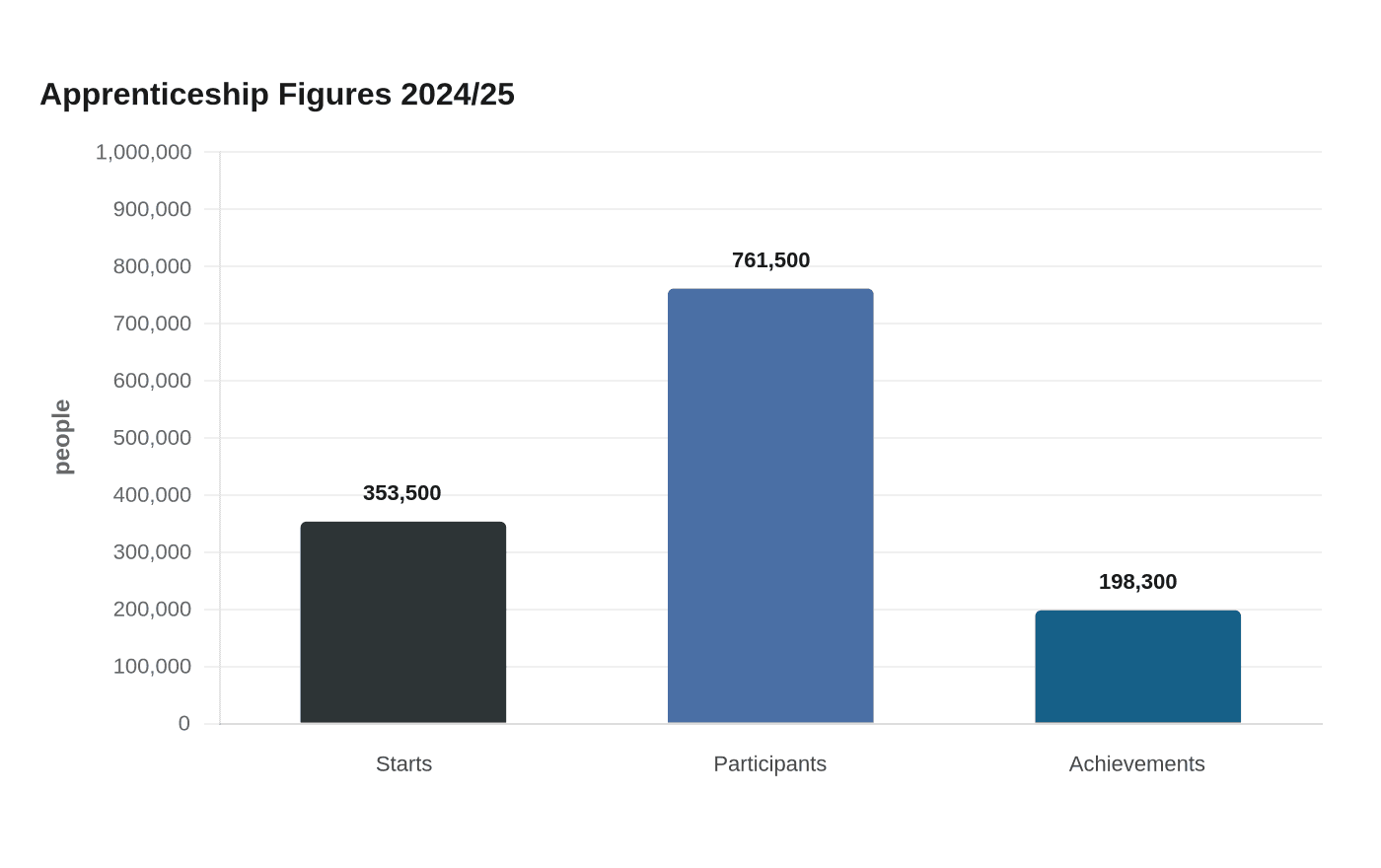
The scale of the existing system shows how much is already at stake. In England in 2024/25, there were 353,500 apprenticeship starts, 761,500 people participating in an apprenticeship and 198,300 apprenticeship achievements, according to the House of Commons Library. Any overhaul would have to work through that system, not around it, if it is to change how young workers move into employment.
Westminster has been debating the impact of AI on jobs for more than three years. A House of Commons Library briefing says a Westminster Hall debate on the potential impact of artificial intelligence on the labour market was held on April 26, 2023, underscoring that the policy argument predates Burnham’s intervention. The same library’s youth unemployment statistics briefing tracks youth unemployment, employment and inactivity in the UK, including data for March to May 2026, reflecting the political pressure around the issue.
The government has already started moving in the same direction. In September 2024, Skills England said it would help address skills shortages, respond to accelerated AI adoption, support young people’s employability skills and build a more responsive, locally integrated skills system. Since July 2024, the Commons Library says ministers have launched Skills England, introduced foundation apprenticeships, announced changes to level 7 apprenticeship funding and set out plans to replace the apprenticeship levy with a growth and skills levy.
Ministers have also published an entry-level jobs support, AI bootcamps and tech training announcement, tying young people’s job prospects directly to AI-specific training. Burnham’s intervention places those reforms inside a broader political choice: whether Britain uses the disruption from AI to hard-wire local labor-market demand into training, or keeps relying on a system that has often moved more slowly than the jobs market around it.
This article was produced by Prism’s automated news system from verified source data, official records, and press releases, then run through automated quality and moderation checks before publishing. The system is built and supervised by the people who set the standards it runs under. Read our full AI policy.
Did this article answer your question?