Burnham wins Makerfield by-election, signals challenge to Starmer
Andy Burnham turned Makerfield into a warning shot for Labour, winning by 9,231 votes and telling the party it had a “final chance to change.”
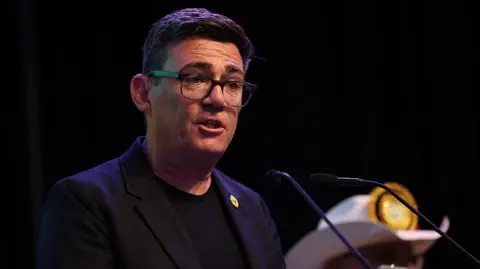
Andy Burnham turned a new and closely watched Westminster seat into a stage for Labour’s internal battle, beating Reform UK’s Robert Kenyon by 9,231 votes and using his victory speech to warn that the party was running out of time with disillusioned voters. In Makerfield, a constituency created in the 2023 boundary review and first fought at the 4 July 2024 general election, Burnham’s margin was far larger than Labour’s 2024 hold, when Josh Simons won by 5,399 on a turnout of 52.5%.
Burnham cast the result as more than a local win. He told supporters that politics was “not working” and said Labour had a “final chance to change,” adding that there would be “no second chance.” He also said the mood on “hundreds of doorsteps” showed why the result mattered, and argued that Makerfield should be a “Makerfield test at the heart of British politics” so neglected places could get fairness. His line that “tonight could, just could, be the turning point” was aimed as much at party leaders as at voters who have drifted away from Labour.
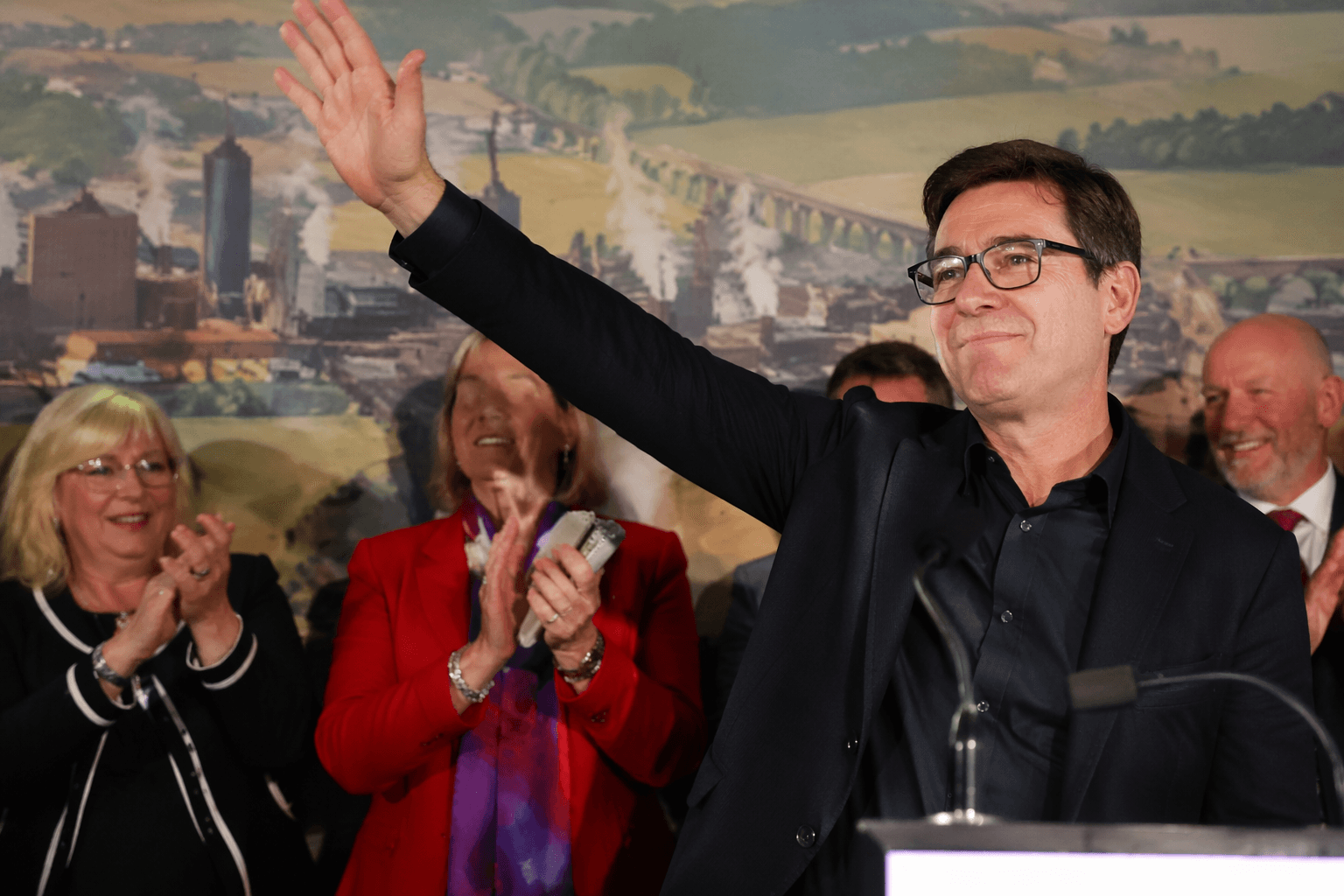
The scale of the result matters because Burnham did not return to Westminster quietly. He gave up the Greater Manchester mayoralty to take the seat and re-enter the Commons, a move widely read as preparation for a leadership challenge to Keir Starmer. Burnham said the seat would not be a stepping stone but a “touchstone,” underlining that his political project is about influence inside Labour, not just a single by-election win.
Reaction inside the party was immediate. Cabinet minister Lisa Nandy said she wanted Burnham “back at the top table,” a sign that some senior figures are already thinking about how his return changes the balance of power in Westminster. Starmer has said he will fight any challenge, and Burnham’s victory will only sharpen scrutiny of Labour MPs and cabinet ministers over whether they would back a move against the leader.
The result also landed against a broader political backdrop that has favoured Reform UK in many contests. Burnham’s comfortable win, and Labour’s 9.61 percentage point increase in vote share compared with 2024, suggests the party can still rally local support in parts of the North West. But it also shows the pressure on Labour to prove that a bigger majority in one seat can translate into stronger national credibility before voter patience runs out.
This article was produced by Prism’s automated news system from verified source data, official records, and press releases, then run through automated quality and moderation checks before publishing. The system is built and supervised by the people who set the standards it runs under. Read our full AI policy.
Know something we missed? Have a correction or additional information?
Submit a Tip