Burnham’s team takes shape as questions linger over his agenda
Secret talks with Andy Burnham have sharpened Labour succession talk. The bigger test is whether he can build a No 10 team that calms markets and still drives his regional agenda.
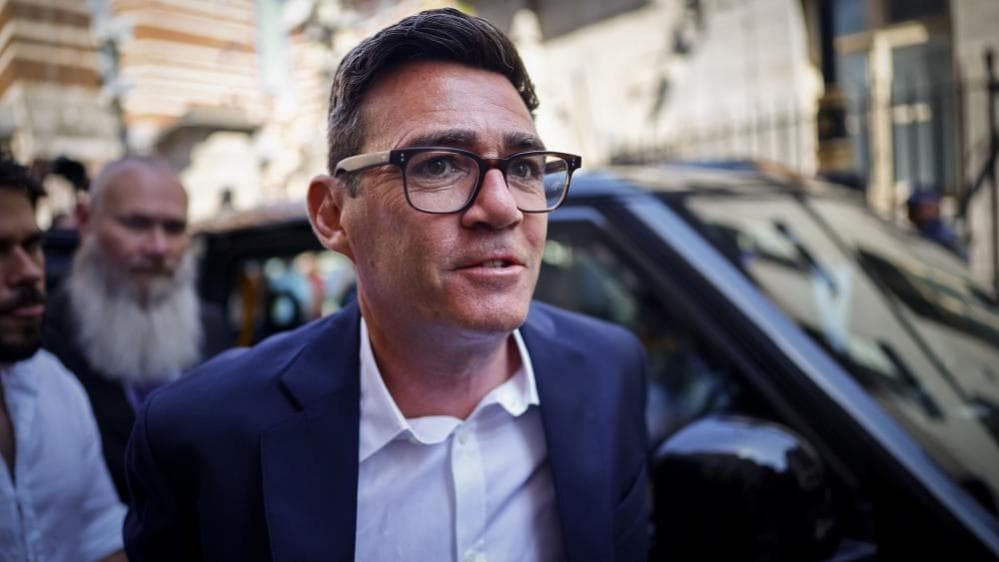
Keir Starmer’s resignation and Labour’s leadership turmoil have put Andy Burnham at the centre of succession talk, after secret talks between the two and a civil service already allowed to prepare for a successor. The immediate question around Burnham is not just whether he can reach Downing Street, but what kind of operation he would build there, who he would trust as chief of staff and senior advisers, and whether he can convince investors that a Burnham government would keep fiscal discipline.
Burnham has spent since 2017 as mayor of Greater Manchester, and he has twice failed in bids to lead Labour, losing in 2010 and 2015. His governing style has been shaped by the powers that come with Greater Manchester’s devolution deals, which give the mayor influence over transport, skills, housing, regeneration, business support and finance. The trailblazer deal, signed on 21 March 2023, widened that reach further, handing over more authority on transport, business support, employment and skills support, policing, spatial planning and housing investment.

That record has given Burnham a concrete case study in how he might run a national government. The Bee Network, his flagship bus reform, was delivered on time and within the original £134.5 million budget for the transition to a franchised bus system. In 2025, Burnham announced a £1 billion Greater Manchester Good Growth Fund, reinforcing a pitch built around transport reform, housing and regional growth rather than the centralised Whitehall playbook.
His housing agenda is just as specific. Burnham has set a target of 10,000 new council homes by 2028, including a new Housing First unit, and has called for powers to suspend Right to Buy on new-build council homes. He has also sketched a longer horizon, saying Greater Manchester should become a second city rival by 2050. Those priorities point to a leader inclined toward devolved growth, social housing and place-based investment.
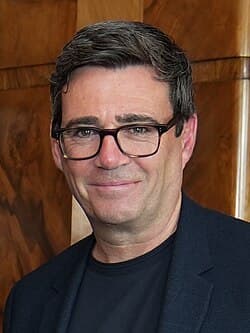
The harder test would come immediately in Westminster. The Times has said Burnham is expected to seek reassurance for investors and has been linked with a possible move on fiscal rules, while business groups want him to fast-track an EU reset. Any No 10 team built around him would have to reconcile that pressure for economic credibility with the transport, housing and devolution instincts that define his record in Greater Manchester.
This article was produced by Prism’s automated news system from verified source data, official records, and press releases, then run through automated quality and moderation checks before publishing. The system is built and supervised by the people who set the standards it runs under. Read our full AI policy.
Know something we missed? Have a correction or additional information?
Submit a Tip