Businesses Warn Customers Will Face Higher Prices Due to Rising Wage Costs
Retailers face a £5bn-plus surge in employment costs as the national living wage hits £12.71 today, with 69% of retail CFOs now describing their outlook as pessimistic.

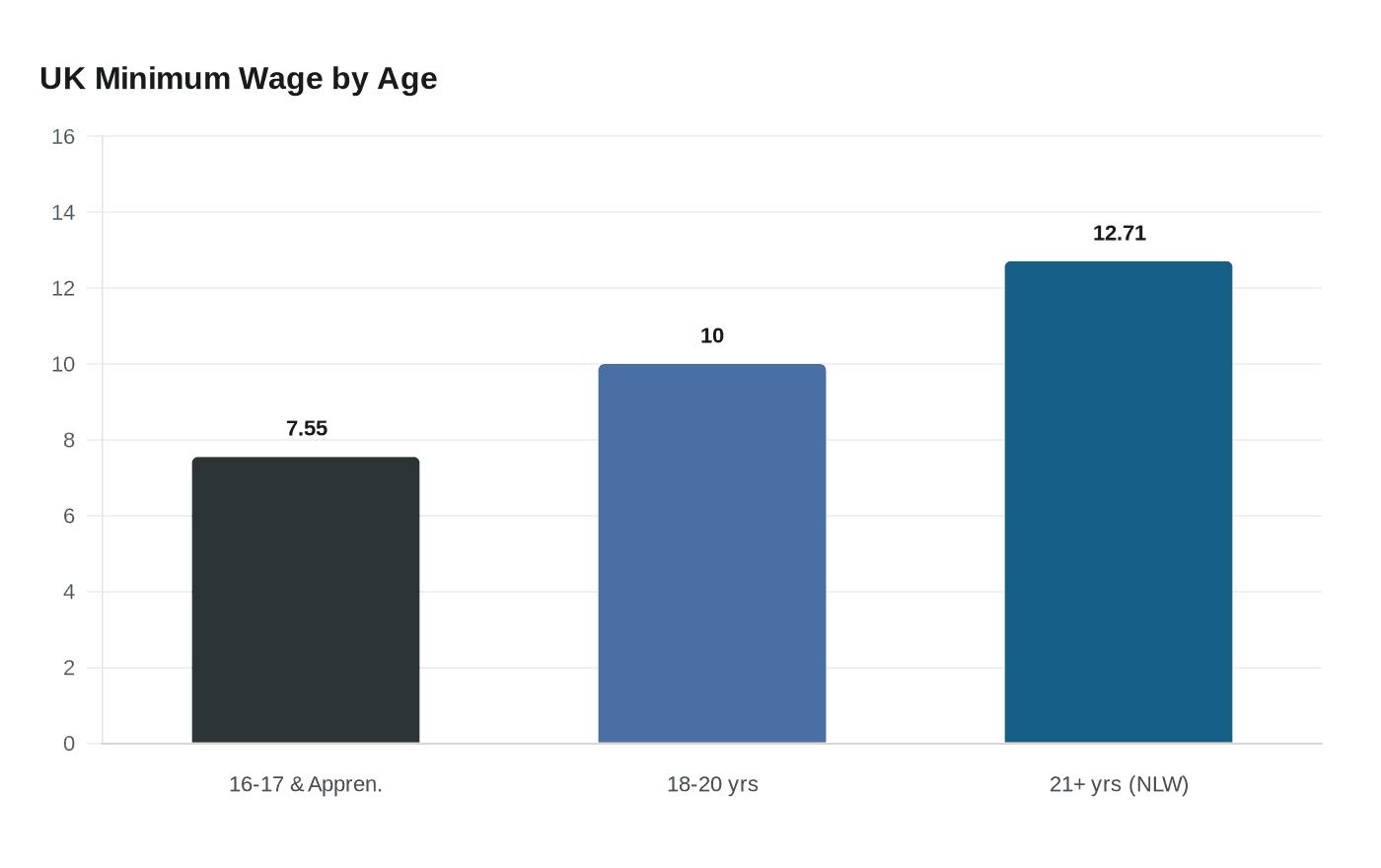
Britain's businesses delivered a clear warning on Tuesday as the National Living Wage rose to £12.71 per hour, a 4.1% increase from £12.21, with retailers and hospitality operators signalling that the cost cannot be absorbed without consequences for shoppers.
The British Retail Consortium's latest survey of retail chief financial officers and finance directors revealed a sharp rise in anxiety about labour costs over the coming year, with concerns accelerating since the Employment Rights Act became law in January. More than two-thirds of respondents, 69%, described themselves as "Pessimistic" or "Very Pessimistic," up from 56% in July 2025, while only 14% said they were "Optimistic." Some 84% of chief financial officers ranked labour and employment costs as their primary concern.
Helen Dickinson, chief executive of the British Retail Consortium, which represents more than 200 major retailers, pointed to a broader cost-of-doing-business crisis facing the sector, noting that employment costs rose by more than £5 billion last year. "Retailers are doing everything they can to shield customers from mounting pressures," Dickinson said, "but there's only so much they can absorb before costs start feeding through to prices."

The wage increase applies to workers aged 21 and over and is projected to benefit around 2.4 million low-paid workers, increasing the gross annual earnings of a full-time employee on the National Living Wage by £900. The rate for 18- to 20-year-olds rose to £10.00 per hour, while those aged 16 to 17 and first-year apprentices now earn £7.55 per hour.
Hospitality and leisure businesses, facing another significant rise in both the National Minimum Wage and National Living Wage, are weighing options including menu price increases, workforce restructuring such as reduced hours and cut positions, and investment in automated technology. The sector warned that passing costs on to consumers, while seen as one route to maintaining market stability, risks feeding broader inflation.
The British Chambers of Commerce reported that fewer firms expect to grow their workforce in early 2026, with less than a quarter, 23%, of surveyed businesses planning to increase staffing in the next three months, down from 25% in the third quarter. Meanwhile, 63% expect staffing levels to remain the same and 14% are expecting to reduce their workforce.
"High taxes and rising wage bills present huge barriers to investment and growth," the British Chambers of Commerce said. "On top of this, the cost burden of the Employment Rights Act, which the government continues to underestimate, will create further problems."
Business rates changes taking effect from April also strip retailers of the remaining 40% discount that was in place through 2025, adding a projected £600 million to the tax burden of large stores and supermarkets. With employer National Insurance Contributions already raised to 15% and the earnings threshold for payments lowered to £5,000 since April 2025, the cumulative pressure on payroll costs has compounded significantly over the past twelve months, leaving businesses with little remaining capacity to shield consumers from the impact.
This article was produced by Prism’s automated news system from verified source data, official records, and press releases, then run through automated quality and moderation checks before publishing. The system is built and supervised by the people who set the standards it runs under. Read our full AI policy.
Did this article answer your question?

