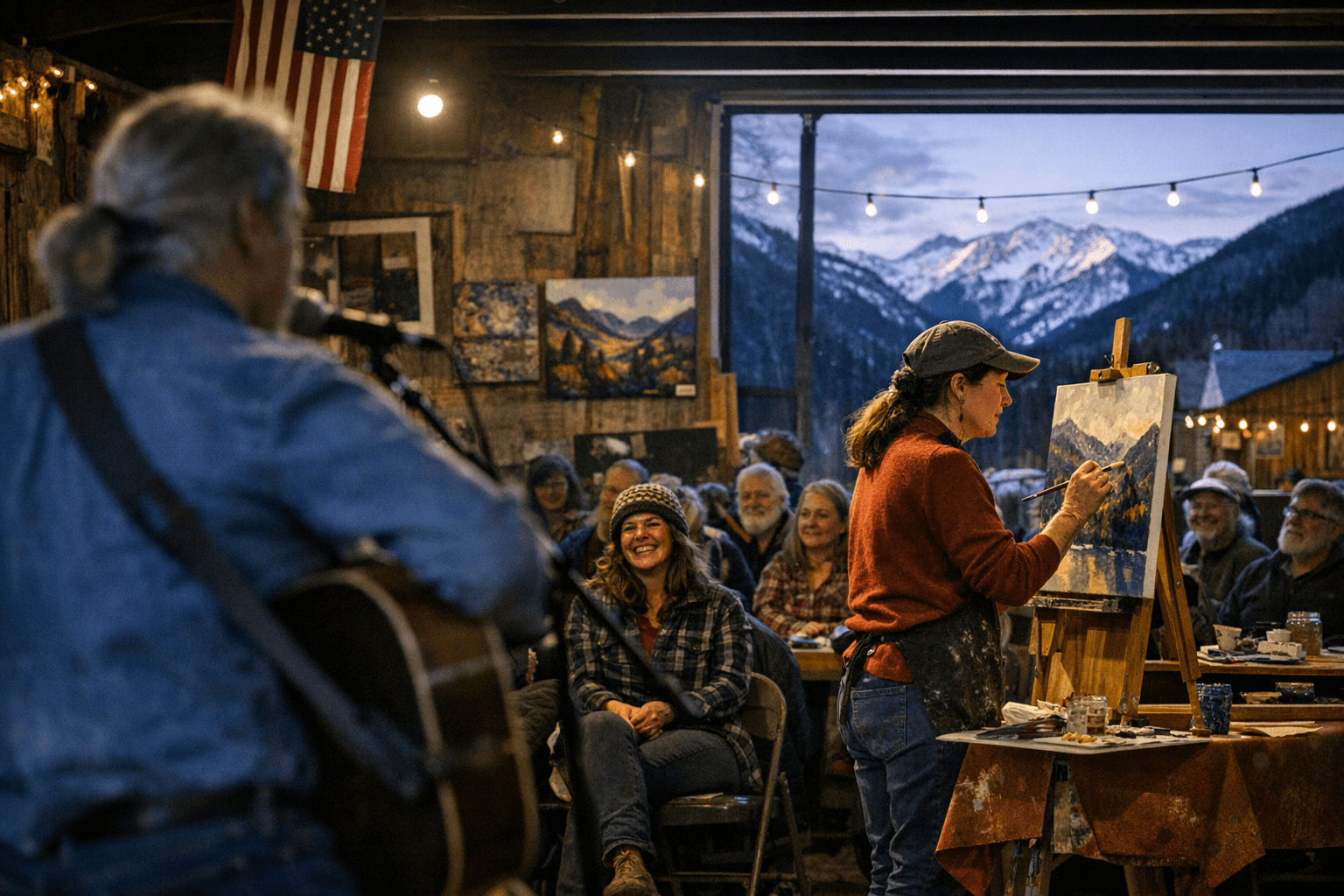
Cahone and Stoner serve as Dolores County recreation gateways
Cahone and Stoner are small Dolores County gateways to public lands and seasonal recreation; services are limited, so plan ahead.
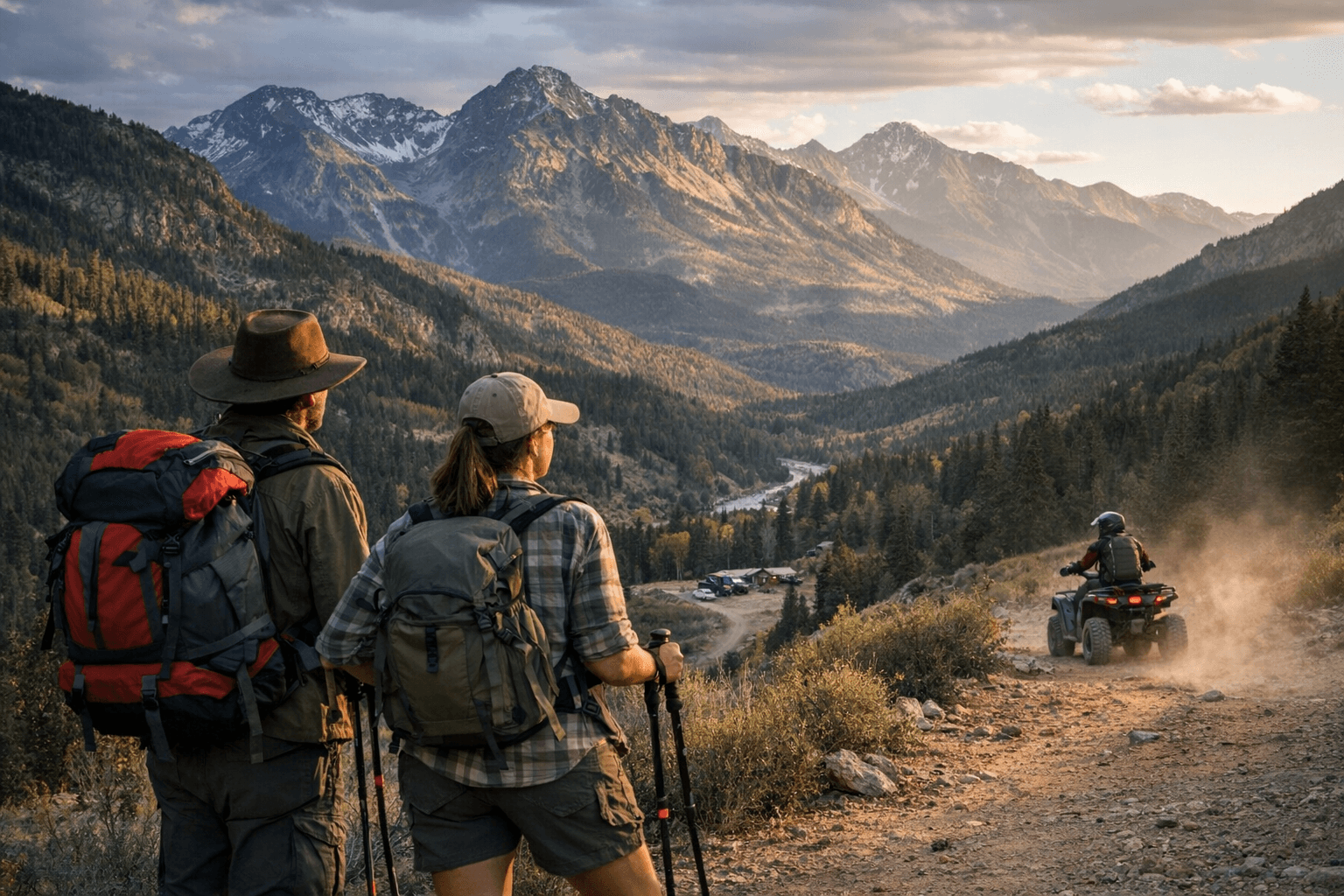
Cahone and Stoner function less as towns and more as local waypoints for hunters, anglers, and outdoor travelers using Dolores County’s public lands. Both places sit low in population and infrastructure but are commonly used as jump-off points for dispersed camping, OHV use, hunting seasons and trail access on BLM and forest lands, including the Stoner Mesa area.
For residents and visitors the practical reality is simple: fuel, groceries and lodging are extremely limited in both Cahone and Stoner. Plan to refuel and resupply in Dove Creek, Cortez or Dolores depending on your route. The nearest full emergency services, including hospital and ER care, are in Cortez at Southwest Memorial Hospital. For law enforcement or search-and-rescue response contact Dolores County emergency numbers or the nearest forest or BLM dispatch before heading into remote terrain.
Seasonal conditions shape access and safety. High-elevation roads and forest access approaches toward Stoner Mesa can be closed, snowy or icy in winter months. If you are traveling to high-country trailheads bring tire chains, extra warm clothing, and a basic emergency kit; check road conditions and agency maps on BLM Tres Rios and San Juan National Forest pages for permitted routes and seasonal closures. Respect private property around trailheads and consult maps before driving across fence lines or ranch roads to avoid trespass conflicts.
The public health implications of limited services are real and immediate. Remoteness increases the time it takes to reach emergency care, and winter conditions raise the risk of exposure and vehicle incidents. Community members who recreate or guide others through Cahone and Stoner routes need to plan for slower response times and carry supplies that would be routine in more serviced areas. Sharing plans, expected return times and vehicle locations with someone offsite remains one of the most effective precautions in remote-country outings.
Economically and socially, Cahone and Stoner represent the tension between conservation, recreation and rural infrastructure. Visitors drawn to Dolores County’s dispersed recreation bring seasonal activity but often bypass local needs for services; that pattern shapes where tax dollars and planning priorities go and contributes to persistent service gaps for residents. County-level emergency planning and interagency coordination with BLM and the San Juan National Forest are essential to mitigate those gaps, especially in winter and during hunting seasons.
For anyone headed into the Cahone or Stoner areas: treat these localities as access points rather than service centers. Plan fuel and food stops in Dove Creek, Cortez or Dolores, check agency maps and road conditions, tell someone your route and expected return time, and carry winter safety gear when traveling to higher elevations. Staying prepared reduces risk for individuals and relieves pressure on county emergency services during peak recreation periods.
Know something we missed? Have a correction or additional information?
Submit a Tip