California DOJ Seeks Destruction of 26 Seized Santa Anita Wagering Terminals
California DOJ posts notice to destroy 26 Racing on Demand wagering terminals seized from Santa Anita Park unless the track files a court action within 30 days, a move with big implications for bettors and the racing business.
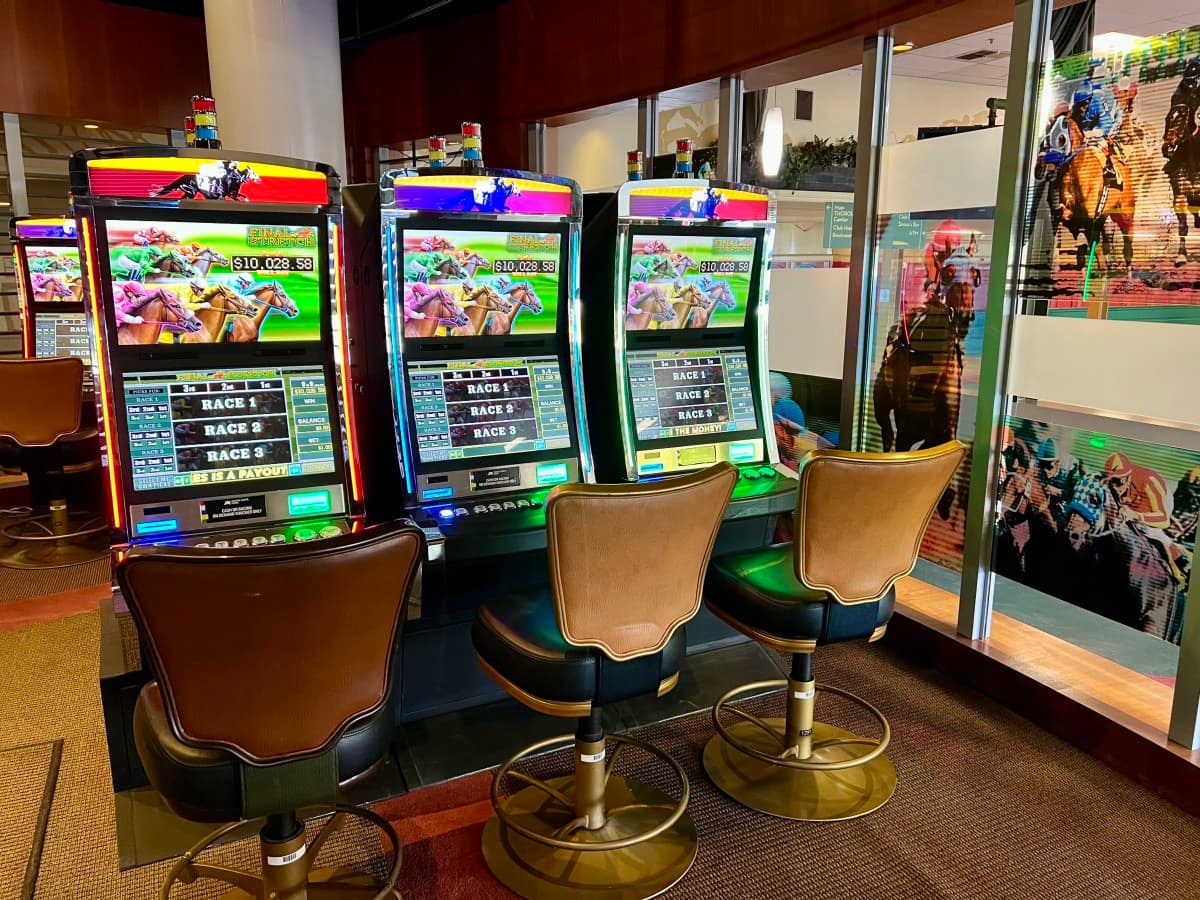
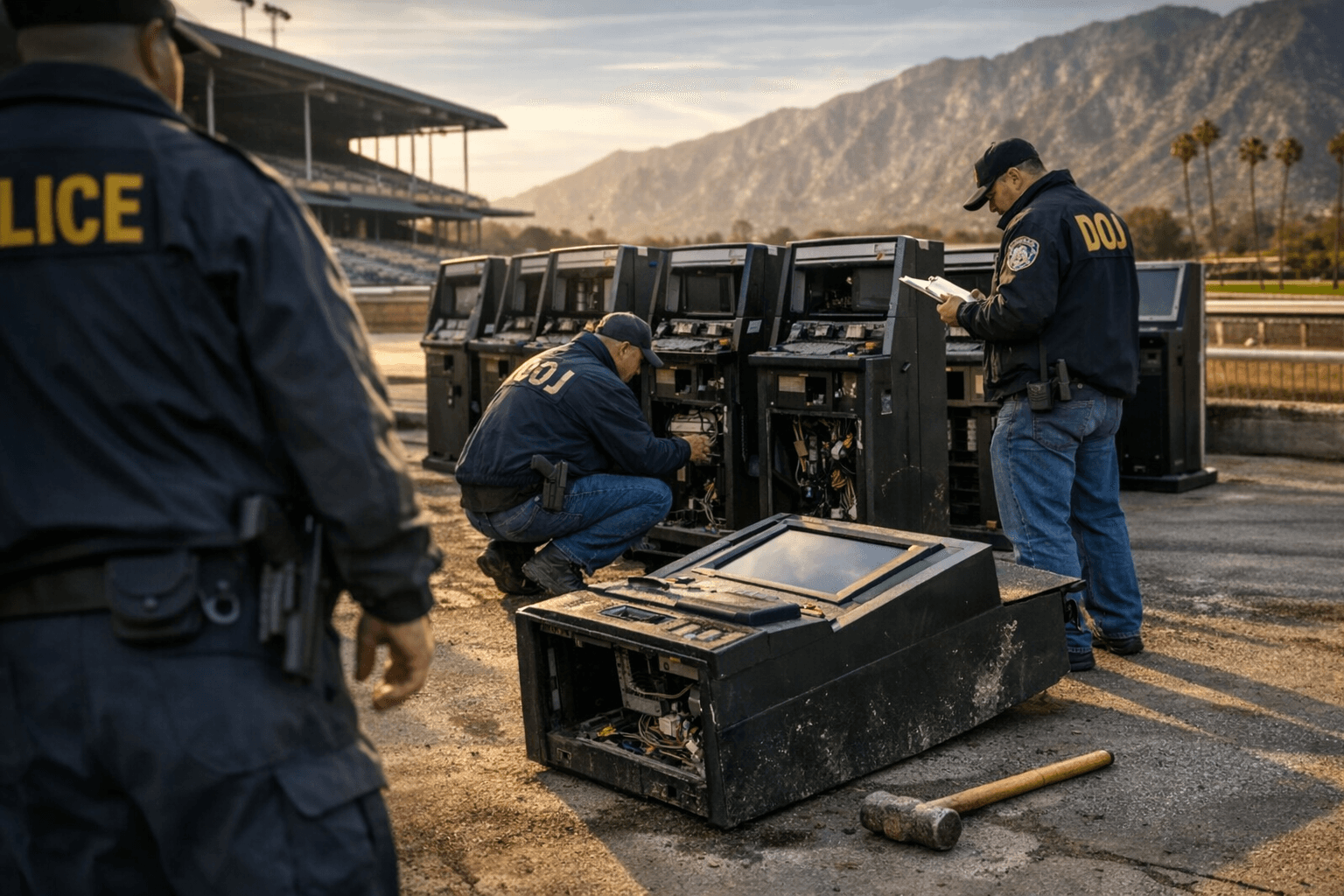
The California Department of Justice has posted a notice stating its intent to destroy 26 Racing on Demand wagering terminals confiscated from Santa Anita Park unless a court action is filed within 30 days to recover them. The notice, dated Jan. 17, was provided in response to inquiries, and Los Angeles Turf Club senior vice-president Scott Daruty confirmed the track received the notice. Track officials say they will review legal options.
The seized terminals were recently installed at the Arcadia track as part of efforts to modernize betting access and diversify handle. With the DOJ signaling destruction as the next step, the case crystallizes a clash between state enforcement priorities and the complex web of tribal gaming compacts that govern casino-style wagering in California. For racing fans the immediate consequence is the potential removal of a new retail betting channel that had begun to change where and how the public places wagers.
From a business standpoint, the action raises the stakes for tracks seeking alternative revenue streams. Racing operators nationwide have pushed technology and retail experimentation to offset declining on-track attendance and shifting entertainment habits. The prospect that devices can be seized and destroyed underlines legal risks that could chill further investment in on-site wagering innovation. The 30-day recovery window creates pressure to litigate quickly if Santa Anita and the Los Angeles Turf Club elect to challenge the DOJ.
Culturally, the confrontation touches on tribal sovereignty and state regulatory authority. Tribal gaming compacts have long been central to California’s gaming landscape, and any perceived incursion on tribal exclusivities can prompt swift enforcement responses. For many in the racing community, the dispute is not only about machines but about the future contours of competition for bettors’ dollars between tracks, tribal casinos, and account wagering providers.
Socially, bettors and employees stand to feel the effects. Regulars who had begun using the Racing on Demand terminals face diminished access and less convenience if the devices are removed. Employees involved in terminal operations and related services could see work disrupted while legal uncertainty persists.
What comes next is a legal test: will Santa Anita file suit within the 30-day window and seek injunctive relief, or will the machines be slated for destruction? The outcome will signal whether tracks can safely pursue similar tech strategies or must negotiate different arrangements with state and tribal stakeholders to reshape racing’s wagering future.
Sources:
Know something we missed? Have a correction or additional information?
Submit a Tip