California Gesha makes international auction debut at Dubai sale
A Ventura farm offered a 20-kg washed Gesha microlot at the Dubai Coffee Auction on Jan. 7, 2026, marking a rare continental U.S. appearance and signaling new origin possibilities.
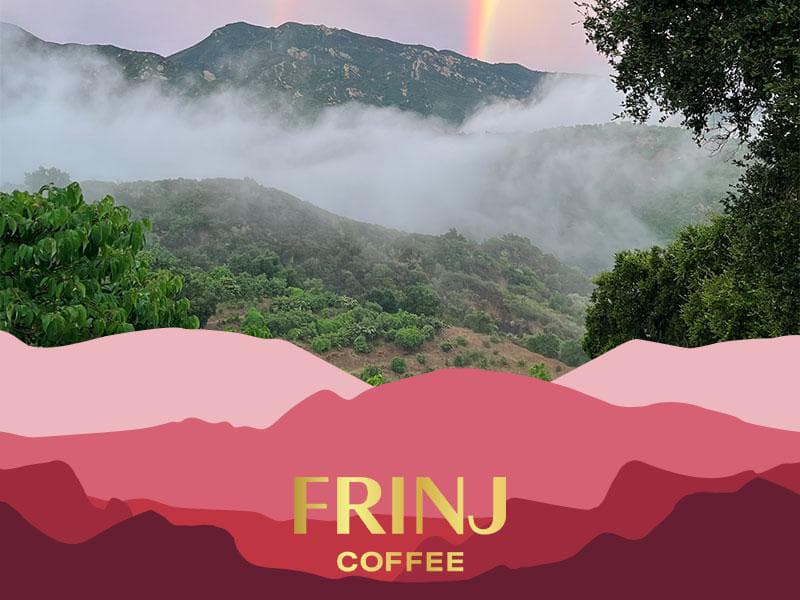
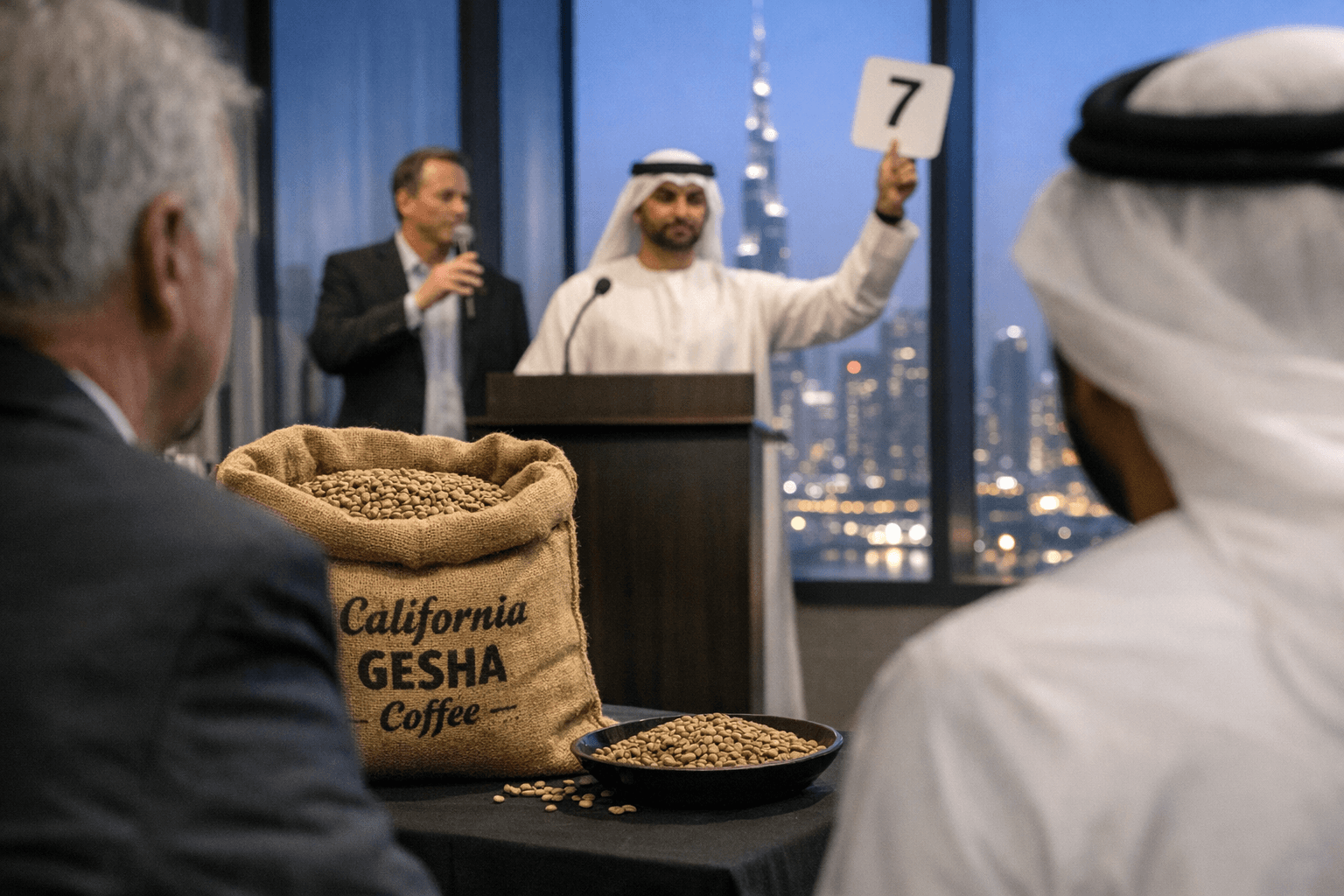
A Ventura, California farm brought a 20-kg washed Gesha microlot to the Dubai Coffee Auction on Jan. 7, 2026, one of the first instances of continental U.S.-grown coffee appearing in a major international auction. The lot, grown at Connor/Condor Ridge Ranch and presented by Frinj Coffee, opened at US$250 per kilogram and entered the auction’s two-stage format with open bidding followed by a competitive second-day session.
Gesha is a varietal that regularly commands attention at auctions for its floral aromatics, clarity and high cup scores, and its appearance from California reframes how the specialty market thinks about origin. The lot’s washed processing and modest 20-kg size classify it as a true microlot—small, traceable and intended for buyers chasing distinctive cup profiles. Bringing such a lot to Dubai exposes it to a global roster of specialty roasters, importers and collectors who use auctions to secure rare lots and set market benchmarks.
For California growers, the auction debut is recognition that experimentation and evolving microclimates can produce cup characteristics worthy of international competition. The presence of a continental U.S. lot on an auction floor traditionally dominated by Central and South American, African and Asian origins suggests origin storytelling is expanding beyond historical geographies. That shift carries practical implications: buyers may start treating select U.S. farms as origin partners rather than solely as novelty suppliers, and premium pricing signals can help fund further on-farm experimentation.
For roasters and buyers, the auction format matters. The Dubai sale used open bidding with a second-day competitive phase, meaning interested parties needed a plan for initial bids and potential escalation. The Frinj lot’s US$250/kg opening bid placed it squarely in the specialty auction tier where provenance, processing and cup scores determine final price more than volume. Verify import rules, logistics and customs timelines if you plan to bid or buy; a winning lot still needs shipping, phytosanitary compliance and roast development before it can hit a shop’s espresso bar or filter program.
This moment also matters to the local coffee community: it gives California growers a visible benchmark and gives roasters a fresh provenance to translate into single-origin offerings and educational cuppings. Expect more experimental lots from nontraditional origins to surface on auction catalogs as producers push varieties, altitude-adjacent microclimates and processing techniques.
The takeaway? Treat this as both a validation and a nudge. Keep an eye on auction calendars, sharpen your cupping notes, and be practical about logistics and price signals—rare domestic lots can be exciting, but they need a plan from bid to cup to make the story land. Our two cents? If you’re tempted to chase a California microlot, scope the paperwork and rally partners—small lots shine best when a program can showcase them properly.
Sources:
Know something we missed? Have a correction or additional information?
Submit a Tip