California governor primary pits Porter, Steyer, Becerra against GOP rivals
California’s top-two primary put second place in play, with Porter, Steyer and Becerra fighting to keep Republicans out of the runoff. Trump’s backing of Steve Hilton sharpened the GOP lane fight.
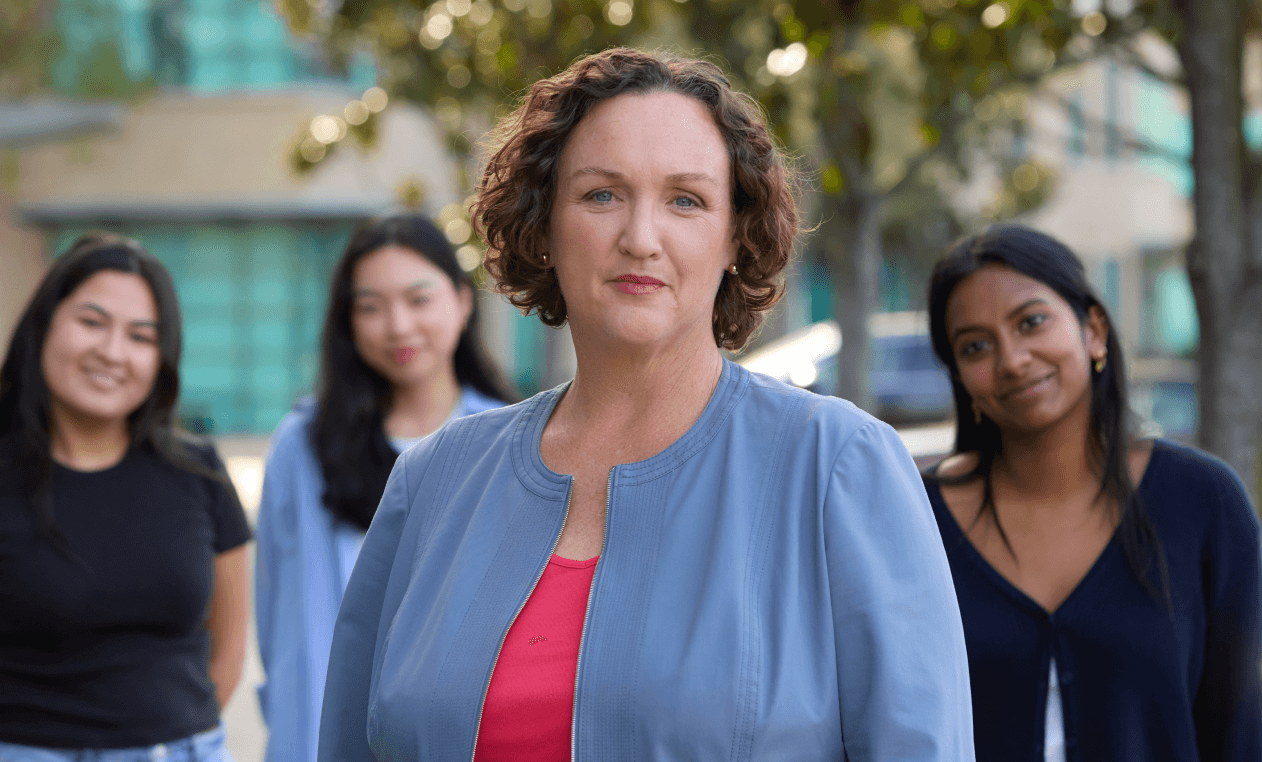
California’s governor race became a fight for lanes, not just votes, as Katie Porter, Tom Steyer and Xavier Becerra battled to consolidate Democrats while Chad Bianco and Steve Hilton pressed the Republican side of the field. Under the state’s top-two system, the first and second finishers advanced to the November 3, 2026 general election no matter their party, making runner-up status nearly as valuable as first place in a crowded race to replace term-limited Gov. Gavin Newsom.
The June 2 primary drew 61 candidates, including 24 Democrats and 12 Republicans, a field wide enough to reward disciplined blocs and punish fragmentation. That mattered in California, where a split Democratic vote could, in theory, open the door for two Republicans to reach the runoff. Democratic Party leaders said that outcome was unlikely, but the math of an open primary made it impossible to ignore.

Former President Donald Trump’s April 6 endorsement of Hilton added another layer to the Republican contest, raising the stakes for whether GOP voters would coalesce around Hilton or spread support between Hilton and Bianco. For Democrats, the central challenge was different: Porter, Steyer and Becerra each had to prove they could unify different parts of the party’s coalition before the count moved into the top-two runoff phase.
The campaign’s most visible issues were affordability, housing, public safety, climate, education and healthcare, themes that dominated a May 14 debate hosted by CBS Bay Area and the San Francisco Examiner. The candidates also clashed over abortion policy. On one question, whether California should extradite a California-based physician for mailing abortion pills across state lines, Bianco and Hilton said yes, while Porter, Becerra, Steyer, Antonio Villaraigosa and Matt Mahan said no.
Voting had already been underway for weeks. California’s Secretary of State said ballots for military and overseas voters could go out as early as April 3, counties had to begin mailing ballots to other voters by May 4, and same-day registration remained available through Election Day. Early turnout was described as low in the final week, with about 7% of ballots returned roughly a week before voting ended, leaving the outcome uncertain in a state where turnout often determines which political lane survives.
The June 2 primary also carried broader consequences beyond the governor’s race. The Associated Press noted that major U.S. House contests were on the ballot under newly redrawn congressional districts, adding more reason for campaigns to watch where California voters were breaking and whether the state’s expensive, sprawling electorate would settle on a familiar partisan lineup or something more disruptive. California election officials said the results would be certified by July 10, 2026, but the real question was whether the top-two system would elevate the strongest nominee or simply the best-positioned survivor.
This article was produced by Prism’s automated news system from verified source data, official records, and press releases, then run through automated quality and moderation checks before publishing. The system is built and supervised by the people who set the standards it runs under. Read our full AI policy.
Did this article answer your question?

