California governor race stays unsettled as primary nears, voters wait
Roughly 10% of California’s 23 million voters had cast ballots as a 60-candidate field left Democrats searching for an heir to Gavin Newsom.

California’s race for governor has become more than a contest for an open seat. With Gavin Newsom term-limited and voters still undecided in the closing days before the June 2 primary, the slow pace of voting is exposing a larger problem for Democrats, one that goes beyond this election and into the party’s future succession plan.
About 60 candidates were on the ballot, including six major Democrats and two prominent Republicans, making the top-two primary unusually hard to read even for habitual primary voters. Under California’s system, every candidate shares one ballot and the top two finishers advance regardless of party, which has left Democrats worrying about both the immediate result and the deeper question of whether the state is producing a clear heir to Newsom’s nationally visible profile. By Wednesday, roughly 10% of the state’s 23 million voters had returned ballots, according to Paul Mitchell’s tracker, a slower pace than normal for an early-voting campaign that began in May.
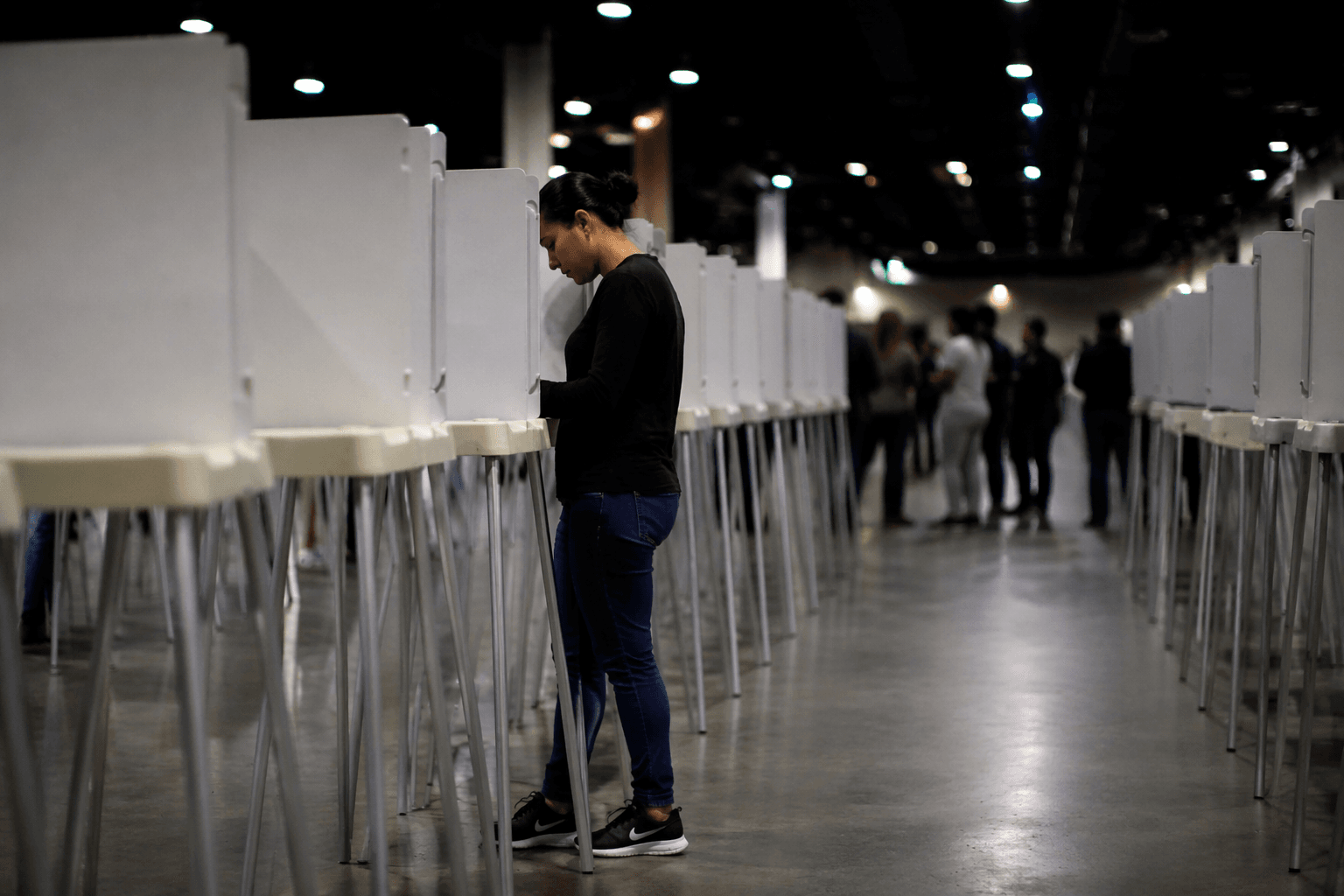
The lack of a dominant Democrat has fed a mood of caution rather than enthusiasm. One voter, Tom Steyer, reflected that pressure in a race where some Democrats appear to be choosing the least objectionable option instead of rallying behind a standard-bearer. The field’s size and fragmentation have also sharpened fears that California could still produce an unpredictable top two, even though that became less likely after former Rep. Eric Swalwell left the race and President Donald Trump endorsed Steve Hilton in April. Democratic strategists have watched ballot returns closely, especially among older, whiter voters who usually mail ballots early.
Newsom’s own posture has underscored the party’s uncertainty. On May 14, he said he expected at least one Democrat to advance and described a behind-the-scenes contingency plan if Republicans appeared poised to crowd Democrats out of the top two. At the same time, the Democratic Governors Association began sending mailers that cast Hilton as a fierce conservative, a move that could help consolidate Republican voters behind him and shape which two candidates survive.
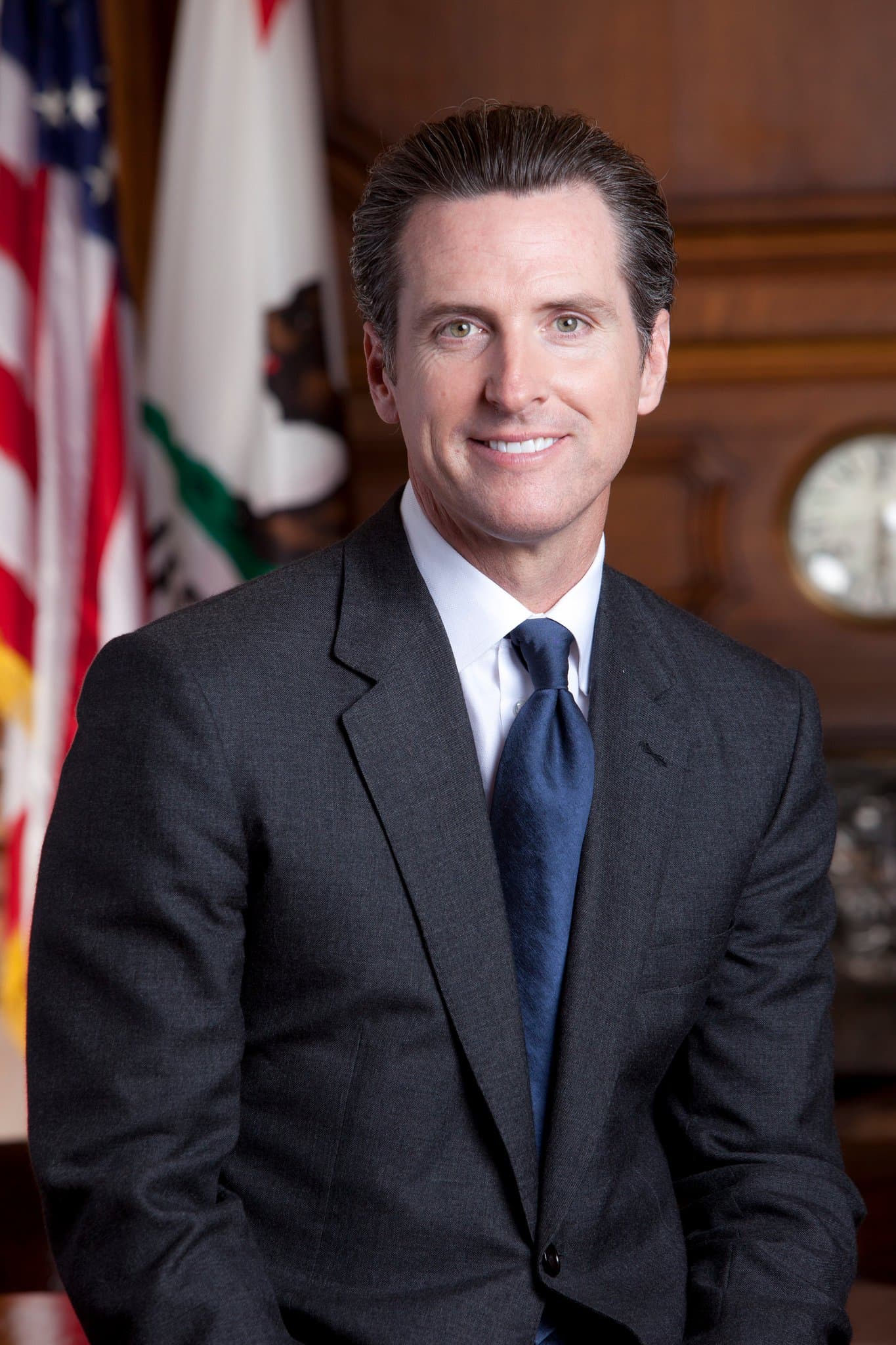
The race has taken on added significance because CalMatters said this was the first truly open Democratic primary in 16 years and only the second open field under California’s top-two system. Eight Democrats and two Republicans officially filed for the June 2 ballot, while the California Secretary of State said same-day voter registration remained available through Election Day and secure ballot drop-off locations opened on May 5. For Democrats, the warning sign is not just who advances. It is whether California can still produce excitement, or only default choices, when the governor who helped define the party’s state leadership is no longer on the ballot.
This article was produced by Prism’s automated news system from verified source data, official records, and press releases, then run through automated quality and moderation checks before publishing. The system is built and supervised by the people who set the standards it runs under. Read our full AI policy.
Did this article answer your question?

