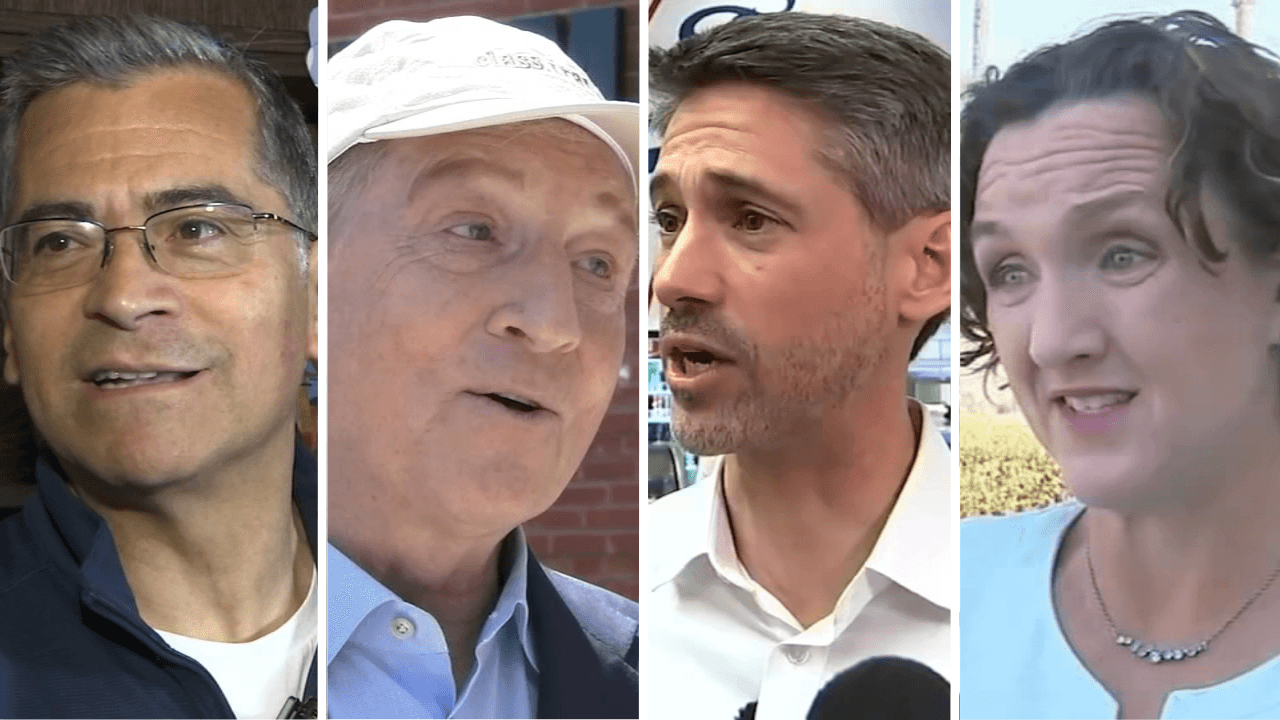
California governor's race draws 60-plus candidates in wide-open field
California’s governor’s race stayed unresolved as 60-plus candidates tested the state’s Top Two system and left the November field uncertain. Early returns pointed to a close, ideologically mixed finish.
California’s governor’s race remained up for grabs after a crowded all-party primary turned into a slow count and a live test of the state’s Top Two system. With Gov. Gavin Newsom term-limited, voters faced the largest open contest for the office in decades, and the result was still unsettled as ballots continued to be processed.
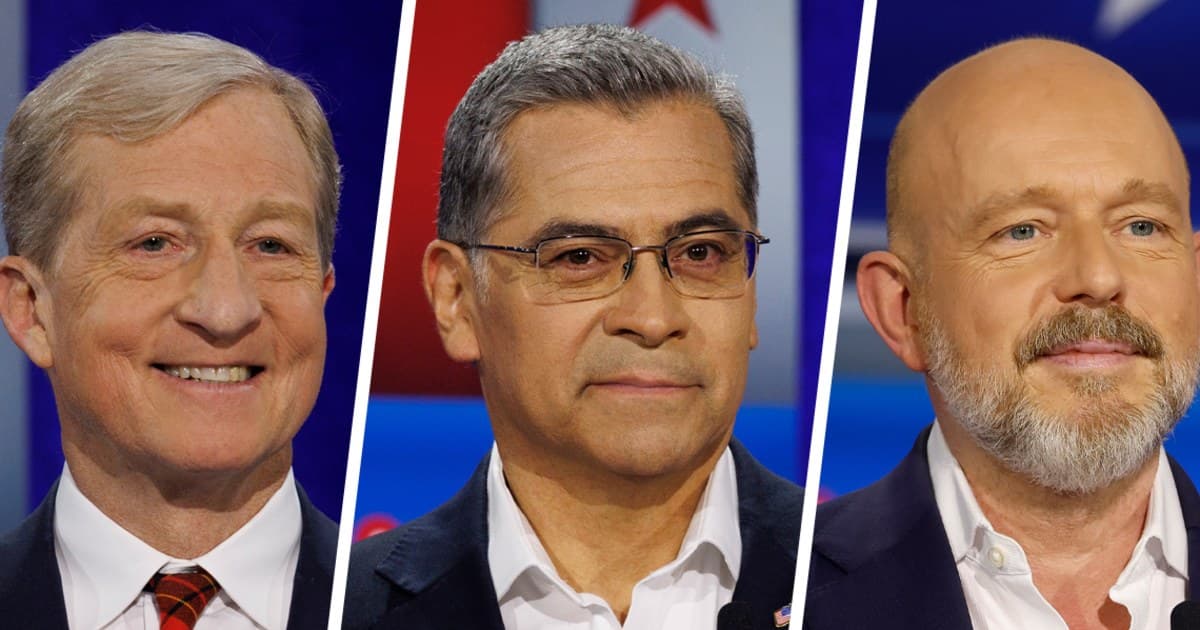
The field drew about 60 hopefuls, with some candidate lists counting 61 names overall. The race ranged from major Democrats to Republicans and unaffiliated candidates, including former Health and Human Services Secretary Xavier Becerra, former Rep. Katie Porter, businessman Tom Steyer, Los Angeles Mayor Matt Mahan, state schools chief Tony Thurmond, former Los Angeles Mayor Antonio Villaraigosa, Steve Hilton and Riverside County Sheriff Chad Bianco. In California’s Top Two Candidates Open Primary Act, all candidates appear on the same ballot, and the two highest vote-getters advance to the Nov. 3, 2026, general election regardless of party preference.
The early count offered a snapshot of how the system can scramble election-night certainty. NBC News reported late Tuesday that about half of the expected vote had been counted, with Hilton at 27%, Becerra at 26%, Steyer at 20% and Bianco at 11%. But that was not enough to settle either the governor’s race or other major contests, and the state’s official count was still moving as counties worked through remaining ballots.
California election officials have warned for years that a close statewide race can take days or weeks to resolve. The secretary of state said vote-by-mail, provisional and same-day registration ballots continue to be processed during the 30-day canvass period, and results change as those ballots are tallied. As of June 3, unofficial returns showed 82.5% of election-night precincts partially reporting, with certification scheduled for July 10.
The calendar for this race was set months earlier. The secretary of state certified the June 2 primary candidate list on March 26, said ballots could first go to military and overseas voters as early as April 3, and required counties to mail ballots to all other voters by May 4. The last wide-open governor’s contest in California came in 1998, underscoring how long voters have gone without a race this unsettled.
The stakes go beyond party labels. California is choosing the successor to run the nation’s most populous state, and the next governor will inherit a budget fight and a Washington climate often hostile to Sacramento. Newsom’s Jan. 9 budget projected a $2.9 billion deficit, and his May 14 revision said stronger revenues had improved the outlook, but analysts still see a structural gap ahead. That mix of a crowded ballot, delayed counting and a fiscal squeeze made the primary not just a nomination fight, but a stress test of how much certainty California’s election system can deliver on election night.
This article was produced by Prism’s automated news system from verified source data, official records, and press releases, then run through automated quality and moderation checks before publishing. The system is built and supervised by the people who set the standards it runs under. Read our full AI policy.
Know something we missed? Have a correction or additional information?
Submit a Tip