California Law Restricts Automation, Mandates Human Support and Clear Refunds
California enacted a law that requires third-party delivery platforms to provide human customer service when automation fails and to offer clearer refunds, changing support staffing and partner operations.
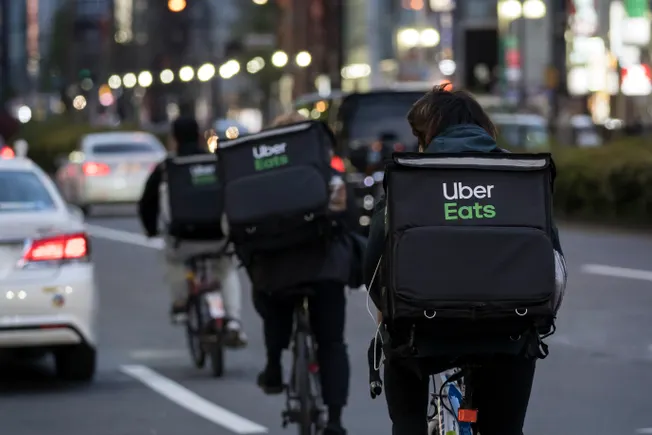
A California law that took effect Jan. 20, 2026 curbs heavy automation in customer service for third-party food delivery platforms, forcing companies to provide customers access to a human representative when automated systems cannot resolve an issue and to expand refund options for wrong or undelivered orders.
The statute, signed in 2025, targets what lawmakers called "deflection-first" AI strategies that prioritize automated chatbots and self-service flows over human escalation. Under the new rules, platforms must make it easier for customers to obtain refunds to their original form of payment and to reach live agents for complex order exceptions. The change is meant to reduce the friction consumers face when routine automated workflows fail to address problems such as incorrect meals, missing items, or undelivered orders.
For restaurants and delivery workers, the law alters the downstream operations that third-party platforms manage. Platforms will need to revise customer-support triage, staffing and training to ensure timely human intervention. That could mean hiring more domestic support agents, reorganizing offshore teams, or creating specialized escalation units that handle disputes involving merchant partners and couriers. Those shifts will affect how platforms route reimbursement requests, how quickly restaurants see funds returned, and how delivery workers are cleared of fault in chargebacks or customer disputes.
Experts have warned that compliance will require stronger AI governance, clearer escalation criteria and better monitoring of automation performance to catch edge cases before customer frustration escalates. For platform product teams, that translates into new rules for when an automated interaction must hand off to a human, tighter logging and audit trails for decisions made by chatbots, and updated service-level agreements with merchant partners that reflect the new refund protocols.

The practical workplace implications are immediate. Customer-support teams may see higher volumes of complex inquiries that cannot be handled by scripted automation, requiring additional training in restaurant operations, payment reconciliation and courier dispute resolution. Merchant success teams will spend more time mediating refunds and chargebacks, which could change metrics like dispute rates and on-time payout cycles. Delivery workers could benefit from clearer processes for contesting fault on undelivered or misdelivered orders, but they may also face new documentation requests during escalations.
Platforms will need to balance the cost of expanded human support with the operational benefits of faster dispute resolution and improved relationships with restaurants and couriers. Compliance will likely spur companies to refine AI models and escalation paths to minimize unnecessary handoffs while ensuring that serious or unusual cases reach a human quickly.
For workers and managers across the delivery ecosystem, the law signals a shift away from blanket automation toward hybrid support models where human judgement remains central. Expect platforms to announce updates to support workflows and staffing plans in the coming months as they align products and operations with the new requirements.
Sources:
Know something we missed? Have a correction or additional information?
Submit a Tip

.png%3Fwidth%3D1280%26auto%3Dwebp%26quality%3D80%26disable%3Dupscale&w=1920&q=75)