California lets police ticket self-driving car makers under new rules
California will let police ticket the maker, not a driver, when a self-driving car breaks traffic law. The new rules also let emergency crews push robotaxis out of active incident zones.
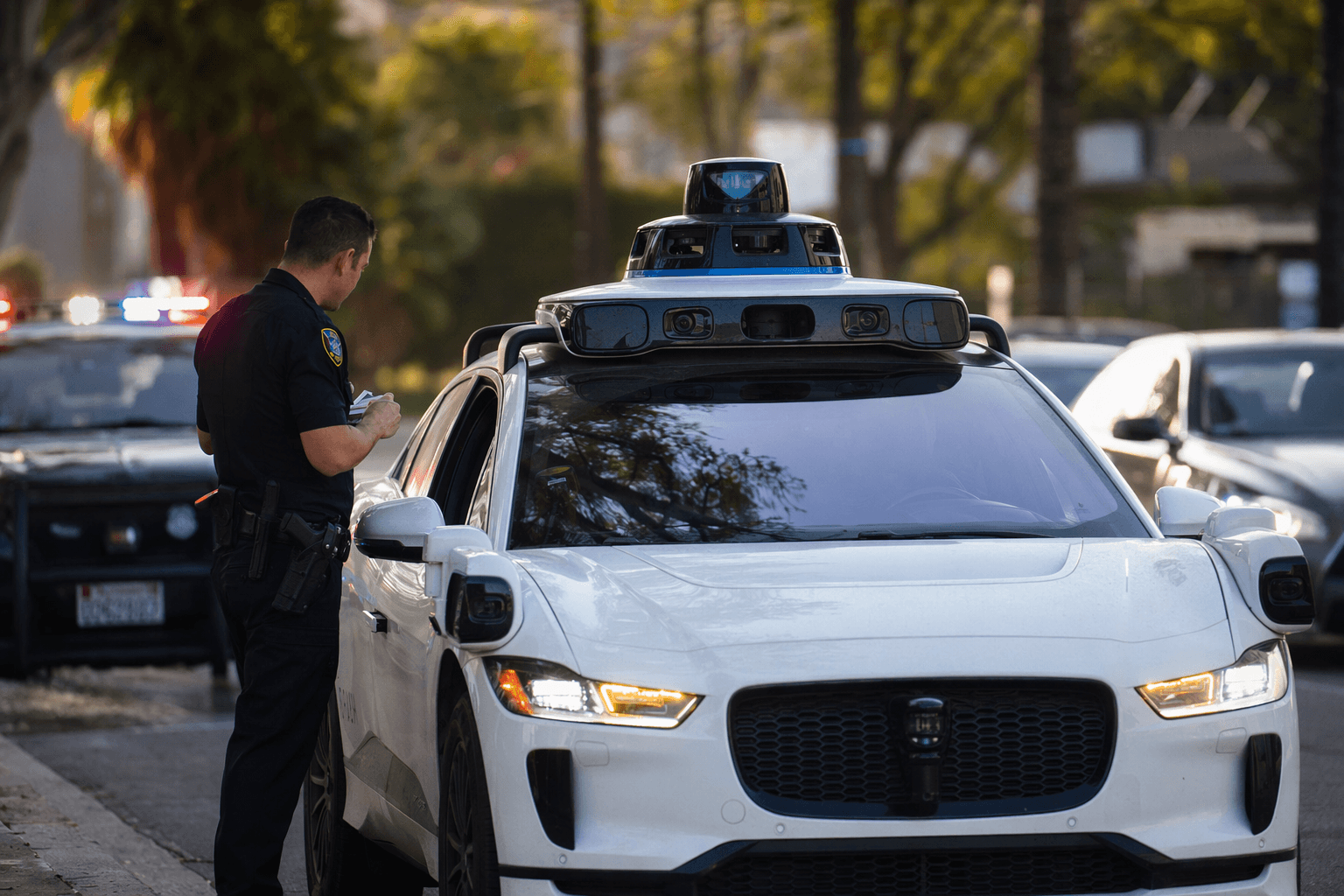
California has moved from testing autonomous vehicles to punishing the companies behind them. Under new rules adopted by the California Department of Motor Vehicles on April 28, police can issue a Notice of AV Noncompliance to a manufacturer when a driverless vehicle commits a moving violation, and the DMV can restrict, suspend or revoke an operating permit if the problem is not fixed.
The rules take effect July 1 and are designed to close a long-running enforcement gap: in many robotaxi incidents, there has been no human driver to ticket. That has been a source of frustration in San Francisco and Los Angeles, where autonomous vehicles have been blamed for blocking traffic, disrupting emergency responses and creating public safety headaches.
The package gives first responders new tools in the field. AV companies will have to answer first responder calls within 30 seconds, maintain a dedicated emergency-response phone line and equip vehicles with two-way communication devices. Local emergency officials will also be able to issue electronic geofencing directives, including temporary “do not enter” and restricted area zones that can keep autonomous vehicles out of active emergency scenes or push them away from them.
California is also tightening how companies prove they are ready for the road. The DMV said manufacturers must begin with testing that includes a safety driver, move on to driverless testing and then apply for commercial deployment only after completing 50,000 miles for light-duty vehicles or 500,000 miles for heavy-duty vehicles at each phase. The state’s new framework also opens the door to testing and deployment of heavy-duty autonomous vehicles weighing more than 10,001 pounds, a major expansion for freight and transit operators.
The rules complement AB 1777, authored by Assemblymember Phil Ting and signed into law in 2024. That law also takes effect July 1 and requires driverless AV manufacturers to comply with emergency-response and citation-reporting obligations. San Francisco Fire Department officials backed the measure, arguing that better coordination between autonomous vehicles and first responders is essential as the technology becomes more common.
California officials say the new system is meant to preserve room for innovation while forcing accountability. For Waymo, Cruise, Zoox and other operators, the message is clear: driverless fleets will still be allowed to grow in California, but the state is no longer willing to let the software outrun the rules.
This article was produced by Prism’s automated news system from verified source data, official records, and press releases, then run through automated quality and moderation checks before publishing. The system is built and supervised by the people who set the standards it runs under. Read our full AI policy.
Did this article answer your question?