California Pauses Tesla Factory Order, Keeps Sales Threat Alive
The California Department of Motor Vehicles accepted an administrative judge's finding that Tesla misled consumers with its Autopilot and Full Self Driving branding, but the regulator stayed the manufacturing suspension and allowed the company time to comply or appeal. The action leaves open a 30 day sales suspension if Tesla does not change its marketing, even as agency statements and filings offered inconsistent timelines for when enforcement would begin.
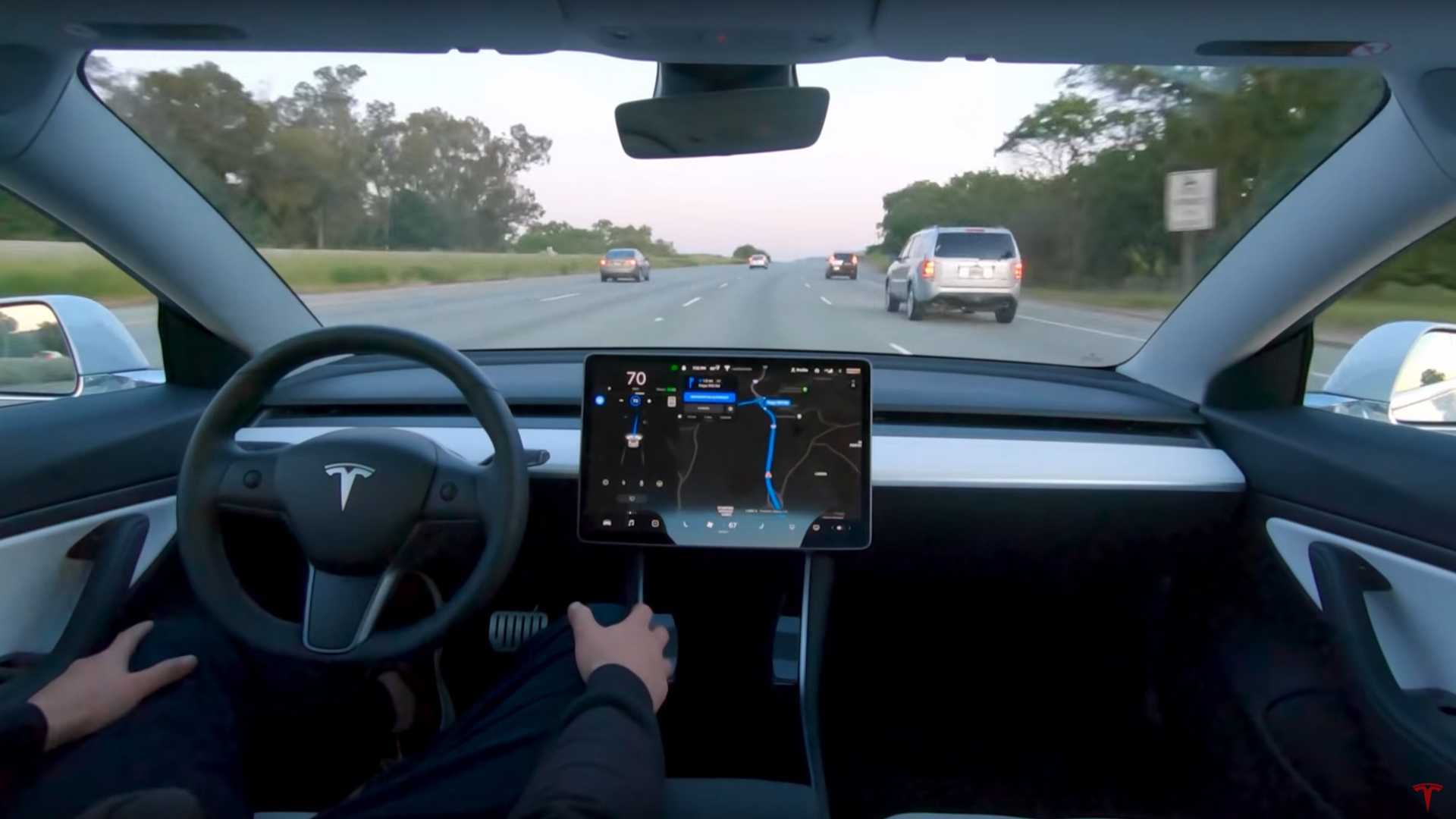
The California Department of Motor Vehicles on Tuesday accepted an administrative law judge's recommendation that Tesla exaggerated the capabilities of its driver assistance systems in marketing, but the regulator paused immediate action against the company's factory operations and gave Tesla a window to correct its labeling or appeal.
Judge Juliet Cox concluded in a written decision that Tesla's use of the names Autopilot and Full Self Driving overstated what the technology can do, and recommended that the agency suspend both the automaker's manufacturer and dealer licenses in the state for 30 days. The DMV accepted that determination, but stayed the judge's recommendation to suspend Tesla's manufacturing license, preserving uninterrupted production for the company's California plant while the matter is resolved.
The agency left the sales license in a more ambiguous position. The DMV signaled it would allow additional time for Tesla to change its marketing or to seek administrative appeals, but public statements and filings released around the decision provided inconsistent compliance windows. Some materials indicated a 90 day stay before a sales suspension could take effect, while other agency language described a 60 day window that, if not met, would trigger the 30 day suspension of the license to sell vehicles in California. In all scenarios the regulator kept the option to enforce a 30 day suspension if Tesla fails to address the marketing concerns.
The proceeding stems from a multi day hearing in July in which regulators argued motorists could be misled into believing the vehicles were capable of full autonomy. The DMV framed its action as consumer protection and urged Tesla to adopt clearer branding and disclosures. Steve Gordon, director of the California DMV, said regulators were asking Tesla “to do their job, as they’ve done in other markets, to properly brand these vehicles,” and that the company could take “simple steps” to resolve the issue permanently.
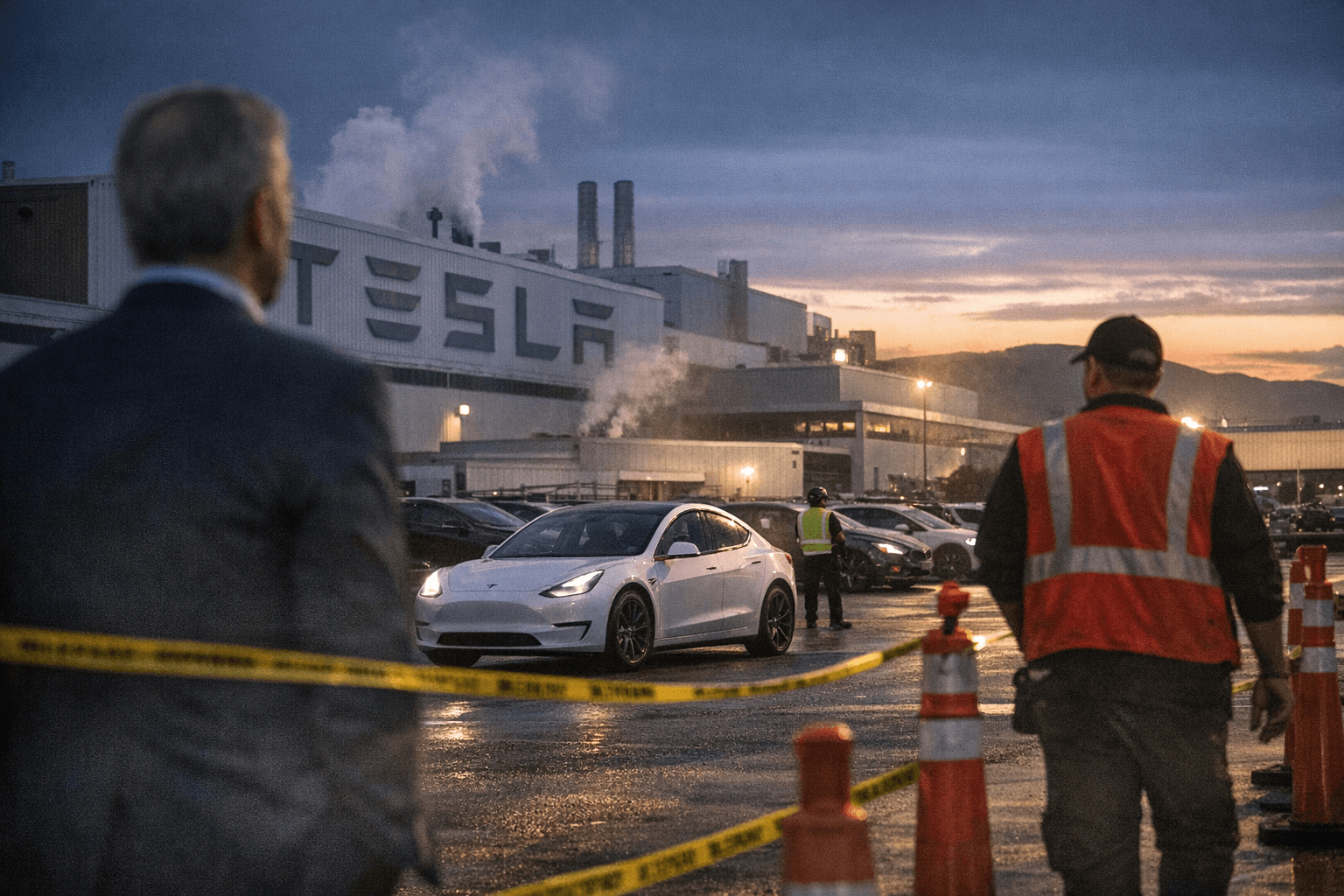
Tesla pushed back through a public relations firm, saying the agency action was focused on the use of the term Autopilot and asserting that “not one single customer came forward to say there’s a problem.” The company also said sales in California would “continue uninterrupted,” and it posted critical comments on its social platform.
California is a crucial market for Tesla and hosts one of its two U.S. factories, a Bay Area plant with capacity reported at more than 650,000 vehicles a year, second only to the company’s Shanghai facility. Analysts noted that a 30 day sales suspension in the state could have meaningful commercial impact, and the company’s stock reflected investor concern with a dip of as much as 2.2 percent in post market trading before rising modestly the next morning.
The DMV left open a path to resolution through negotiation or appeal. Regulators can enforce the 30 day sales suspension if Tesla does not change its marketing or if an appeal is rejected. For now the action underscores continuing scrutiny over terminology and consumer expectations around driver assistance systems, and it marks a significant regulatory test of how far a state can go to police automakers' descriptions of emerging vehicle technology.
This article was produced by Prism’s automated news system from verified source data, official records, and press releases, then run through automated quality and moderation checks before publishing. The system is built and supervised by the people who set the standards it runs under. Read our full AI policy.
Did this article answer your question?