California Seizes 26 Santa Anita Racing on Demand Terminals Amid Tribal Dispute
California law enforcement removed 26 Racing on Demand terminals from Santa Anita Park after tribes challenged their slot-like design. The seizure shifts wagering access and raises legal stakes for track innovation.
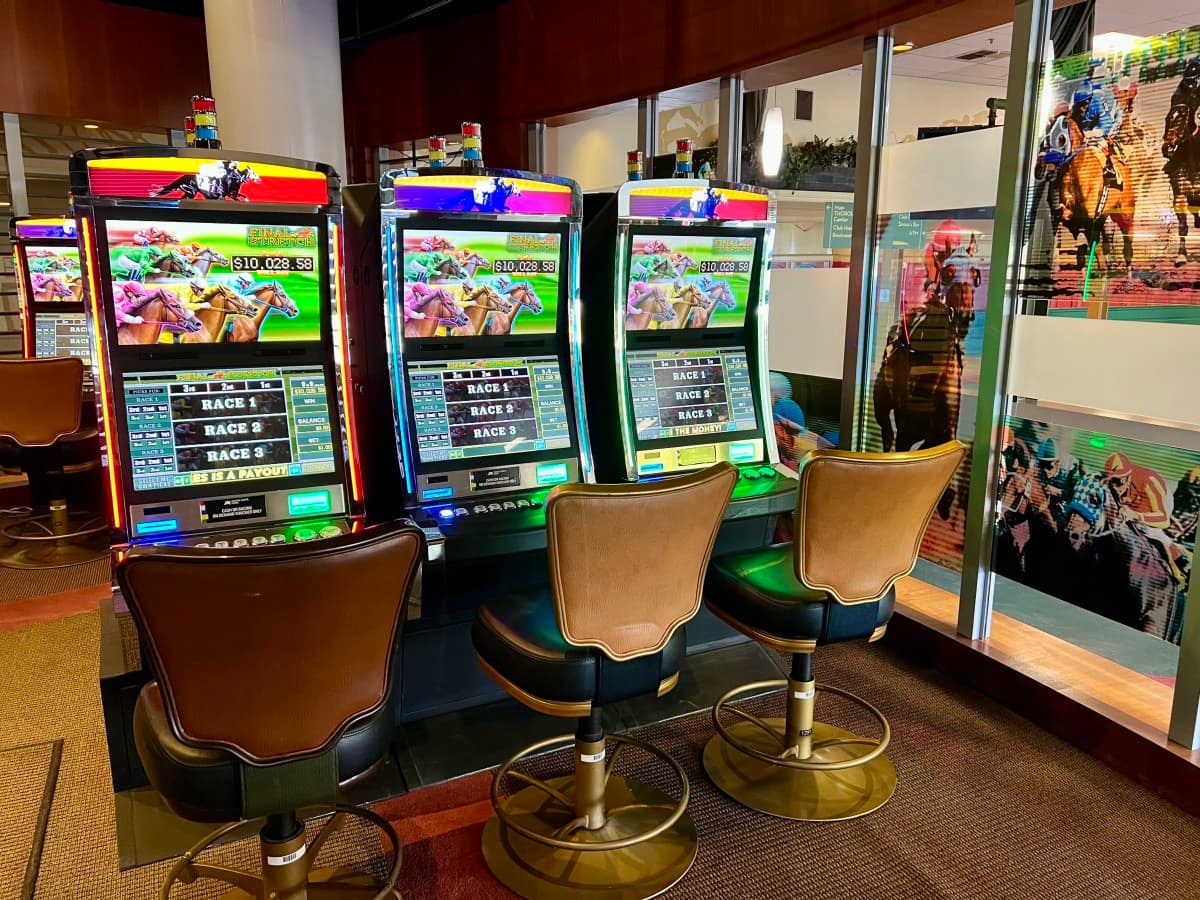
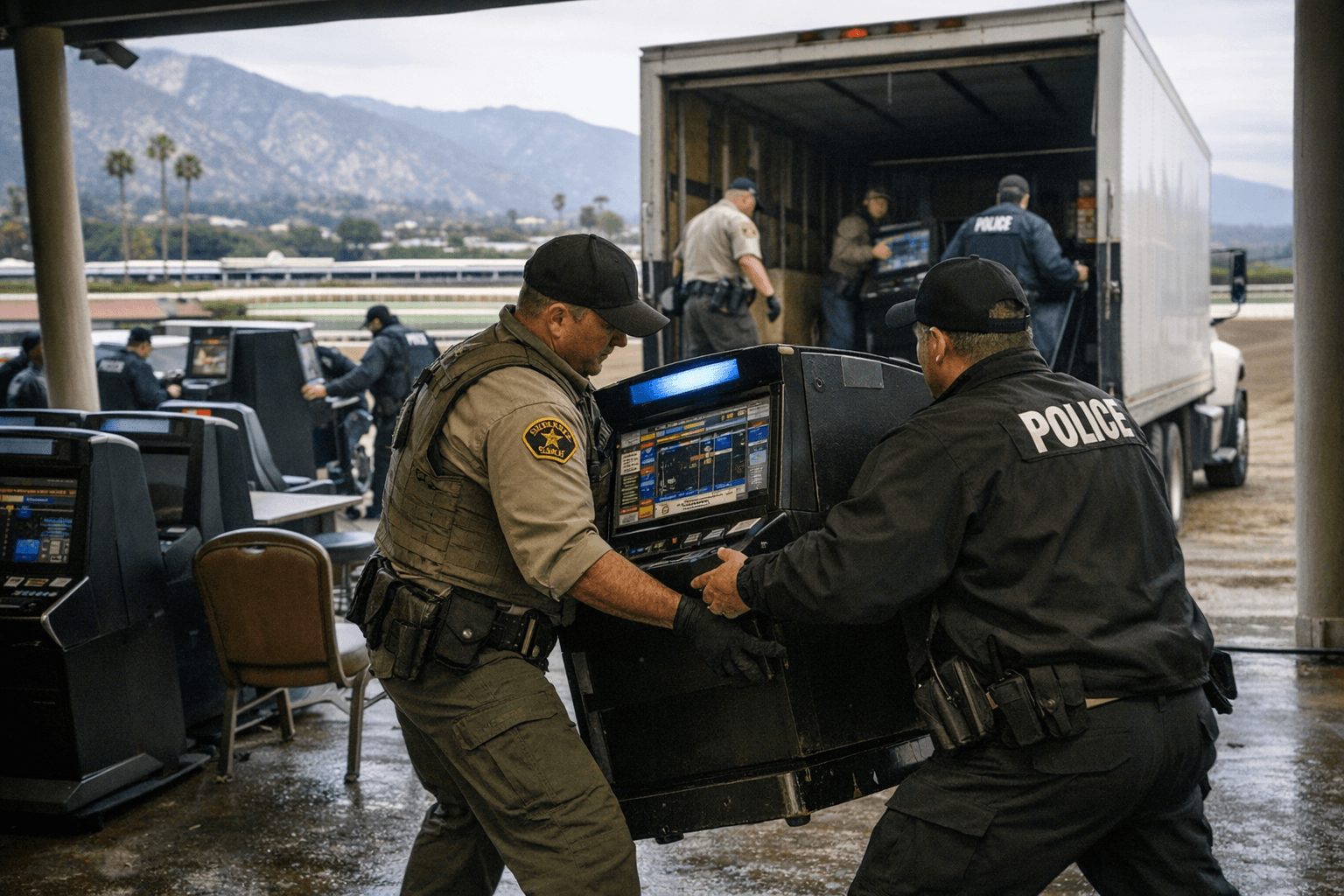
Law enforcement agents from the California Department of Justice and Arcadia police removed 26 Racing on Demand terminals from Santa Anita Park on January 17, setting off an immediate regulatory and legal dispute over tribal gaming rights and the bounds of pari-mutuel wagering. Videos circulated on social media showed officers wheeling the devices out of the grandstand pavilion after the machines had been quietly installed two days earlier.
The machines had offered a $1 "3x3" wager on three previously run six-horse races, displayed in a slot-like presentation intended to appeal to casual bettors and to boost on-site handle. Track officials and 1/ST Racing maintained the devices complied with pari-mutuel law, treating the plays as pools on past races rather than fixed-odds games. Tribes disputed that characterization, asserting the terminals violated tribal gaming compacts by resembling slot machines and effectively offering casino-style play under the racetrack roof.
Reportedly the terminals collected roughly $26,600 before agents seized them, a modest sum in the context of Santa Anita’s overall handle but a consequential test case for the industry. The swift enforcement action drew in state authorities, the track owner-operator, and tribal stakeholders, and set up litigation and regulatory scrutiny over the technology’s legality and the proper jurisdiction for adjudicating disputes that straddle racing regulators and tribal gaming commissions.
For racing fans and bettors the practical impact was immediate: the terminals were offline and the experiment in a low-price, high-frequency product was halted before it could scale. For horsemen and the track’s business side the episode underscores the tension between efforts to modernize wagering experiences and the complex web of gaming compacts that govern California’s multimillion-dollar gaming economy. Tracks and innovators are looking for new ways to grow short-form and micro-wager products to attract younger customers and increase per-capita spend; tribal operators view any slot-like device outside their casinos as an encroachment on negotiated exclusivities and revenue streams.
Culturally, the confrontation reawakens broader debates about tribal sovereignty, economic self-determination, and how legacy sports like horse racing fit into a state where tribal gaming is a central economic engine. The seizure also signals that regulators will act decisively when new wagering tech blurs established legal lines.
What comes next is likely a legal showdown and clearer regulatory guidance. Fans should expect a pause in experimental on-site products while the state, tribes, and the track negotiate or litigate the contours of acceptable pari-mutuel innovation. The outcome will matter not just to Santa Anita but to every U.S. track and wagering vendor testing slot-like betting formats in jurisdictions with active tribal gaming compacts.
Sources:
Know something we missed? Have a correction or additional information?
Submit a Tip