California sues Trump administration over coast pipeline restart
California Attorney General Rob Bonta sued the Trump administration after federal regulators reclassified two pipelines and cleared an emergency permit for Sable Offshore.
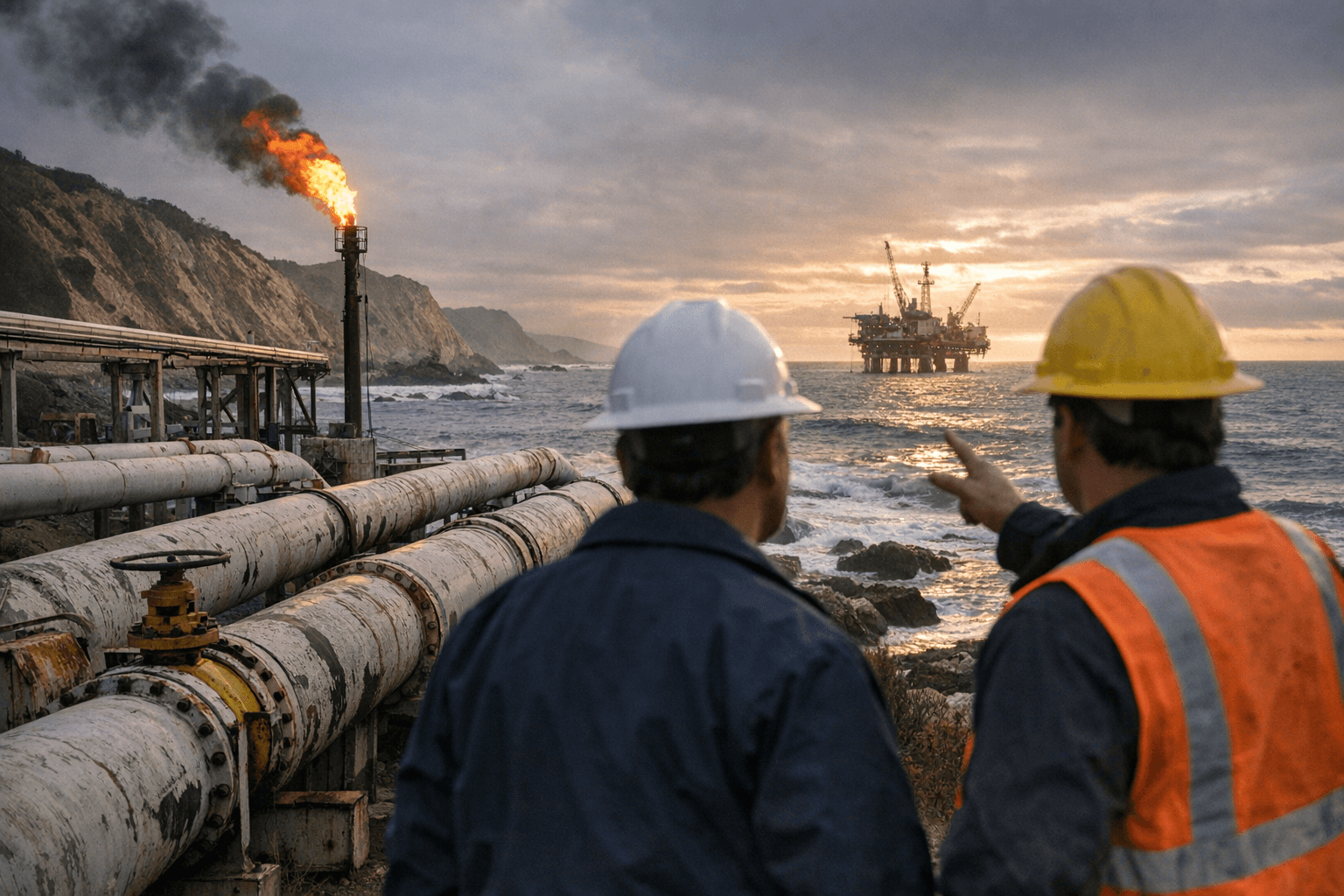
California Attorney General Rob Bonta filed suit against the federal government on January 23, 2026, challenging a federal decision that reclassified two in‑state pipelines as interstate and granted an emergency permit allowing Houston-based Sable Offshore to resume pumping oil through coast pipelines. The move, announced by federal regulators the same day, immediately escalated a legal battle over federal authority, state environmental control, and the flow of oil along the West Coast.
The lawsuit contends that the reclassification and the emergency permit improperly shifted regulatory authority from the state to federal agencies, circumventing California review processes designed to protect coastal ecosystems and public safety. The state argues that the action short-circuited environmental assessments and state permitting rules that apply to in‑state infrastructure. The filing requests injunctive relief to halt resumed operations while the court reviews the legal and procedural basis for the federal action.
Federal regulators justified the reclassification on grounds of national energy movement and emergency access to supply lines, asserting jurisdiction to permit interstate flow and rapid restoration of crude transport. The administration framed the permit as necessary to stabilize regional fuel supplies, an argument that highlights the economic stakes: U.S. crude oil production has averaged roughly 12 million barrels per day in recent years, and pipeline connectivity is a key determinant of refinery feedstock, product output, and export capacity on the West Coast.
Market participants are watching closely because the restarted pipelines could alter crude availability for California refineries and coastal terminals that supply both domestic fuel demand and exports to Pacific markets. West Coast refinery throughput constraints have periodically contributed to higher regional gasoline prices relative to other U.S. markets. Restoring pipeline flows can ease those constraints, but it also raises questions about long-term reliance on fossil fuel infrastructure amid California's aggressive climate and clean energy goals.
Beyond immediate market effects, the litigation frames a broader policy clash. California has pursued state-level restrictions on coastal drilling, pipeline siting, and emissions, while the federal government under the current administration has moved to prioritize energy infrastructure and production. Legal experts say the case could set precedent on whether federal authorities can unilaterally reclassify infrastructure to override state permitting regimes during situations the government deems emergency.
Environmental groups and coastal communities have signaled concern over expedited permits and the potential for increased coastal traffic and spill risk. State officials emphasize that coastal pipeline operations require stringent oversight given sensitive marine habitats and dense population centers along much of California's shore.
The outcome of the suit will influence regulatory boundaries between state and federal governments and could determine operational control over pipelines that service a region critical to U.S. Pacific fuel markets. The case also arrives as policymakers weigh how to balance immediate energy security needs with long-term decarbonization commitments and coastal environmental protection.
This article was produced by Prism’s automated news system from verified source data, official records, and press releases, then run through automated quality and moderation checks before publishing. The system is built and supervised by the people who set the standards it runs under. Read our full AI policy.
Did this article answer your question?