California unveils sweeping autonomous vehicle rules, tightening testing and deployment requirements
California moved to ticket robotaxis through their operators, closing a loophole exposed by a San Bruno Waymo stop and expanding oversight to heavy-duty self-driving trucks.

California has rewritten the traffic-enforcement playbook for autonomous vehicles, allowing officers to cite the companies behind robotaxis when the vehicles break the rules. The new rules, approved by the California Department of Motor Vehicles on April 28, also tighten testing and deployment standards for both light-duty and heavy-duty systems, with some provisions taking effect July 1.
The centerpiece is a Notice of Autonomous Vehicle Noncompliance. When law enforcement issues one, the manufacturer must report the violation to the DMV within 72 hours. The shift matters because traffic law was built around human drivers, and California is now trying to make that framework work for vehicles that may have no one behind the wheel. A San Bruno police stop of a Waymo vehicle that made an illegal U-turn showed the gap clearly: officers had no human driver to ticket. Under the new rules, repeated or serious violations can lead to suspension or revocation of a driverless car permit.
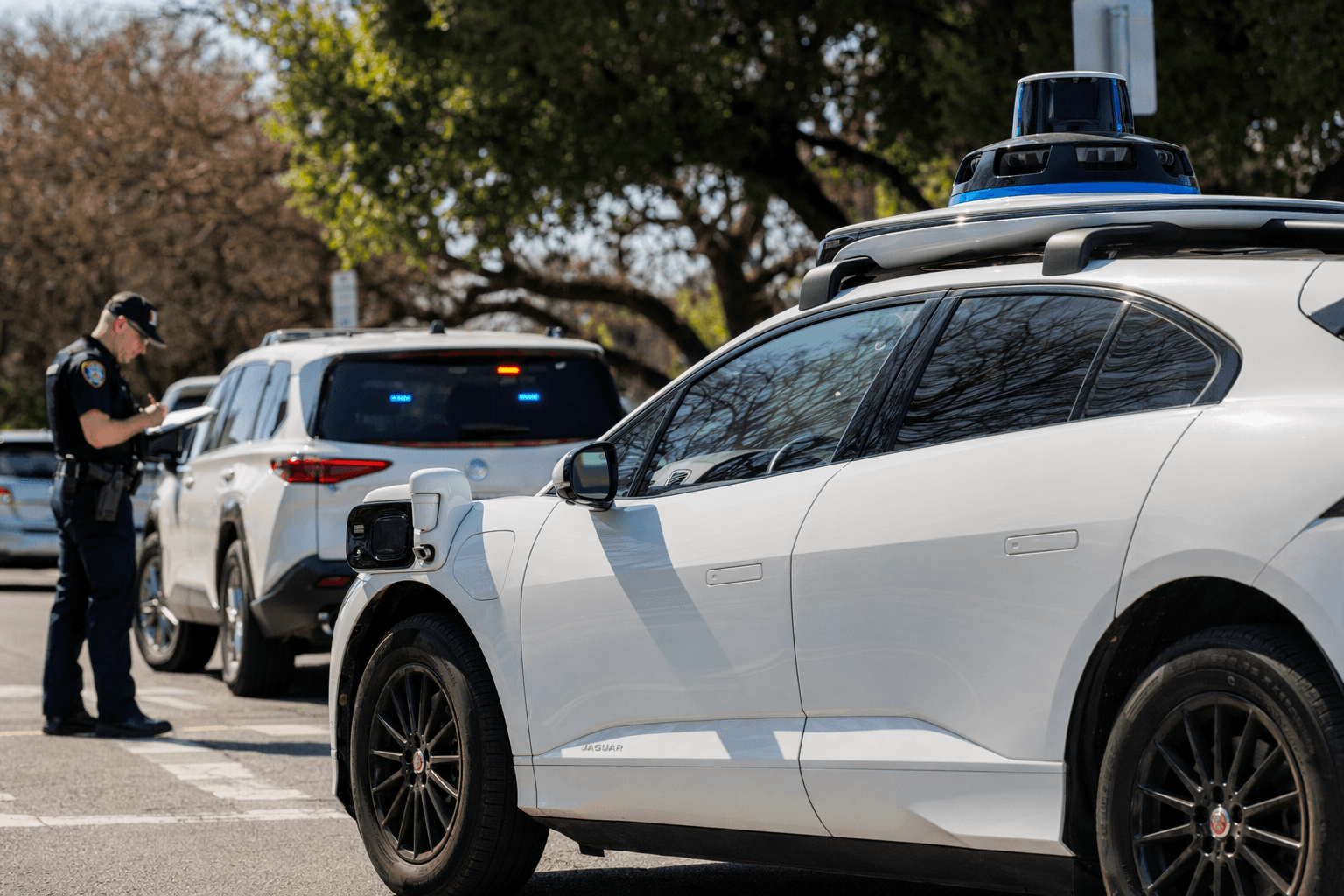
The DMV says the package is the most comprehensive set of autonomous vehicle rules in the country and updates requirements for both light-duty and heavy-duty AVs. The agency has been considering autonomous vehicle testing and deployment since 2013, and the new framework reflects years of workshops, public hearings and comment periods. It also replaces older reporting structures, including annual disengagement reports, with broader data collection, sharing, training and operations requirements.
For the freight and transit industries, the most significant change may be California’s decision to allow heavy-duty autonomous vehicles over 10,001 pounds to test and eventually deploy on public roads. That opens the door to self-driving trucking firms that had been blocked by the state’s long-standing restrictions. Kodiak’s vice president of external affairs, Daniel Goff, said the company was already preparing the documentation needed to apply for a permit.
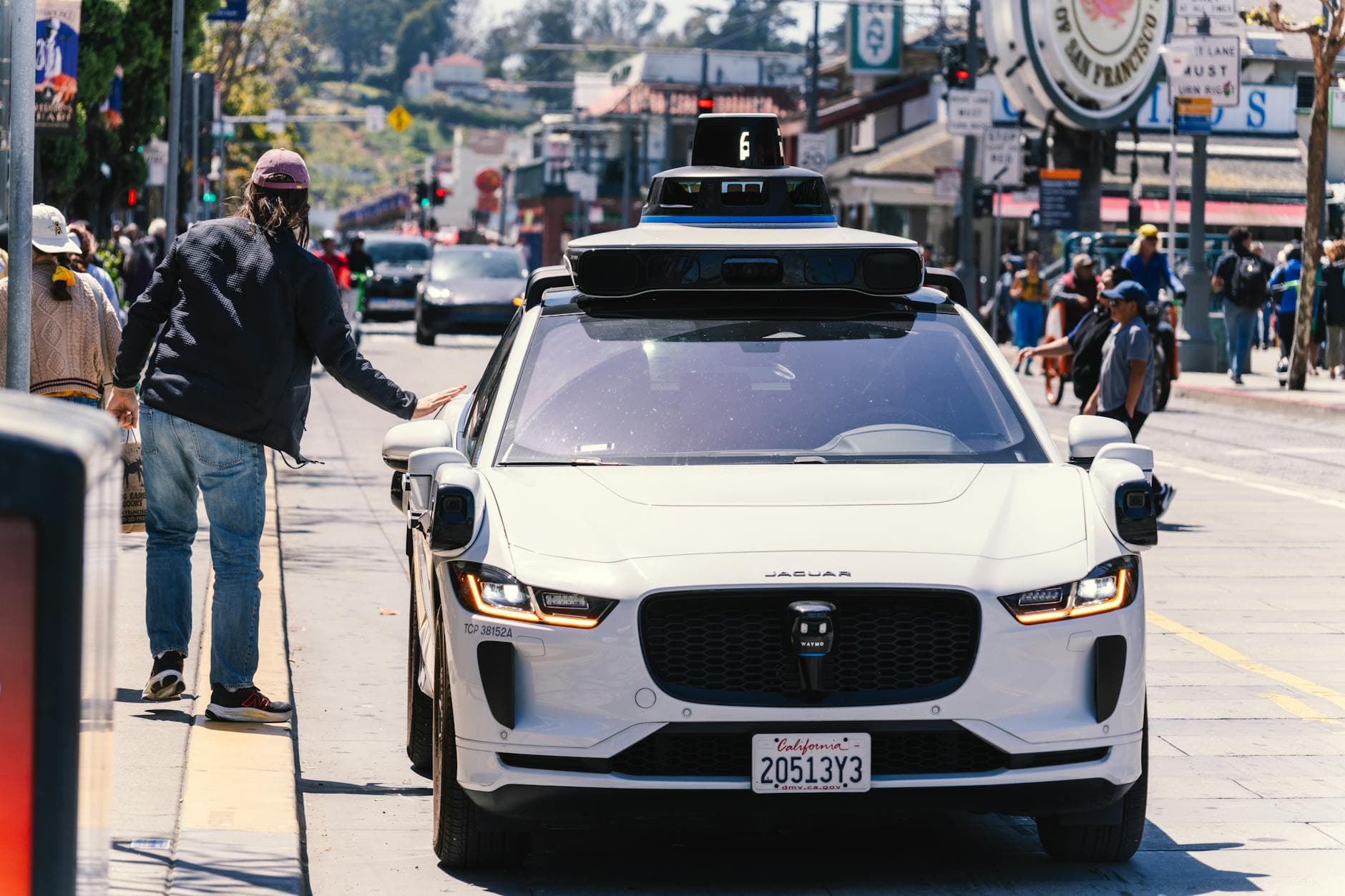
The rules land as robotaxis continue to spread. Waymo already operates driverless taxis in Los Angeles, the Bay Area, Phoenix and Atlanta, and it has been preparing to launch in San Diego around mid-year. Another legislative proposal, SB 1246, would require one remote assistant for every three robotaxis and in-person emergency response within ten minutes, underscoring how quickly California’s policy debate is moving from pilot programs to questions of accountability, staffing and public safety.
This article was produced by Prism’s automated news system from verified source data, official records, and press releases, then run through automated quality and moderation checks before publishing. The system is built and supervised by the people who set the standards it runs under. Read our full AI policy.
Did this article answer your question?