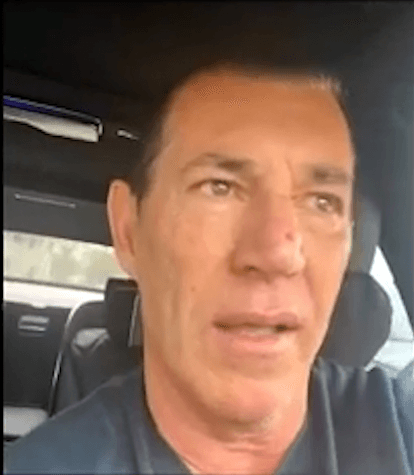
Calocane’s brother says he felt powerless over mental illness ahead of inquiry
Elias Calocane told the inquiry he felt “powerless” over his brother’s illness as it probes missed warning signs before the Nottingham attacks.

Elias Calocane’s testimony pushed the Nottingham Inquiry toward the system failures behind the killings, not just the grief of one family. He told the panel he felt “powerless” over his brother’s illness, a stark account of relatives trying to raise alarm while mental-health care, risk management and communication all failed to stop the violence.
Valdo Calocane stabbed and killed Barnaby Webber and Grace O’Malley-Kumar, both 19, and Ian Coates, 65, in Nottingham city centre on 13 June 2023. He also seriously injured Sharon Miller, Wayne Birkett and Marcin Gawronski. The judge-led statutory inquiry, chaired by Her Honour Deborah Taylor, opened public hearings on 23 February 2026 after the government announced it on 22 April 2025 and laid its terms of reference in Parliament on 22 May 2025. It is due to report within two years, and the inquiry says bereaved families and survivors were closely consulted on its scope.

Those terms are broad enough to reach beyond the killings themselves. The panel will examine Calocane’s risk to others, the emergency response on the day, and allegations of unauthorised access to information by public servants. That focus reflects how the case has become a test of whether warning signs were recognised early enough, whether the public was protected, and whether families were given the information they needed to understand the danger.
Calocane’s family has said the mental health system was “broken” and described the killings as a “tragedy that could have been prevented”. They said they only learned after his sentencing that a psychiatrist had warned in July 2020 that there was a danger he could “end up killing someone”. That warning appeared in a 300-page medical summary the family received only after sentencing, raising sharp questions about how risk was recorded, who saw it and why it did not trigger stronger action.
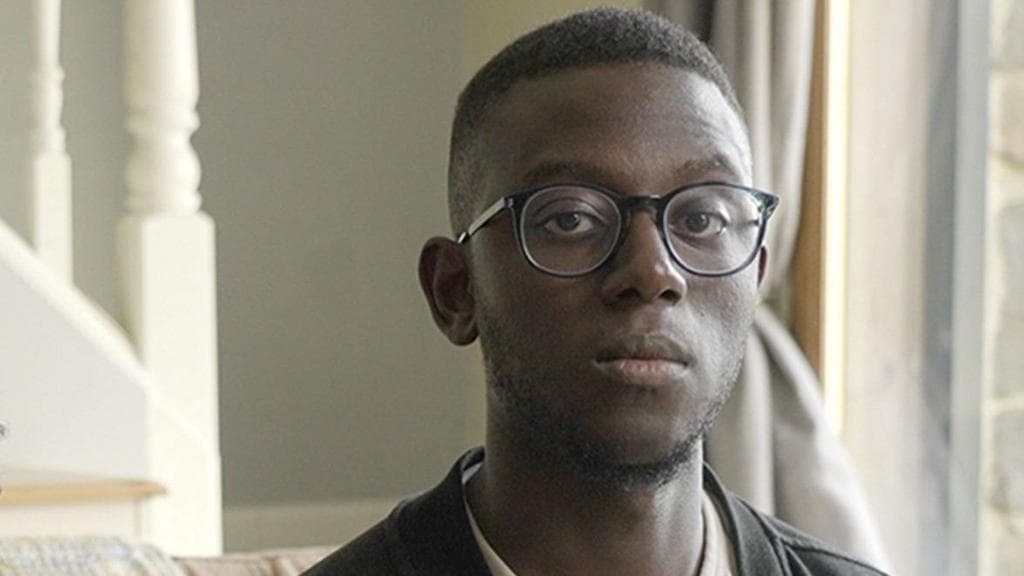
NHS England’s independent homicide report, published on 5 February 2025, found clear failings in Calocane’s care and treatment. NHS England said the system got it wrong and apologised to the victims’ families. With the inquiry now hearing evidence in public, the central issue is whether those failures were isolated or exposed wider weaknesses in how England identifies severe mental illness, shares risk information and responds before a preventable tragedy becomes irreversible.
This article was produced by Prism’s automated news system from verified source data, official records, and press releases, then run through automated quality and moderation checks before publishing. The system is built and supervised by the people who set the standards it runs under. Read our full AI policy.
Did this article answer your question?