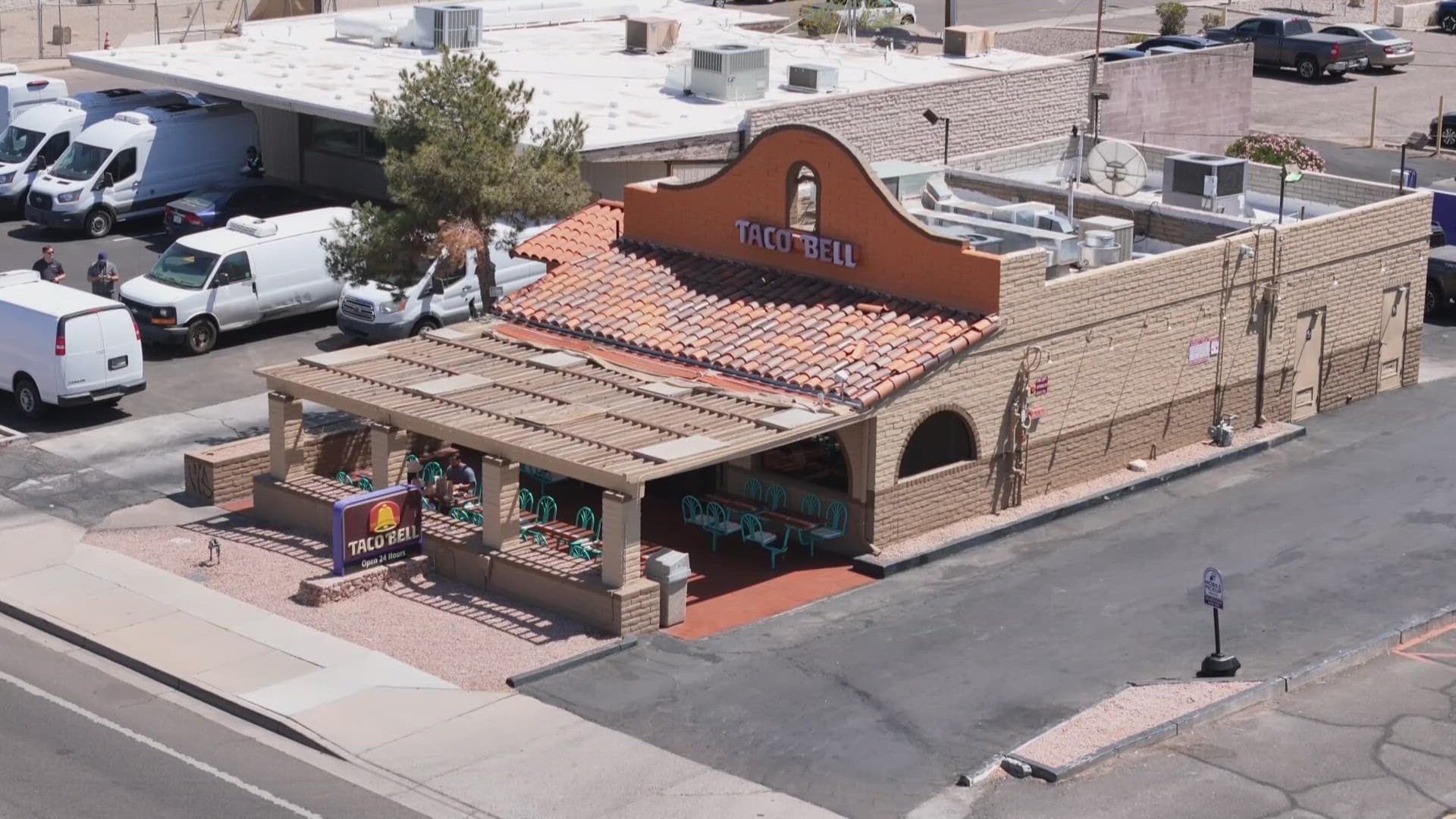
Cal/OSHA adopts indoor heat rule affecting Taco Bell kitchens
Cal/OSHA adopted an indoor heat illness standard that requires protections once workplace temperatures reach 87°F. Taco Bell crew and franchise operators must assess and comply.
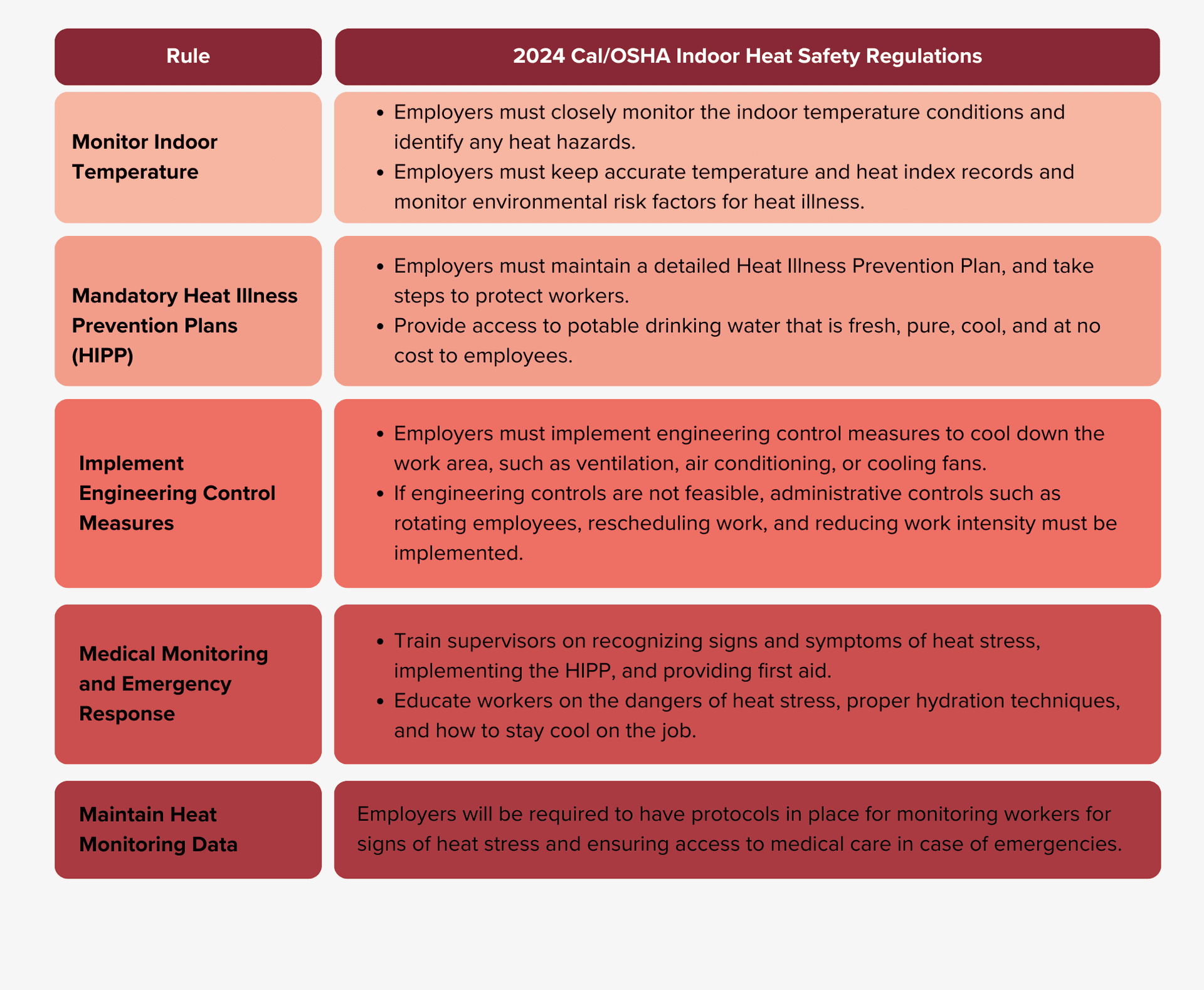
Cal/OSHA has adopted a new regulation, titled Heat Illness Prevention in Indoor Places of Employment (Title 8, section 3396), that requires employers to take defined protective steps when indoor temperatures reach specified triggers. The rule covers most indoor workplaces, including restaurants, warehouses, and manufacturing facilities, and creates clear obligations that will affect Taco Bell kitchens and other fast-food operations where crews work near grills, ovens, and fryers.
The standard’s primary trigger is an indoor temperature of 87°F while employees are present. For indoor work areas where employees wear protective clothing that limits heat removal or where workers are exposed to high radiant heat - such as line positions directly adjacent to grills or ovens - the trigger can be lowered to 82°F. Once those thresholds are met, employers must provide a range of protections focused on cooling, hydration, training, planning, and documentation.
Employer obligations under the regulation include providing accessible cool-down areas kept below 82°F when required, ensuring access to potable water and encouraging frequent drinking, and training both employees and supervisors on heat-illness risks, recognition, and response. Workplaces must conduct assessments, implement control measures, establish emergency response procedures, adopt an acclimatization plan for new or returning staff, and maintain a written heat-illness prevention plan. Employers are also expected to track and document training, corrective actions, and communications to workers.

For Taco Bell locations, these requirements intersect with common operational realities: small kitchen footprints, combined kitchen and dining spaces, variable HVAC performance, and equipment layouts that concentrate radiant heat. Franchisees and operators at the location level are responsible for compliance with workplace safety laws; corporate can play a supporting role by providing guidance, training materials, and communications. Practical responses will likely include measuring indoor temperatures across shifts and stations, reconfiguring equipment or ventilation where feasible, establishing designated cool-down spots for crew, and formalizing hydration and acclimatization routines for new hires and seasonal staffing surges.
Cal/OSHA is offering resources for employers and workers and operates a hotline for questions and confidential complaints. The agency’s guidance and the full regulatory text are available through the California Department of Industrial Relations website. Employers should review the standard, update written plans, and begin documenting training and corrective steps to demonstrate compliance.

For Taco Bell crew members and managers, the rule raises the stakes on routine heat-management practices that previously may have been informal. Expect franchises to adapt through operational changes, training rollouts, and investments in ventilation or temporary cooling measures. Workers should watch for updated site plans, documented procedures, and scheduled training; employers should act promptly to align kitchens and back-of-house areas with the new temperature triggers and recordkeeping expectations.
Sources:
Know something we missed? Have a correction or additional information?
Submit a Tip