Camp Lordsburg Site Built 1942 Held Japanese, Italian and German POWs
Camp Lordsburg near Lordsburg held Japanese resident aliens and later Italian and German prisoners during World War II, a chapter of local history that shapes Hidalgo County's memory and heritage.
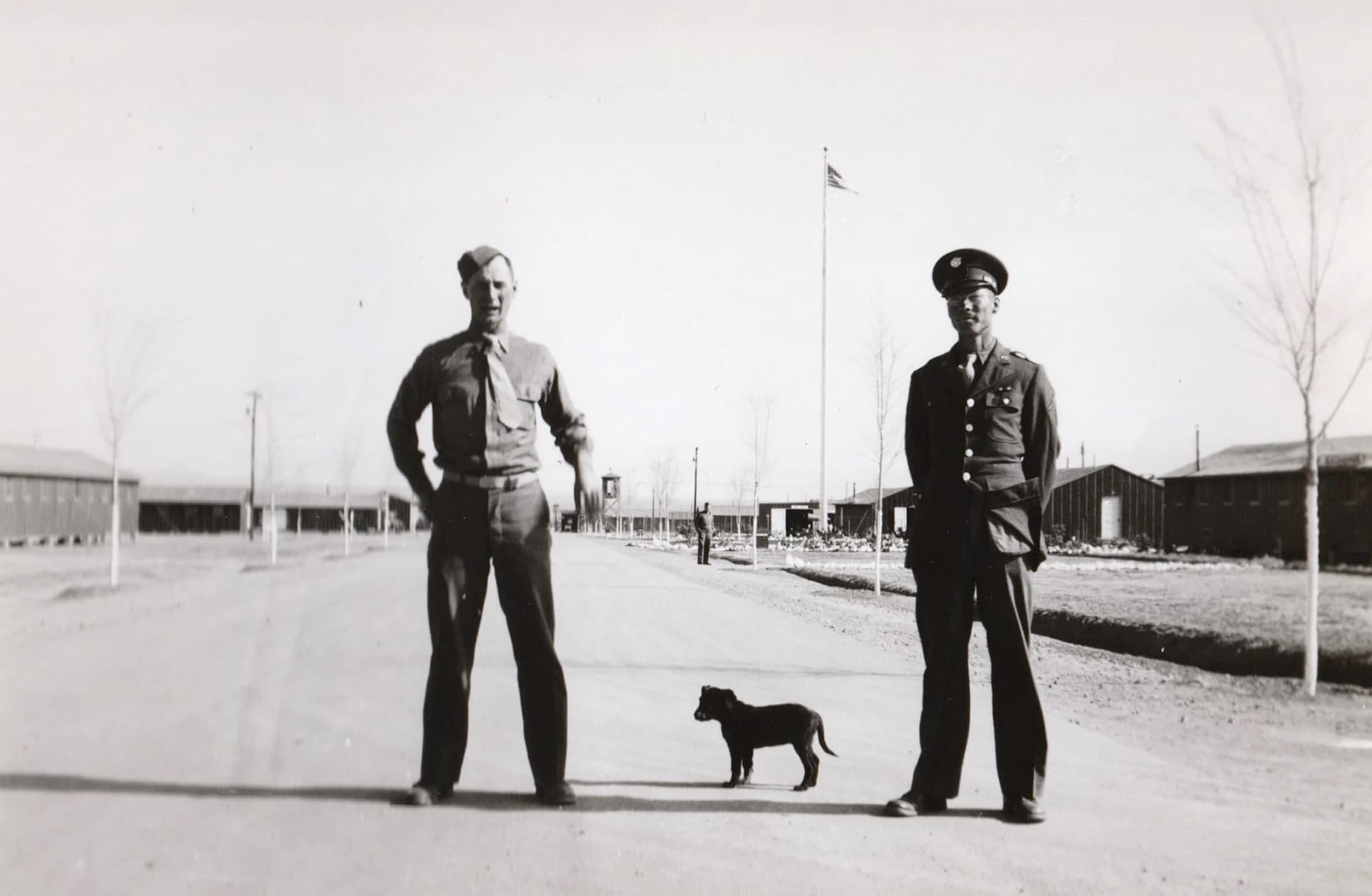
Camp Lordsburg was built in 1942 on roughly 1,300 acres near Lordsburg, New Mexico and served multiple wartime roles that continue to matter to Hidalgo County residents. Initially used as an internment site for Japanese resident aliens, the facility later housed Italian and German prisoners of war. The site's layered history links national wartime policy to this rural border county.
The camp’s creation in 1942 placed a sizable federal presence on the local landscape. At roughly 1,300 acres, Camp Lordsburg was large enough to alter land use patterns and to bring military and civilian personnel into Hidalgo County. That footprint and the camp’s functions are part of the county’s 20th century economic and social story, from temporary employment and supply contracts to the longer term questions of how communities remember difficult episodes.
Internment of Japanese resident aliens and the housing of Axis prisoners reflected federal wartime priorities that played out in local settings. For Hidalgo County, that meant families and institutions close to Lordsburg encountered an influx of outsiders under supervision, and the county later had to reckon with how to interpret those experiences for new generations. The presence of multiple nationalities at the site also highlights how Hidalgo County was linked to global conflict, despite its remote location.

The camp’s history has implications for education, preservation, and local identity. Schools and historical organizations in Hidalgo County can use the Camp Lordsburg story to teach about civil liberties, wartime administration, and the international dimensions of World War II. Preservation advocates and county officials face decisions about marking or interpreting the site for residents and visitors, balancing costs with the value of public memory. Heritage-focused projects can potentially attract visitors and researchers interested in military and social history, though any proposals will need to consider land ownership, access, and community sentiment.
For Lordsburg and Hidalgo County, acknowledging Camp Lordsburg’s past is both a civic responsibility and an economic consideration. Accurate interpretation could strengthen educational programming and modest heritage tourism, while also prompting community conversations about the legacy of wartime confinement. As Hidalgo County plans for its future, the Camp Lordsburg site stands as a tangible reminder that national policy can have long-lasting local consequences.
Sources:
Know something we missed? Have a correction or additional information?
Submit a Tip