Camp Mystic withdraws summer 2026 license bid amid flood backlash
Camp Mystic pulled its summer 2026 license bid after a state warning over flood safety plans. The retreat deepened scrutiny after the 2025 disaster that killed 27 at camp.
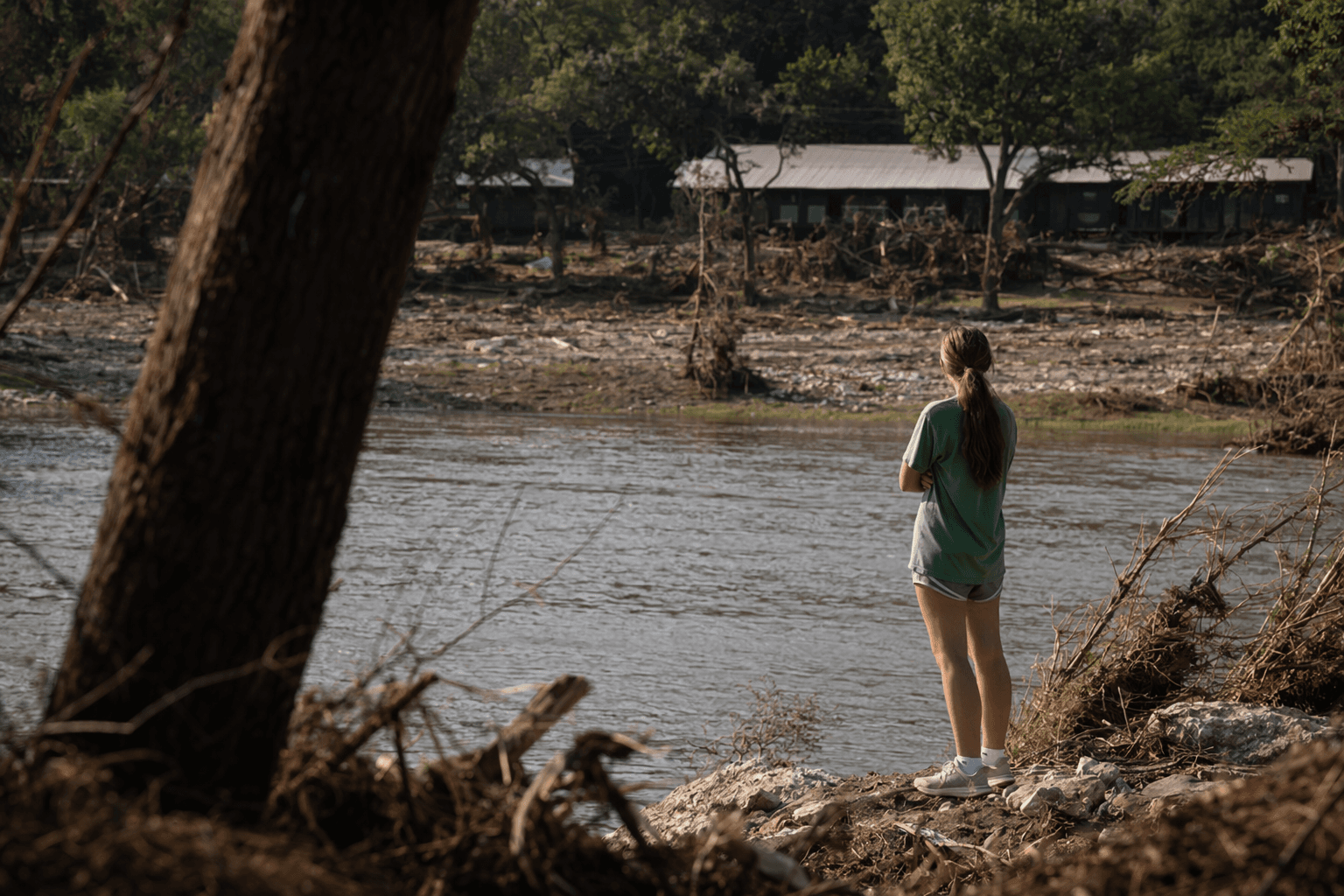
Camp Mystic pulled its application for a summer 2026 camp license after Texas health officials warned the century-old all-girls Christian camp on the Guadalupe River in Hunt that it could be denied permission to operate unless it fixed major emergency-plan deficiencies. The camp told the Texas Department of State Health Services on Thursday that it was withdrawing, a step taken amid grief, investigations and anger over last summer’s deadly flood.
State officials had given the camp 45 days to correct problems that included not marking floodplain locations and not showing enough detail for evacuation during a natural disaster, a flash flood warning or a National Weather Service notice. The warning placed Camp Mystic inside a broader statewide review, with the department saying all 174 camps that submitted emergency plans this year received deficiency notices under new 2025 Texas camp safety laws.
The retreat follows months of scrutiny after the July 4, 2025 flood killed 27 people at Camp Mystic, including 25 campers and two teenage counselors. Richard Eastland, the camp owner, died while trying to evacuate girls. State investigators told lawmakers that Camp Mystic lacked emergency training, had poor communications and delayed evacuation efforts, and that many of the victims might have survived if leadership had acted sooner or had a written evacuation plan. Investigators also described a culture of obedience and said young counselors were left without flood training.
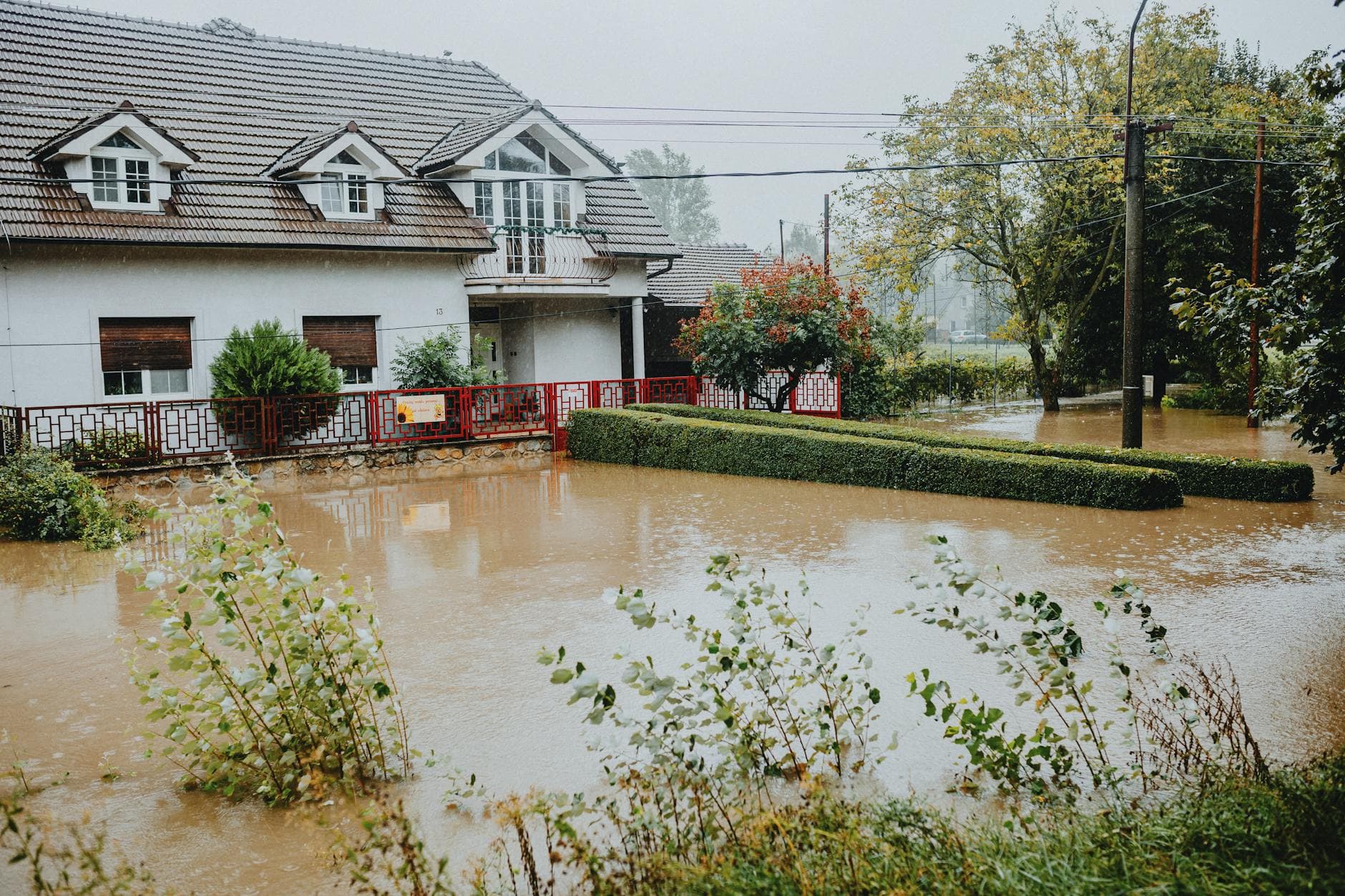
Camp Mystic had previously planned to reopen in late May, using only portions of the property that were not flooded and hosting nearly 900 girls. That plan drew fierce backlash from victims’ families and some lawmakers, who questioned whether the camp could safely resume operations before the legal and safety failures were fully addressed. More than a dozen families have sued the camp and its leaders over the response to the flood.
The legal pressure extends beyond the license fight. A state district judge ordered Camp Mystic not to alter, demolish, repair or remove flood-damaged structures while litigation continues, freezing the camp in place as families press for accountability. The withdrawal now leaves open whether the camp’s absence from the 2026 summer season is a one-year reversal or a sign of deeper legal, safety and financial strain.
For Hunt and the wider Kerr County area, the decision also cuts into a local rhythm shaped for generations by summer campers, staff and visiting families. The July 4 flood killed at least 136 people across the Texas Hill Country, and Camp Mystic’s withdrawal has become another measure of how long the disaster’s public health, emotional and economic damage will last.
This article was produced by Prism’s automated news system from verified source data, official records, and press releases, then run through automated quality and moderation checks before publishing. The system is built and supervised by the people who set the standards it runs under. Read our full AI policy.
Did this article answer your question?

