Can an FA Cup win rescue Chelsea’s turbulent season?
An FA Cup triumph would give Chelsea relief and legitimacy, but it would not erase the ownership tensions and fan distrust that have defined the season.
A trophy cannot settle Chelsea’s deeper argument
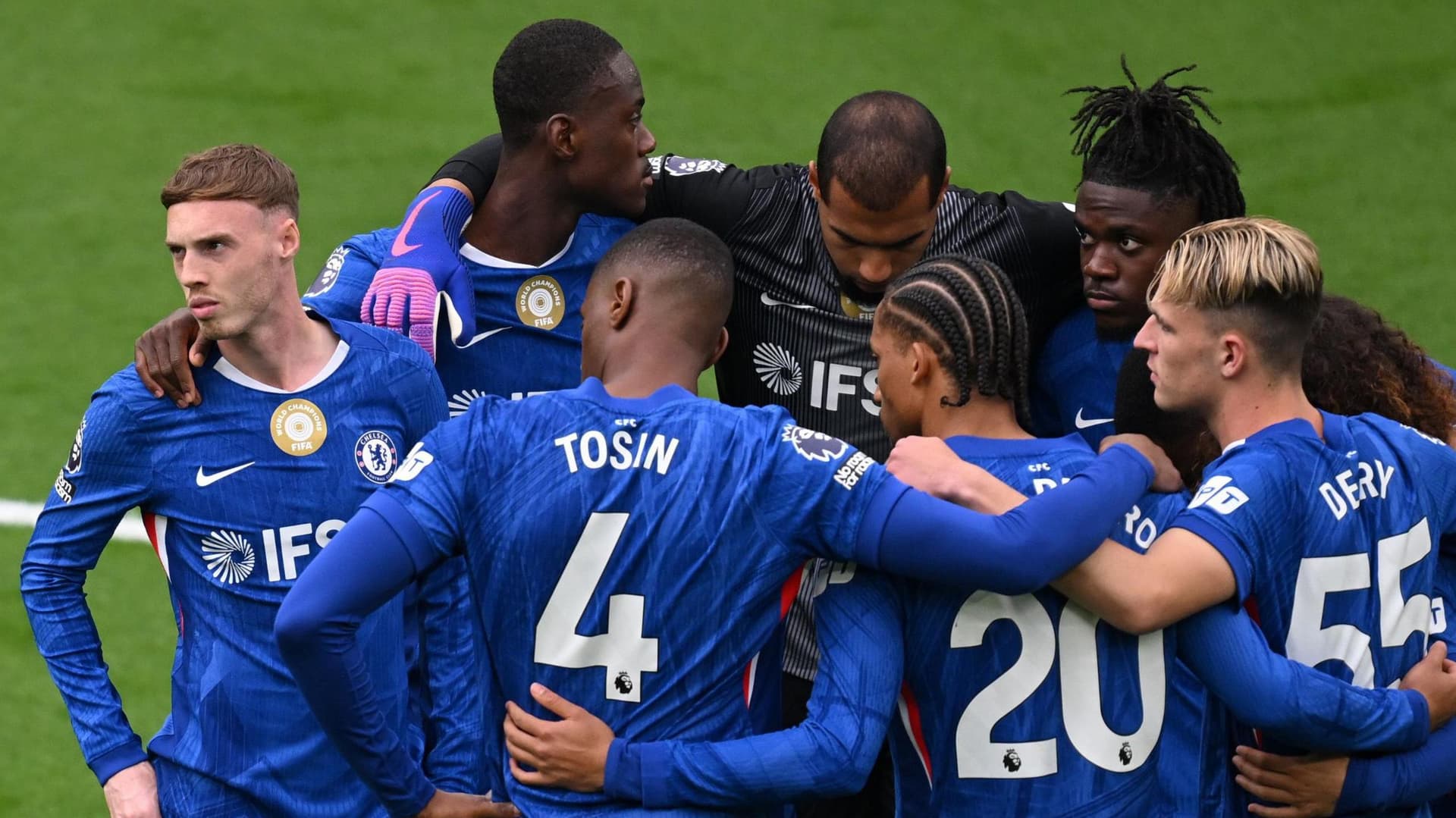
Chelsea arrive at the FA Cup final with far more than silverware on the line. A win would offer a clean, undeniable moment of success, but it would also be tested against a season shaped by managerial turnover, public frustration, and the sense that the club is still searching for a stable identity.
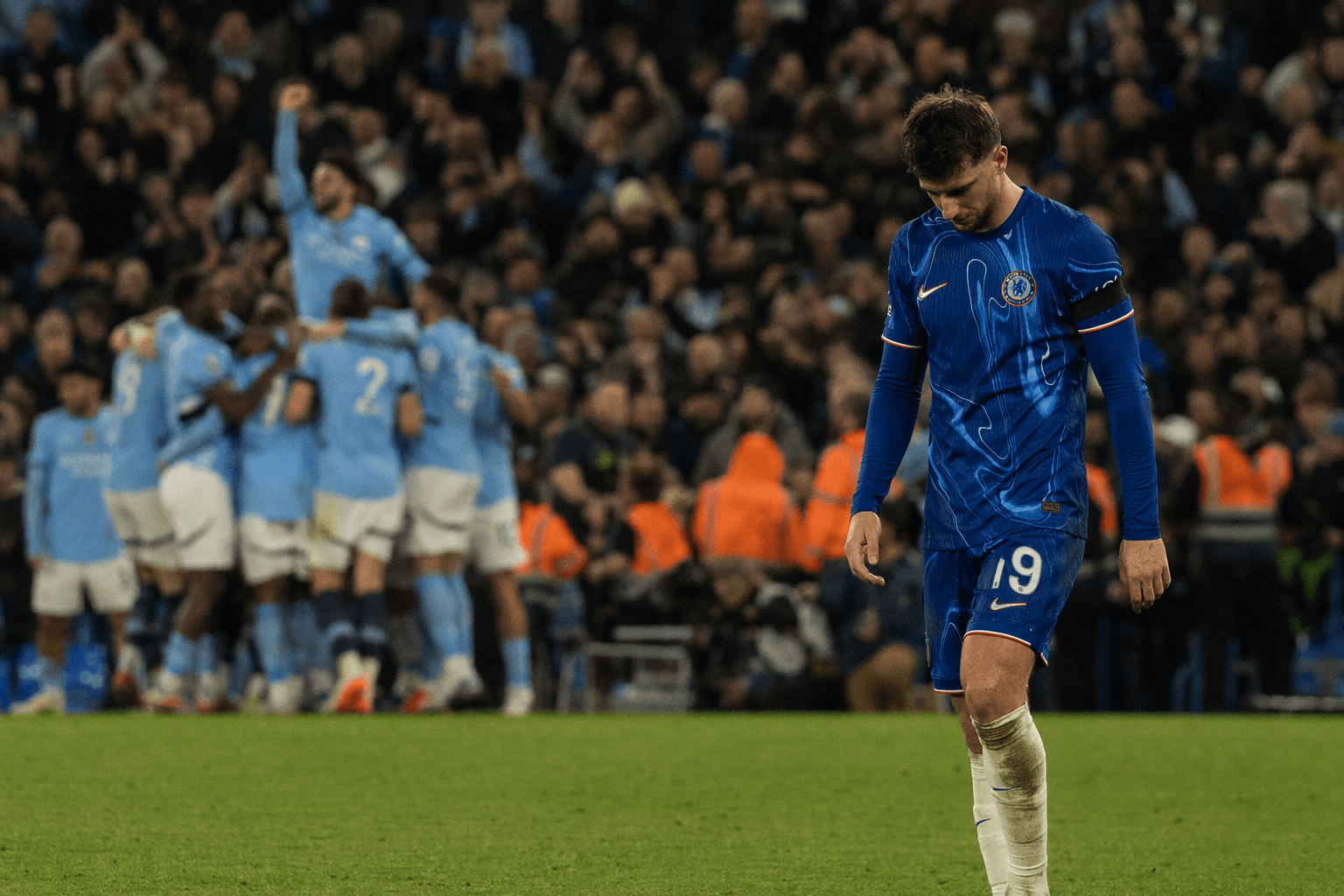
That is why this final feels less like a celebration than a verdict. If Chelsea lift the cup, it will say something real about Enzo Maresca’s ability to steady a volatile squad. It will not, however, automatically answer the harder questions about ownership, recruitment, and whether supporters believe the club is moving in the right direction.
A season defined by change rather than continuity
The instability did not begin in spring. Mauricio Pochettino left Chelsea by mutual consent in May 2024 after only one season, and Enzo Maresca arrived the following month on a five-year contract with an option for a further year. That kind of change at the top is meant to signal a long-term plan, yet it also shows how little patience has existed for a settled project.
The Premier League’s 2024/25 club preview captured the scale of the problem. It said Chelsea had gone seven years without challenging for the title or surpassing 74 points, a striking marker for a club that has spent heavily and still struggles to look fixed from one month to the next. In that context, an FA Cup win would be less a final destination than a temporary proof that the team can still produce under pressure.
The protest outside Stamford Bridge was about more than one result
Supporter anger has spilled well beyond online debate. Ahead of the Southampton match on 25 February 2025, around 150 to 200 fans gathered outside Stamford Bridge to protest against Todd Boehly and Clearlake Capital, making the frustration impossible to ignore. Reports from the scene said supporters chanted “we want our Chelsea back” and sang the name of former owner Roman Abramovich, a sign that the dispute is as much about identity and memory as it is about results.
That matters because a cup run can soften mood, but it cannot erase the mistrust that has built up around the club’s direction. Fans were not only reacting to one poor spell of form; they were voicing concern that Chelsea’s leadership structure and recruitment model have not delivered the coherence promised when the new era began. A trophy may quiet the noise for a while, but it does not rebuild trust by itself.
Why the FA Cup still carries real weight at Chelsea
The competition’s history gives this final extra force. The Football Association’s records place the FA Cup at the center of English football’s story, and Chelsea’s own legacy in the tournament is substantial enough that every run is measured against it. The club last won the competition in 2018, beating Manchester United 1-0 at Wembley through an Eden Hazard penalty, a victory that marked their eighth FA Cup triumph and their first since 2012.
That history is what gives the final its double meaning. On one hand, Chelsea know how to win this trophy and what it looks like when the club is performing with conviction on a major stage. On the other, the six years since that victory have been filled with upheaval, and the gap between past success and present uncertainty makes any current run feel like a test of whether the club still belongs among English football’s most reliable winners.
What a win would really mean, and what it would not
If Chelsea win, the most immediate effect would be psychological. Maresca would have a major trophy in hand, the players would end the season with a defined achievement, and the club could point to a tangible result after months of scrutiny. In a year when public patience has worn thin, that would matter, especially for a manager trying to persuade supporters that a fresh start can still become a coherent project.
But a cup does not fix the mechanics beneath the team. The issues that drove Pochettino’s exit, the appointment of Maresca, and the protest outside Stamford Bridge would still be there when the summer begins. Chelsea would still have to answer whether their ownership model, sporting structure, and recruitment strategy are producing a club that can compete consistently, not just survive one knockout run.
That is the real verdict this final offers. An FA Cup win would be genuine progress only if it becomes the start of stability, not a shield against further scrutiny. Without that follow-through, even a trophy at Wembley would look less like a rescue and more like a brief pause before the same summer arguments resume.
This article was produced by Prism’s automated news system from verified source data, official records, and press releases, then run through automated quality and moderation checks before publishing. The system is built and supervised by the people who set the standards it runs under. Read our full AI policy.
Did this article answer your question?