Canada citizenship rule change triggers surge in archive requests
Canada widened citizenship by descent, but archives are now drowning in requests for family records needed to prove who already qualifies.
Canada’s citizenship reform was meant to widen access, but it has also exposed a practical choke point: proving family lineage on paper. Provincial archives are now fielding surging requests for birth, marriage and historical records as applicants try to show they already qualify for citizenship under the new rules.
Bill C-3 was introduced on June 5, 2025, received royal assent on November 20, 2025, and came into force on December 15, 2025. It removed Canada’s first-generation limit on citizenship by descent in some situations, reversing a rule that had generally confined citizenship by descent to the first generation born outside Canada. Immigration, Refugees and Citizenship Canada says people can check whether they are already Canadian citizens, apply for a citizenship certificate, and search existing Canadian citizenship records.

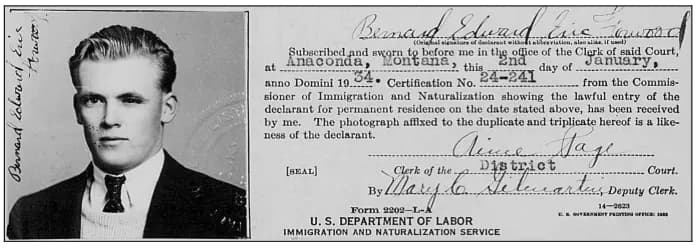
For many families, the legal change has turned into an archival scavenger hunt. Applicants may need long-form birth certificates, marriage records, and older sources such as baptismal or census records to connect each generation to a Canadian ancestor. The government’s guidance also allows missing family-history details to be marked as “unknown” in some cases, but applicants still need enough evidence to establish the lineage that ties them to a Canadian citizen.
The pressure is showing up in provincial repositories. The Provincial Archives of New Brunswick was sifting through a backlog of more than 1,000 requests after the rule change, and staff said they “didn’t see this coming.” In Quebec, BAnQ saw requests for certified copies of vital records jump from 32 in January 2025 to more than 1,000 in January 2026. Nova Scotia archives reportedly received more requests in the first three months of 2026 than in all of 2024.
The Association of Canadian Archivists says the issue has direct implications for archives and workers because those institutions preserve and provide access to records tied to families, communities and legal identity. The broader policy aim of Bill C-3 was to correct the old first-generation limit while preserving citizenship rules for people already recognized as citizens. In practice, the reform has shifted the burden from the law itself to the paper trail behind it, and that trail is often slow, incomplete or locked in archives already under strain.
This article was produced by Prism’s automated news system from verified source data, official records, and press releases, then run through automated quality and moderation checks before publishing. The system is built and supervised by the people who set the standards it runs under. Read our full AI policy.
Did this article answer your question?

