Canada picks Saab early warning planes to boost defense autonomy
Canada chose Saab’s GlobalEye over Boeing’s Wedgetail, betting on faster delivery, lower risk and more domestic industrial payoff.

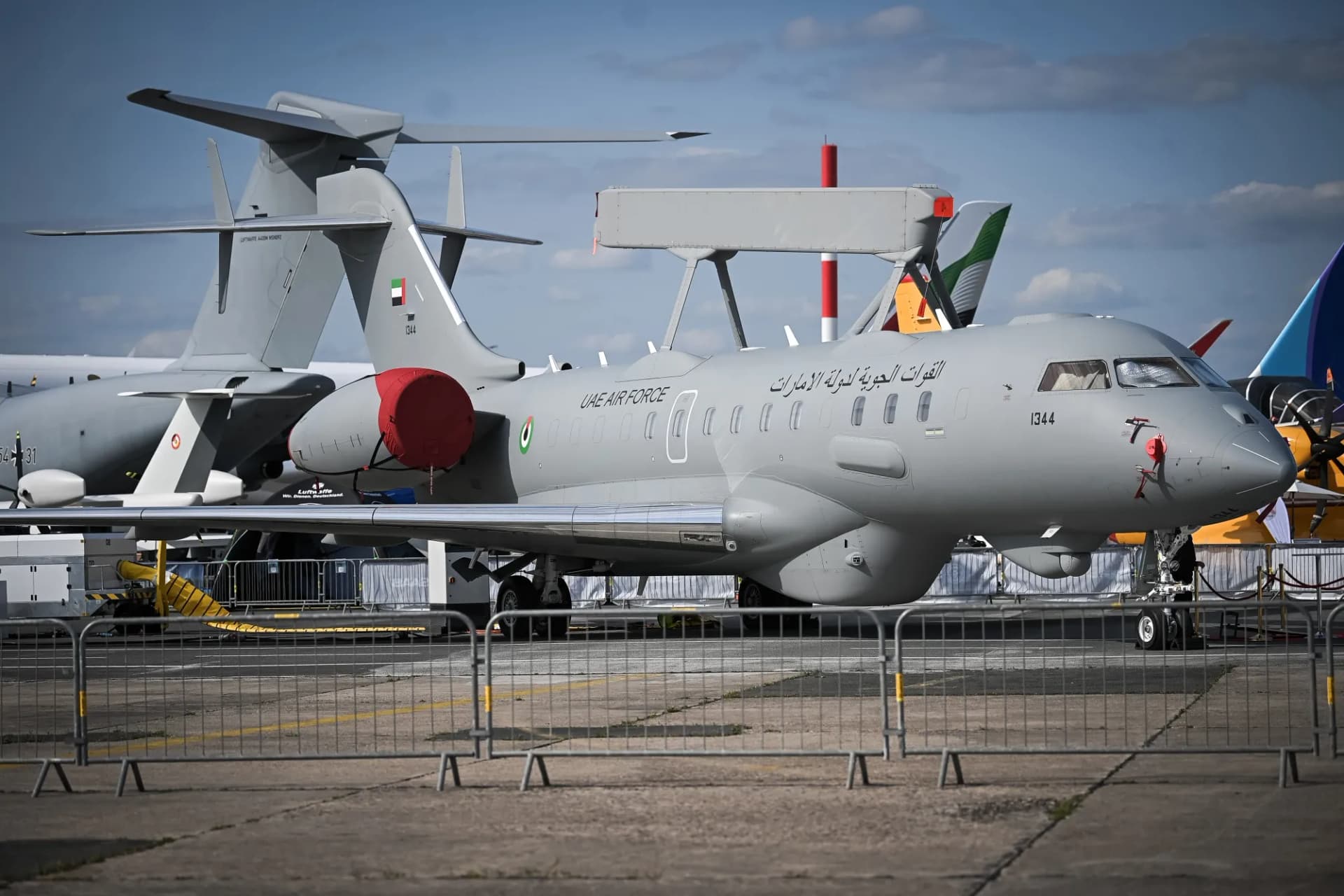
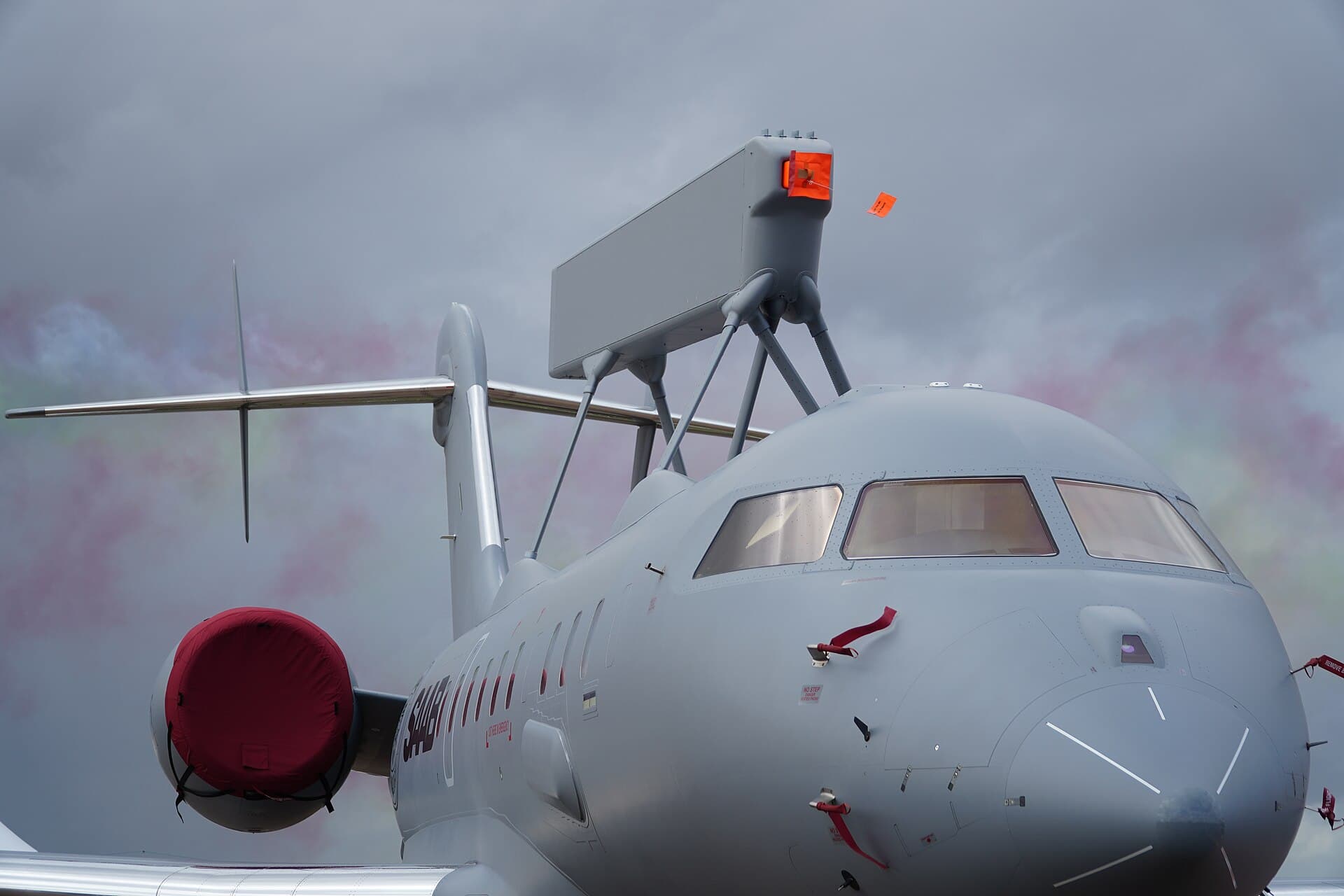
Canada is turning to Sweden’s Saab for its next fleet of early warning aircraft, choosing the GlobalEye over Boeing’s competing E-7 Wedgetail in a move that says as much about industrial policy as it does about air defense. The decision gives Ottawa a way to strengthen surveillance capabilities while signaling that Canada wants more room to maneuver beyond U.S. suppliers.
Prime Minister Mark Carney announced the selection at a defense conference in Ottawa, saying the GlobalEye would build Canadian strategic autonomy, create Canadian jobs and reinforce Canada’s position as a global leader. The aircraft is built on Bombardier’s Global 6500 business jet, giving the deal a domestic aerospace angle that will resonate in a country eager to support its own high-value manufacturing base.

Boeing’s E-7 had been in the running, but the program has faced delays and cost overruns, raising doubts in Ottawa about schedule risk and long-term value. Carney did not give a final fleet size or contract value, though military officials had previously said Canada was looking for six aircraft. Saab said it expected any agreement to include research and development work in Canada, adding another incentive for a government trying to anchor defense spending at home.
The political reading was immediate. Swedish Prime Minister Ulf Kristersson welcomed the choice on social media and said it brought the two countries closer together. For Ottawa, the decision also lands at a moment when Canada is under sustained pressure from Washington and other NATO allies to spend more on defense and move closer to alliance targets. Carney’s government has already laid out plans to increase military spending, but the choice of platform shows that how Canada spends matters almost as much as how much it spends.
The timing is especially notable after the United States imposed tariffs on key Canadian imports. Carney then asked the military to review whether Canada should trim a separate F-35 purchase and buy some planes elsewhere, a sign that procurement is now part of a wider effort to reduce vulnerability to U.S. leverage. In that context, the Saab deal is not just about airborne radar and command systems. It is a hedge against overdependence, a boost for Canadian industry and a quiet declaration that alliance partners are no longer the only place Ottawa wants to look.
This article was produced by Prism’s automated news system from verified source data, official records, and press releases, then run through automated quality and moderation checks before publishing. The system is built and supervised by the people who set the standards it runs under. Read our full AI policy.
Did this article answer your question?