Canada restricts Texas livestock after second screwworm case surfaces
A second infected calf in Texas triggered a Canadian livestock restriction just as Greg Abbott declared a disaster over the outbreak. The parasite can kill animals within days.
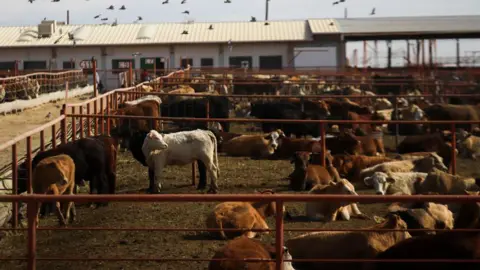
Canada moved to block Texas livestock after a second New World screwworm case surfaced in the state, sharpening concern over a parasite that can devastate herds, disrupt cattle movement across the border and threaten a food system built on fast, frictionless trade.
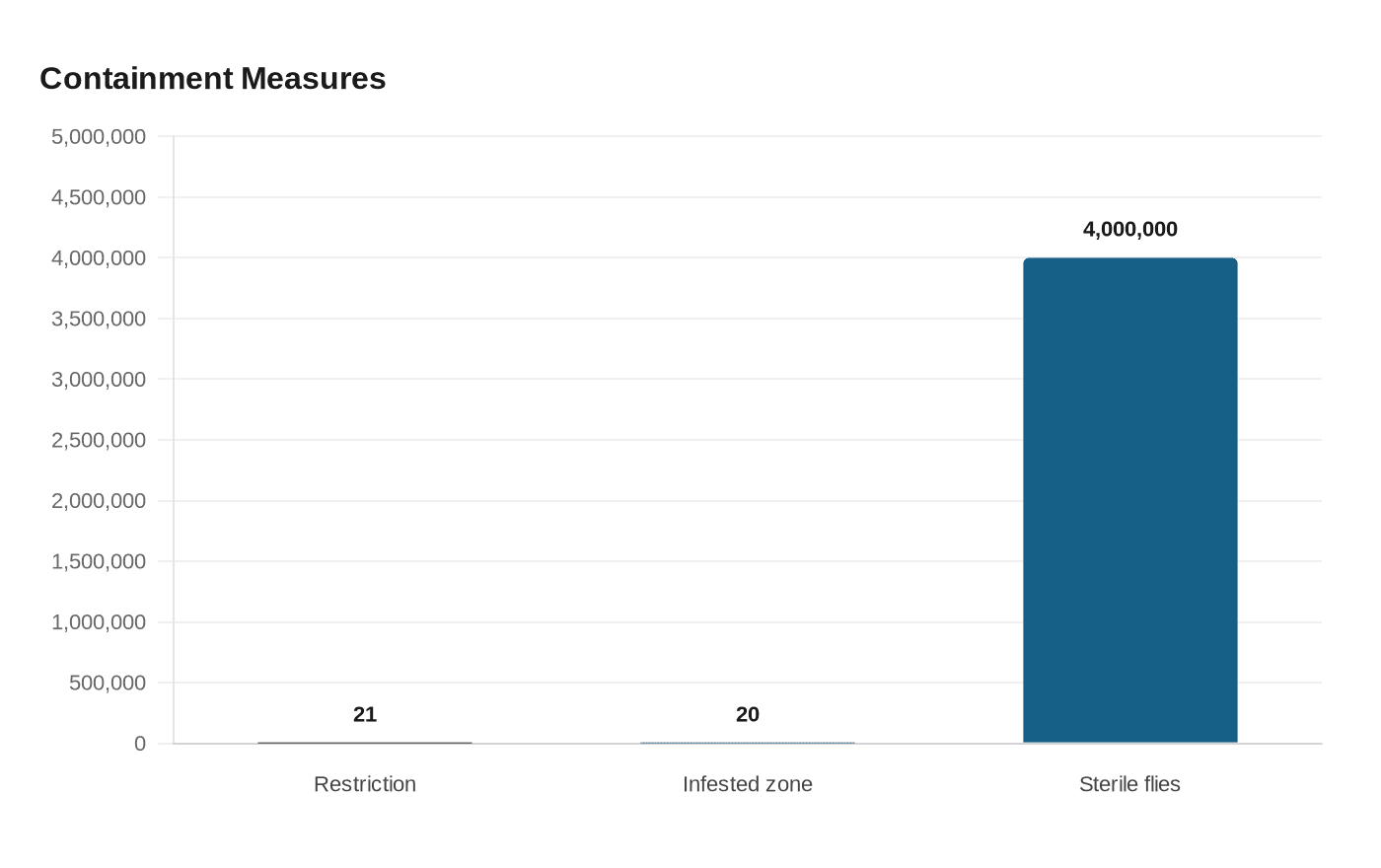
The Canadian Food Inspection Agency said it was temporarily restricting livestock from Texas, and animals that had been in Texas within 21 days of crossing into Canada would not be allowed entry. The agency said screwworms are not established in Canada and cannot survive winter temperatures, but it called the restriction a precaution while it works with U.S. officials to keep the pest from spreading north.
The first U.S. detection was confirmed June 3 in a 3-week-old calf in Zavala County, Texas, with larvae found in the animal’s umbilical area. By June 5, Texas reported a second confirmed infected calf, and Gov. Greg Abbott declared a state of disaster over the outbreak’s imminent threat. The rapid sequence of detections has raised alarms because the pest had been eradicated from North and Central America by the mid-2000s, only to spread again in Mexico since 2024.

New World screwworm is feared because its larvae burrow into the flesh of living animals, causing severe injury, infection and economic losses. The parasite can affect livestock, pets, wildlife, birds and, more rarely, people. Texas A&M AgriLife said the state had entered a period of heightened awareness and coordinated response, warning that untreated infestations can cause serious injury or death within days.
Federal officials said they were responding with a containment ring around the Texas case. The U.S. Department of Agriculture established a 20-km infested zone, imposed quarantines, movement controls and surveillance, and began targeted sterile fly releases. USDA said 4 million sterile flies a week were already being released aerially in the area, part of a long-running eradication strategy meant to interrupt breeding. The National Veterinary Stockpile also stood ready to assist.
The Canadian restriction adds another layer of pressure to cross-border cattle markets at a moment when ranchers are watching both animal health and trade access. Texas and federal officials have moved quickly, but the speed of the second detection underscored how fragile the containment effort remains. With Mexico already battling the pest and livestock flows across North America tightly linked, the outbreak now carries national agricultural stakes well beyond a single Texas ranch.
This article was produced by Prism’s automated news system from verified source data, official records, and press releases, then run through automated quality and moderation checks before publishing. The system is built and supervised by the people who set the standards it runs under. Read our full AI policy.
Know something we missed? Have a correction or additional information?
Submit a Tip