Canada tests RNA-based mosquito control as West Nile risk rises
Manitoba scientists are feeding mosquitoes RNA pellets to stop them breeding as Canada logged 295 West Nile cases and nine deaths in 2025.

Canada is heading into mosquito season with a sharper public-health calculation: how to suppress the insects that spread disease without leaning harder on broad pesticide use. In Manitoba, that means testing RNA-based control in the lab at the same time Canada’s seasonal West Nile surveillance is already watching for another bad summer.
At the University of Manitoba, Steve Whyard is studying yellow fever mosquitoes in a lab cage and feeding them pellets containing RNA cocktails designed to switch off genes linked to sperm production in males and female development in larvae. The goal is either to release sterile males or to stop females from reaching adulthood, then push local mosquito numbers down over time. That matters because only female mosquitoes bite, which means interventions that interrupt reproduction can have an outsized effect on transmission.
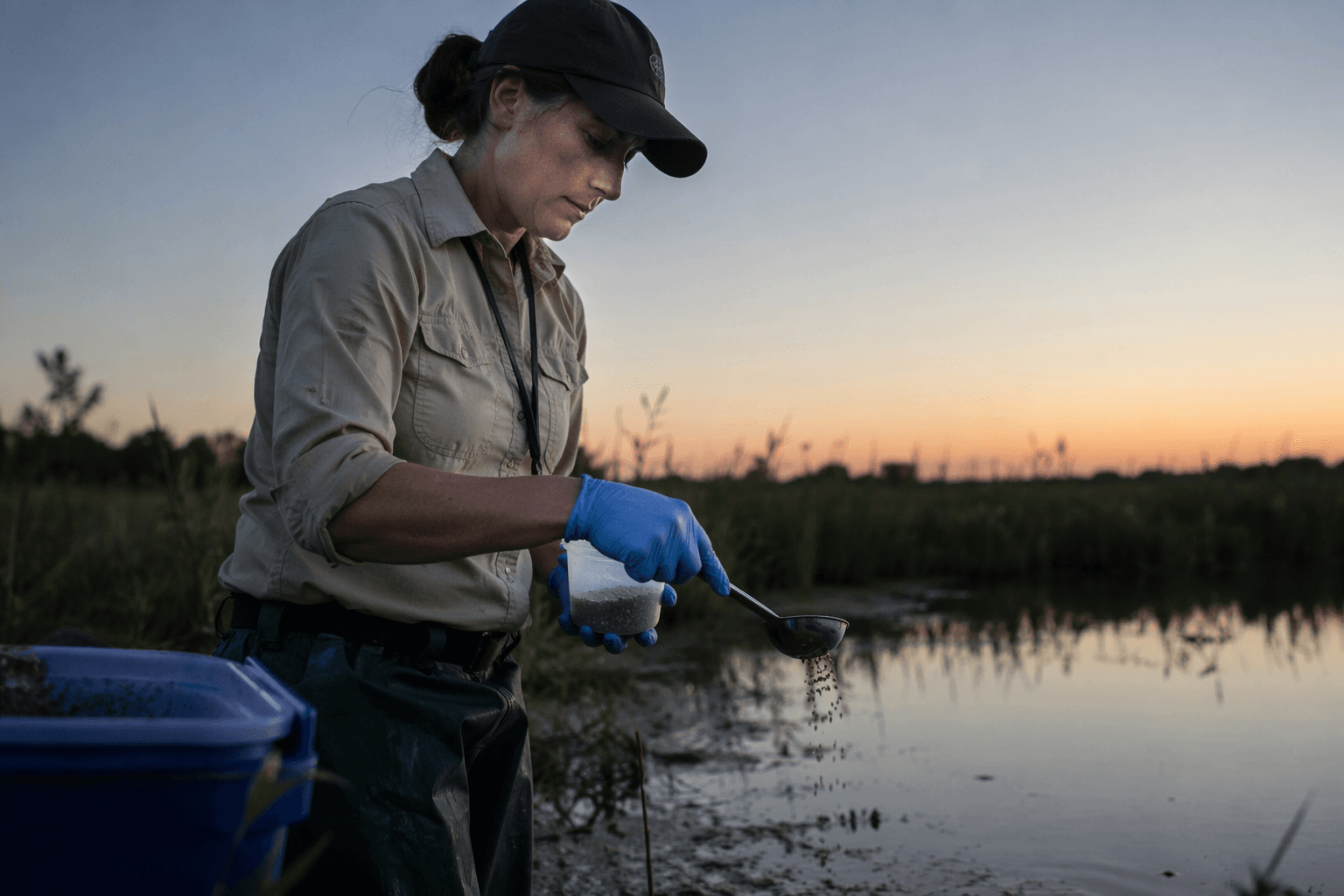
The strategy is still experimental. Manitoba’s day-to-day control system remains much more conventional: permanent mosquito traps are set up in 21 community areas in southern Manitoba to track Culex tarsalis, the province’s main West Nile carrier, and public health officials use those readings to decide when and where to act. Manitoba’s 2025 weekly update showed three confirmed human West Nile cases, one probable case, 148 positive Culex tarsalis pools, 28 positive birds and two positive horses at that point in the season. The province says human cases have ranged from zero in 2010 and 2011 to 588 in 2007, while positive mosquito pools have ranged from zero in 2011 to 948 in 2007.

The national backdrop is worse than a routine nuisance. The Public Health Agency of Canada says mosquito-borne disease surveillance runs through West Nile season, from mid-April to November, and that warmer temperatures and expanding mosquito habitats are increasing risk. Canada’s 2025 seasonal update reported 295 West Nile cases among residents infected in Canada, and Health Canada reported nine deaths. The agency’s surveillance also follows a One Health approach, linking human, animal and environmental health as vector ranges move.
The pressure is not confined to Canada. The Pan American Health Organization said the Health Security Working Group for the 2026 FIFA World Cup was established in 2023 and includes Canada, Mexico, the United States and FIFA representatives, while U.S. and Mexican authorities are expanding mosquito surveillance in host cities. Climate change, deforestation and shifting habitats are also widening the range of the Asian tiger mosquito, which can carry yellow fever, dengue, Zika, West Nile and chikungunya. For scientists and health officials, the stakes are becoming clearer: mosquito control is shifting from blanket spraying toward more precise tools, but the race to deploy them is still running against a warming climate.
This article was produced by Prism’s automated news system from verified source data, official records, and press releases, then run through automated quality and moderation checks before publishing. The system is built and supervised by the people who set the standards it runs under. Read our full AI policy.
Did this article answer your question?