Canada weighs joining global fighter jet program after Tokyo talks
Canada is studying GCAP after Tokyo talks, testing a fighter program that could pull Ottawa toward deeper ties with Japan, Britain and Italy.
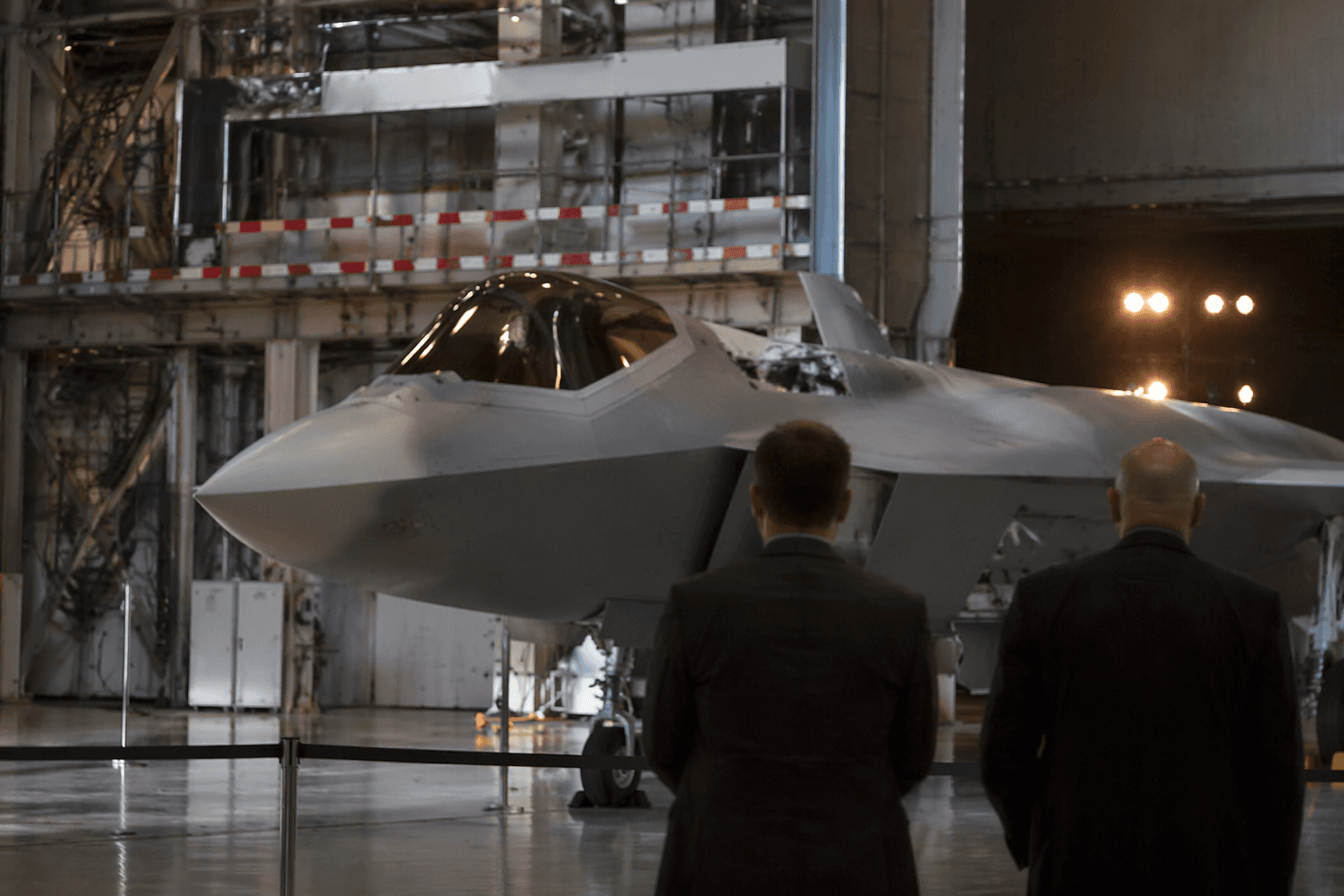
Canadian Defence Minister David McGuinty said in Tokyo on Thursday that he discussed the Global Combat Air Programme with Japanese Defence Minister Shinjiro Koizumi, putting Canada’s interest in the next-generation fighter project into public view for the first time. McGuinty called GCAP a “promising initiative” and said he would take the details back to his team for review.
The meeting matters because it points beyond courtesy diplomacy. A Canadian role in GCAP would signal that Ottawa is looking harder at how to spread risk, secure industrial work and build interoperable air power with partners outside its traditional procurement lane. It would also show that Canada is weighing how to position itself in a security environment shaped by Russia, North Korea, Iran and China, while NATO allies press for higher spending and closer coordination.
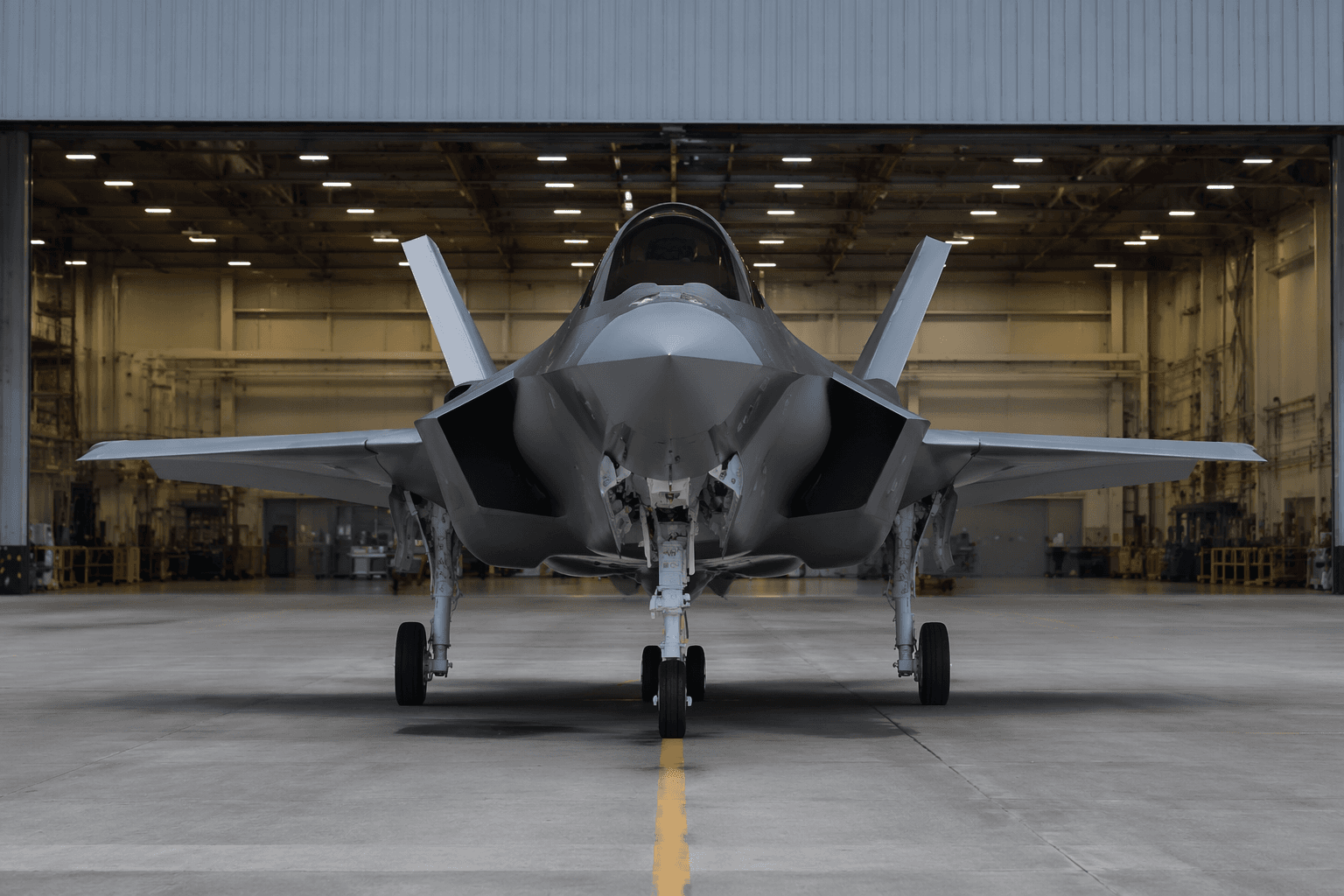
Canada already has a settled fighter plan on paper: the government says it will buy 88 advanced F-35A aircraft under the Future Fighter Capability Project, and Ottawa confirmed the F-35A selection on January 9, 2023. That program sits inside Canada’s wider defence policy, Strong, Secure, Engaged, a 20-year plan that ties modernization to sovereignty, NORAD and NATO commitments. Any look at GCAP therefore raises a strategic question, not just a procurement one: whether Canada wants to remain on a U.S.-centered path or diversify its industrial and strategic partnerships.
GCAP itself was launched in 2022 by Japan, the United Kingdom and Italy, and the three governments formalized the effort with a treaty signed on December 14, 2023. Their joint statement set an ambition to field a next-generation stealth fighter by 2035, with work divided in proportion to each country’s financial and technical contribution while preserving equal partnership. Japan’s defence ministry says the program is meant to complete joint development of the next-generation fighter by 2035.
McGuinty’s Tokyo stop was tied to a broader Canadian defense trade mission, not only fighter talks. Canada’s defence department said he had just led a delegation that met Japanese and Canadian businesses and hosted a defence roundtable focused on industrial partnerships in defence, aerospace, critical minerals and advanced technologies. The department said it was the first time a Canadian defence minister, alongside the international trade minister, had led such a mission to Japan.
The timing is notable as NATO members tighten their spending commitments. At the 2025 Hague Summit, allies agreed to spend 5% of GDP annually on core defence and defence- and security-related spending by 2035. Against that backdrop, Canada’s interest in GCAP reflects a broader shift in defence planning: not just buying aircraft, but deciding which alliances, supply chains and technology partnerships will shape the next generation of military power.
This article was produced by Prism’s automated news system from verified source data, official records, and press releases, then run through automated quality and moderation checks before publishing. The system is built and supervised by the people who set the standards it runs under. Read our full AI policy.
Know something we missed? Have a correction or additional information?
Submit a Tip