Cannes 2026, Hollywood stays away as queer cinema and AI dominate
Hollywood stayed on the sidelines at Cannes 2026, leaving room for queer and international films while AI became the industry’s loudest fight.
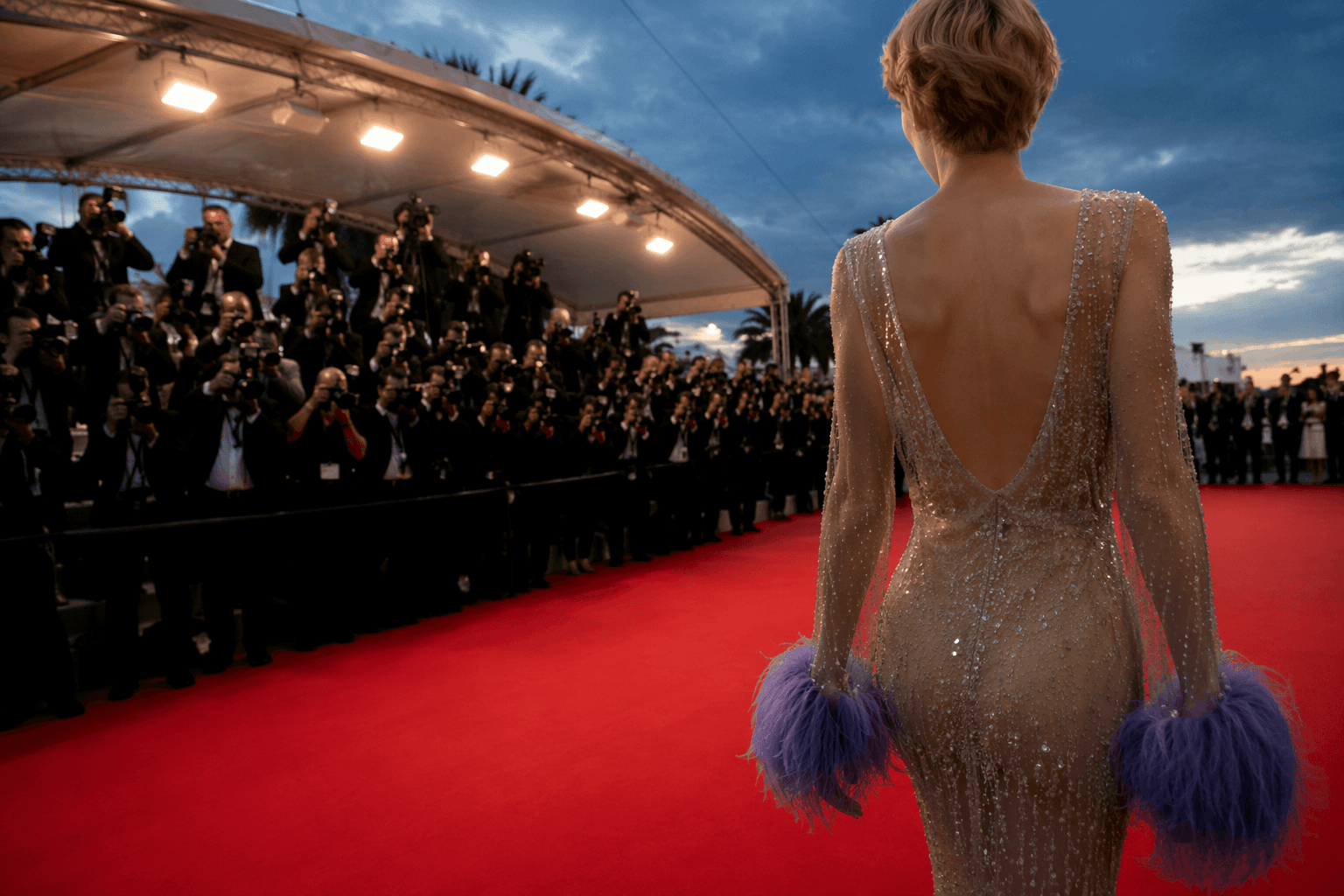
Cannes 2026 felt less like a Hollywood coronation than a reckoning. Major U.S. studios stayed away from the Croisette, and that absence changed the festival’s balance of power, leaving 22 films to compete for the Palme d’Or in a field that looked broader, more international and less controlled by the American studio system.
The 79th Cannes Film Festival ran from May 12 to May 23 on the French Riviera, with Park Chan-wook serving as jury president, the first Korean filmmaker to hold that post in Cannes history. Festival organizers had unveiled the official selection in Paris on April 9, setting up a competition that was already expected to be different. By the time the awards ceremony closed the festival at the Palais des Festivals on May 23, the dominant story was not a star-driven takeover from Hollywood, but a quieter and more dispersed contest shaped by arthouse films, independent producers and a thinner studio presence.
That retreat mattered. The absence of big studio contenders left the competition wide open and gave greater room to films outside the usual commercial pipeline. Cannes 2026 also drew notice for a stronger queer-cinema presence, a sign that prestige attention was shifting toward stories and filmmakers that have often struggled for the same level of institutional backing as studio releases. In a year with fewer stars and fewer breakout movies, the festival’s center of gravity moved toward international and indie titles that could command attention without blockbuster marketing.
The conversation off-screen was just as revealing. Thierry Frémaux and thousands of French actors and filmmakers warned about AI’s effects on the film industry, pushing the issue from abstract fear into a concrete fight over creative control, labor and business models. That debate gave Cannes a sharper political edge, because the dispute was not only about what AI might do someday, but about how quickly it was already reshaping production, authorship and bargaining power across cinema.
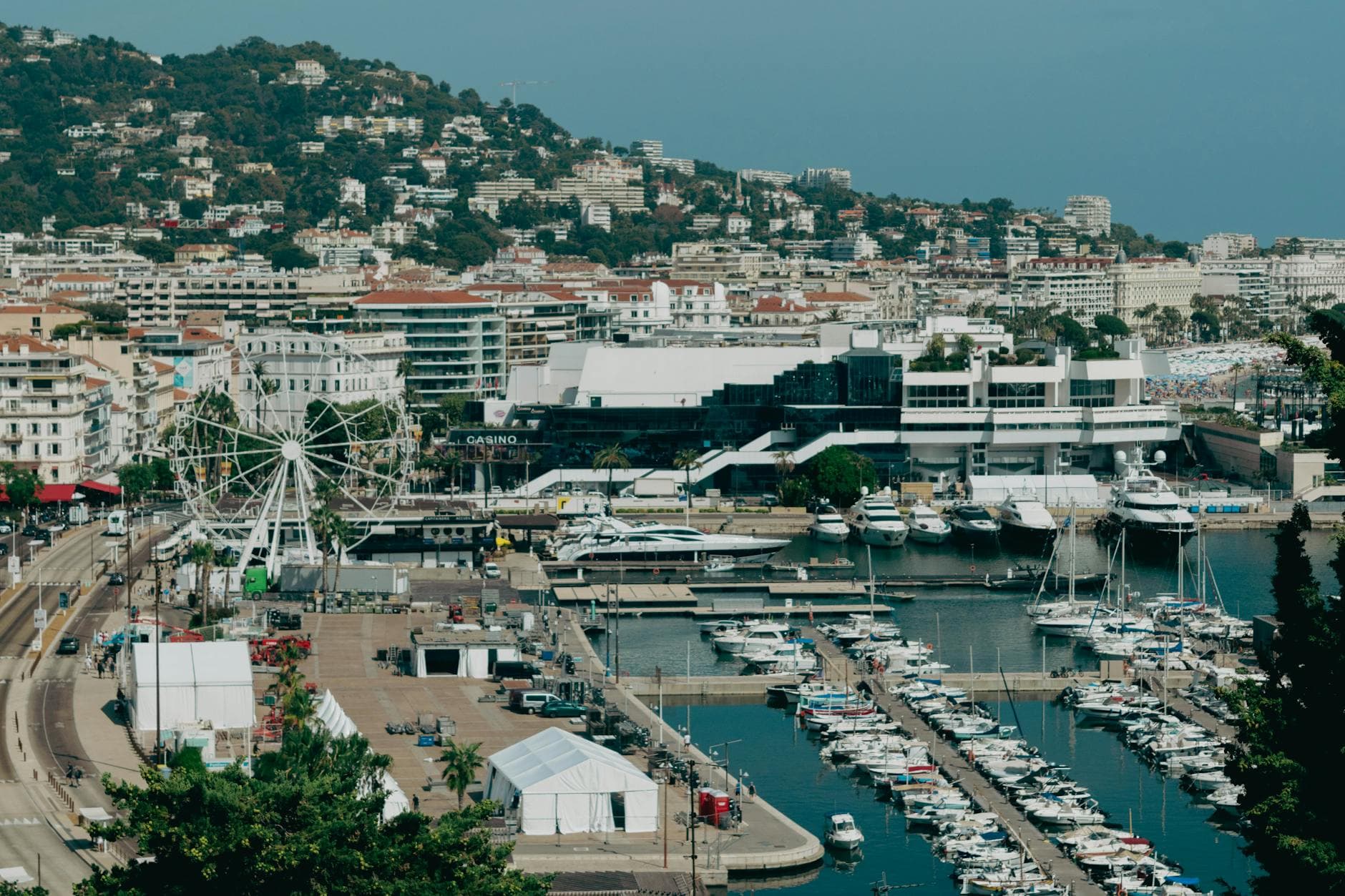
Cristian Mungiu’s Palme d’Or win for Fjord underscored the point. It was his second Palme d’Or, another sign that Cannes still rewards serious international auteurs even as Hollywood’s hold loosens. For a festival long associated with glamour and studio prestige, Cannes 2026 looked more like a barometer for a changing industry, one where queer and international cinema gained ground just as AI moved to the center of the fight over who gets to make films, and on what terms.
Know something we missed? Have a correction or additional information?
Submit a Tip