Cannes confronts AI’s role in filmmaking as debate intensifies
Cannes turned AI into a labor fight, as filmmakers split over whether it is a tool, a threat to jobs, or a claim on authorship.
At Cannes, artificial intelligence was no longer a side issue. The 79th Festival de Cannes turned the movie business’s anxieties into a public test of where filmmakers will draw the line between creative assistance and creative replacement.
The debate sharpened around Steven Soderbergh’s documentary John Lennon: The Last Interview, where he used Meta AI tools to generate surreal imagery around Lennon’s final interview. The reaction was sharply divided, with many at Cannes objecting to the AI elements even as Soderbergh defended the experiment as a way to test the boundary rather than guess at it from afar. His film captured the central tension running through the festival: whether AI belongs in production as another tool, or whether it crosses into the theft of labor, authorship and artistic control.
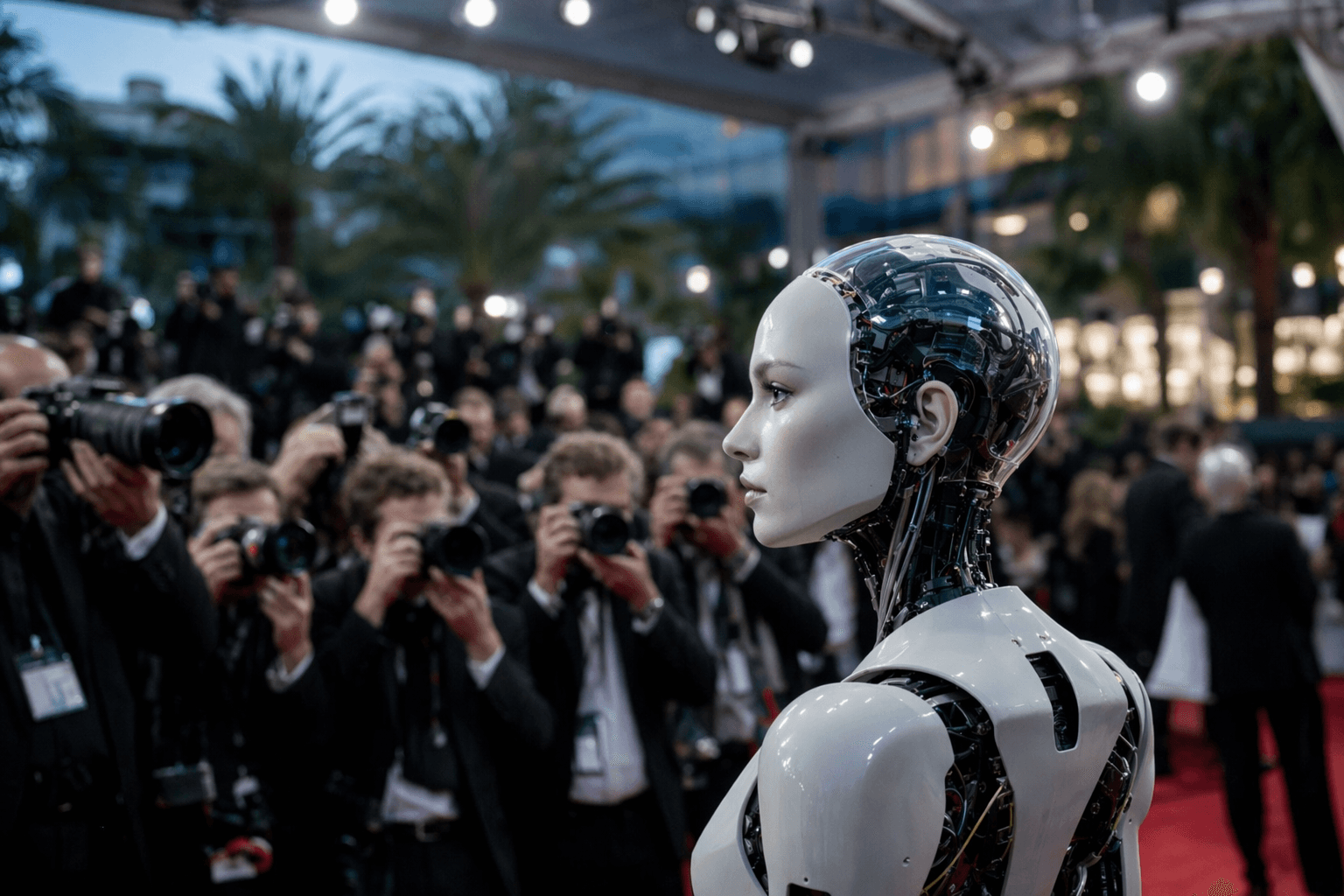
That split was visible well beyond one film. Demi Moore framed the contest as one the industry will lose, while Peter Jackson treated AI more like another special effect. James Gray took a narrower view, saying it can help but cannot replace the soul of filmmaking. Those positions mapped the fault lines now running through studios, unions and creative teams, where the argument is not simply about novelty but about who gets credit, who gets paid and who gets pushed out.
Cannes itself has placed the issue inside its own programming rather than at the margins. The festival’s Immersive Competition, launched in 2024, entered its third year from May 12 to May 22 at the Carlton Hotel, with nine works from eight countries in contention for Best Immersive Work. The lineup included AI-driven installations and generative machine-learning pieces, including Beyond The Vivid Unknown, which reimagined the 1982 film Koyaanisqatsi as a living system. The festival also set aside two invite-only days of AI panels at the Marché du Film, underscoring how deeply the technology has entered the business side of cinema.
Meta’s role added another layer to the dispute. The company said it was an official partner of the Festival de Cannes in a new multi-year strategic partnership, and its name appeared on the 2026 partner list. That put a major AI platform directly inside a festival already wrestling with copyright, creative ownership and the future of film work. What had once sounded hypothetical at Cannes now looked operational: AI was already being used in films, in promotion and in the conversations shaping cinema’s next rules.
Know something we missed? Have a correction or additional information?
Submit a Tip