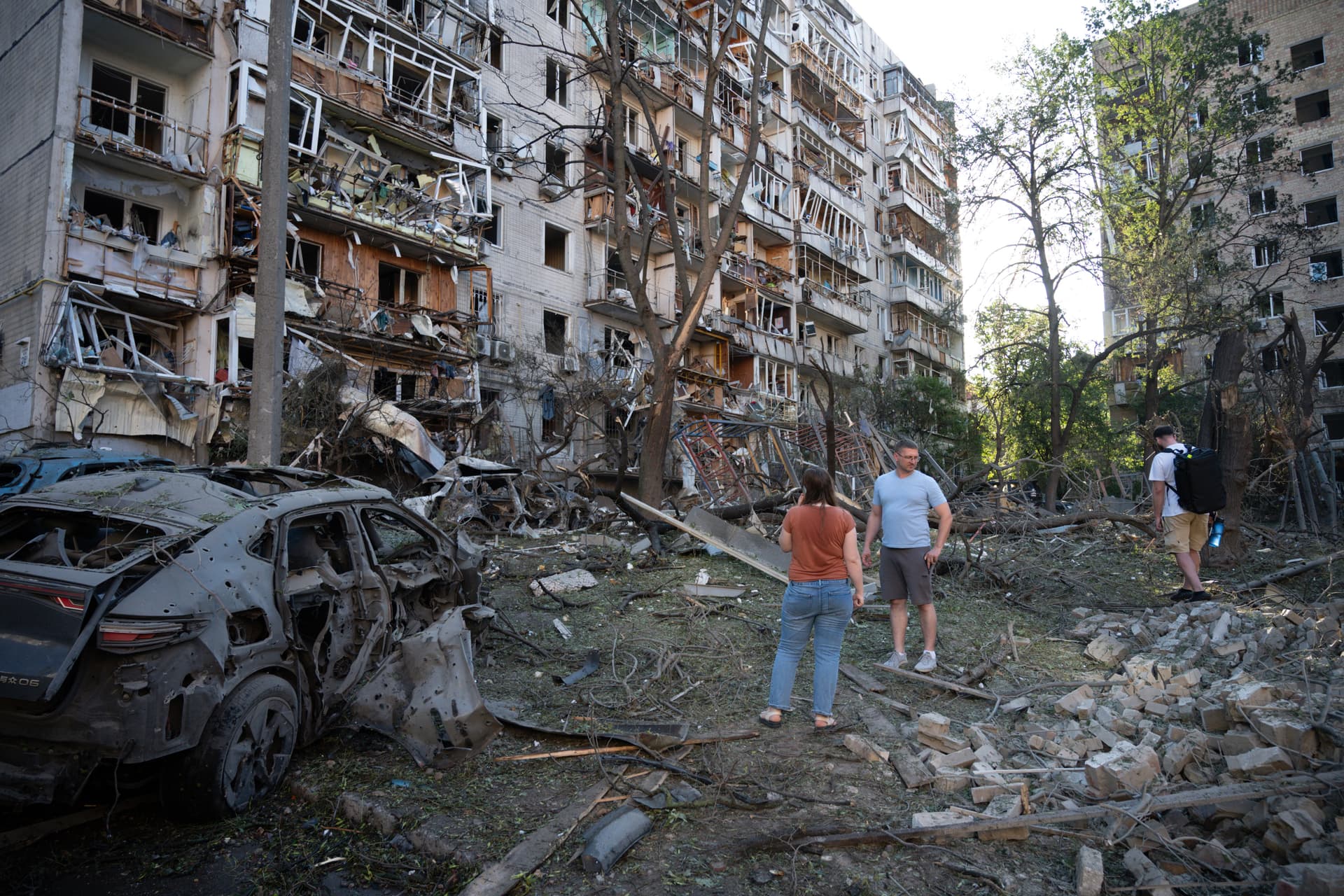
Car Explosion in India Kills Eight, Raises Security and Safety Questions
A car explosion in India on Nov. 11 left at least eight people dead, according to early reports, and prompted immediate concern about whether the blast was accidental or deliberate. The limited information available heightens questions about emergency preparedness and the wider security implications for a country balancing rapid urban growth and complex internal threats.
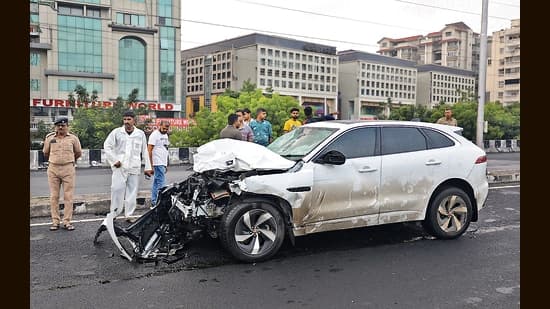
At least eight people were killed when a car exploded in India on Nov. 11, officials and early reports indicate, marking a sudden and violent incident that has left many unanswered questions. Details about the location, the identities of the victims, and the cause of the blast remain scarce as investigators work to establish what happened and why.
The blast has sent local communities and authorities into a heightened state of alert, with residents seeking clarity amid conflicting reports. There has been no immediate public confirmation identifying the origin of the explosion. In cases such as this, investigators typically examine the vehicle, collect forensic evidence, review nearby surveillance footage, and interview witnesses to determine whether the event was an accident, a technical failure, or the result of deliberate criminal action.
India is no stranger to both tragic accidents and politically motivated violence, and the distinction between an accidental blast and an attack carries heavy consequences for law enforcement, public policy, and diplomatic relations. If the explosion is classified as a criminal or terrorist act, it could prompt the involvement of federal investigative agencies and trigger national security protocols. If it proves to be an accident linked to a mechanical failure or hazardous material, it would highlight gaps in transport safety, vehicle standards, and emergency response capabilities that authorities must address.
The human toll of the explosion extends beyond the immediate fatalities. Families and communities now face loss and trauma, while hospitals and first responders contend with the aftermath. Rapid urbanization and growing vehicle ownership in India have strained infrastructure in many places, exposing vulnerabilities in traffic safety and emergency medical services. Incidents like this underscore the need for coordinated disaster preparedness that spans municipal, state, and national levels.
Internationally, dramatic urban blasts attract attention from governments and international organizations concerned about regional stability and the safety of their citizens. Even when no foreign nationals are involved, such events can affect investor confidence and tourism, and they often prompt queries from diplomatic missions seeking timely and accurate information. Transparent, prompt communication from authorities is crucial to prevent misinformation and to reassure both domestic and international audiences.
As investigators piece together the sequence of events, the wider conversation will likely turn to prevention. That discussion will encompass vehicle safety enforcement, hazardous materials regulation, urban planning, and intelligence capabilities where deliberate violence is suspected. For now, the priority remains on confirming the facts, supporting victims and their families, and ensuring that thorough, impartial investigations are carried out.
Authorities have said that more information will be provided as the inquiry progresses. Until then, the explosion stands as a stark reminder of the interplay between public safety, infrastructure resilience, and security in a country undergoing rapid change.
This article was produced by Prism’s automated news system from verified source data, official records, and press releases, then run through automated quality and moderation checks before publishing. The system is built and supervised by the people who set the standards it runs under. Read our full AI policy.
Did this article answer your question?