CAR-T therapy enables kidney transplants for highly sensitized patients
Three highly sensitized patients received kidney transplants after CAR-T therapy, a step that could open doors for people once considered nearly impossible to match.
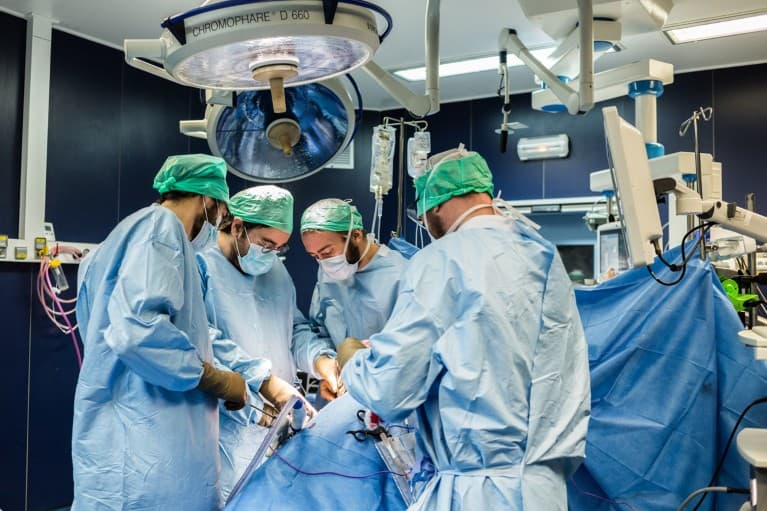
For patients whose immune systems reject nearly every donor kidney, the fact that three people were able to receive transplants after CAR-T treatment marks a potentially important shift in transplant medicine. The result does not solve the field’s hardest problems yet, but it points to a new way to reach patients who have been effectively locked out of transplant lists because their bodies recognize donor tissue as a threat.
The work, led by Ali Naji, MD, PhD, at the University of Pennsylvania, was published June 3, 2026 in the New England Journal of Medicine as part of a Phase I study, NCT06056102. Penn Medicine said the trial combined two engineered immune therapies, CD19-targeted CAR T cells and BCMA-targeted CAR T cells, to reduce the memory B cells and plasma cells that drive harmful anti-donor antibodies. The study was a collaboration among Penn Medicine, NYU Langone and Massachusetts General Hospital.

The stakes are high. Penn Medicine said more than 91,000 Americans are waiting for a kidney transplant, and about 5,000 are highly sensitized. In the most extreme cases, patients with cPRA of 99.9% or higher are compatible with fewer than 1 in 1,000 donor kidneys, a barrier that can leave them waiting for years while kidney failure forces them to remain on dialysis.
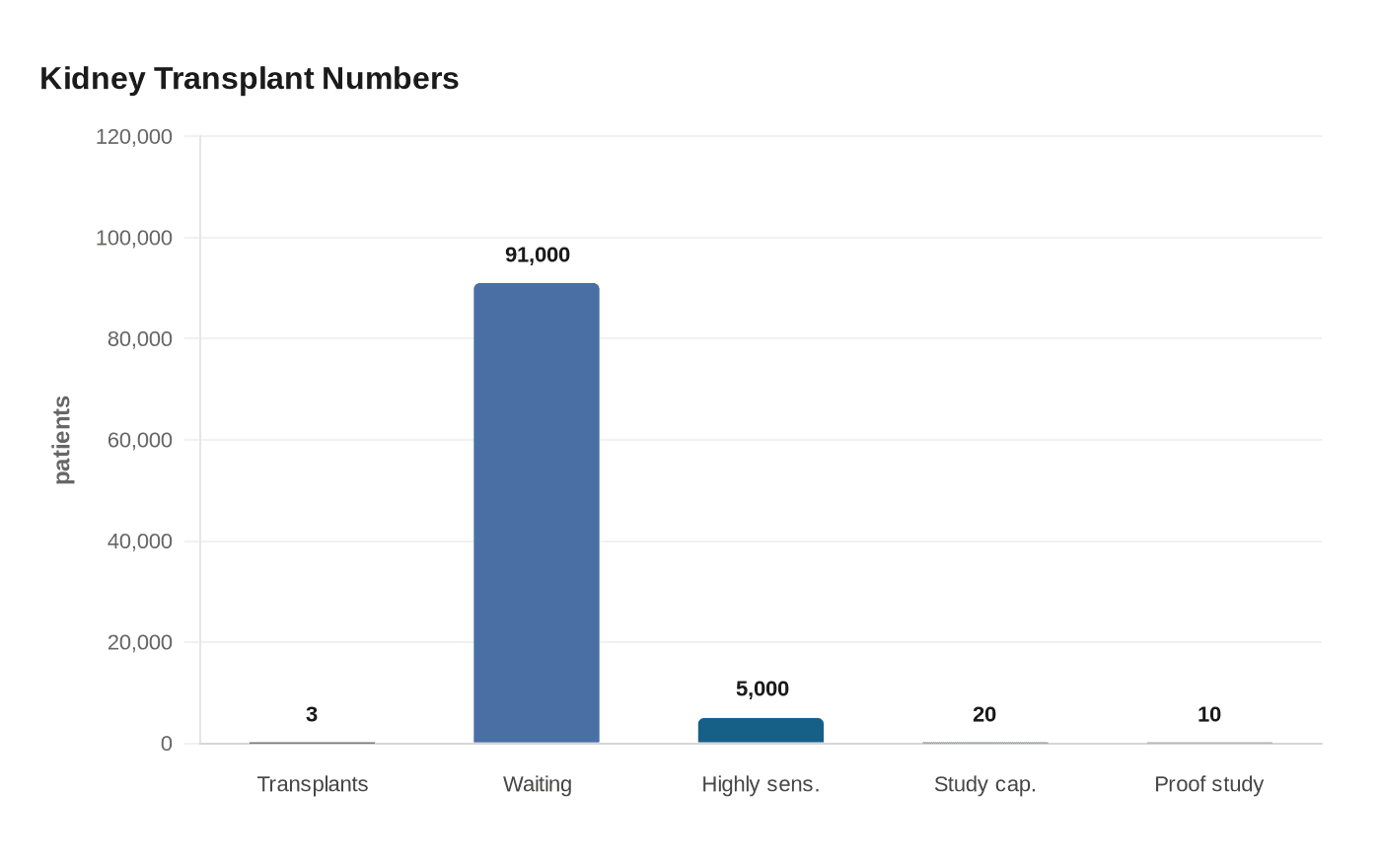
CAR-T is better known for cancer care, where engineered immune cells are used to attack malignant cells. Here, the same technology was adapted to quiet the immune system enough to permit transplantation. The approach comes with major caveats. ClinicalTrials.gov says the study enrolls patients who have waited at least one year and have cPRA of 99.5% or higher, with up to 20 participants at three centers. It also says participants who receive CAR T-cell therapy must be followed for 15 years, reflecting the long safety horizon regulators require for this class of treatment.
The early report adds to a small but growing body of transplant-desensitization research. Mayo Clinic described a 2024 proof-of-concept study in Kidney International that tested BAFF-R CAR-T cells in 10 sensitized patients, showing that the field had already begun working toward the same goal. Penn Medicine also noted that the CAR-T platform used in this study was originally developed at Penn by Carl June and was approved by the FDA in 2017 for blood cancers.
The immediate question is whether this can move beyond a striking proof of concept. If the approach proves durable, safe and scalable, it could expand transplant eligibility for patients with the most difficult immune profiles and change how clinicians think about organ access for the hardest-to-match candidates.
This article was produced by Prism’s automated news system from verified source data, official records, and press releases, then run through automated quality and moderation checks before publishing. The system is built and supervised by the people who set the standards it runs under. Read our full AI policy.
Know something we missed? Have a correction or additional information?
Submit a Tip