Cardiff couple become new wardens of Bardsey Island
A Cardiff couple traded city comfort for Bardsey Island’s isolation, taking over as wardens on a place with no holiday-let electricity and about 20,000 nesting shearwaters.
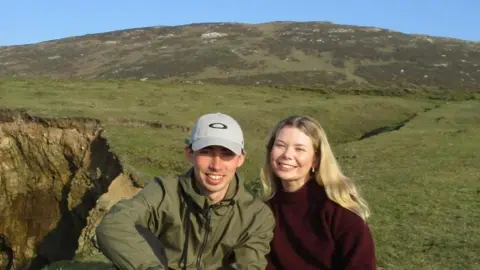
Lois Roberts and Aron Llwyd, both 29 and from Cardiff, have become the new wardens of Bardsey Island after saying they wanted a “different challenge” and a life off-grid. The pair, who have known each other since school, had already spent several months each year on Ynys Enlli as assistant wardens, but said they never expected to make the move full-time.
They took over after Mari Huws and Emyr Owen left in February, as the Bardsey Island Trust moved into what it has described as a new chapter. The reshuffle also brought in Nansi Davies-Hughes as project officer and Elin Cheung as deputy visitor warden, under chief executive Sian Stacey. For a small island workforce, the changes matter: the wardens are not just caretakers but the people keeping daily life moving on a place that still depends on timing, weather and a narrow route across Bardsey Sound.

Bardsey lies about two miles across the sound off the tip of the Llŷn Peninsula in Gwynedd, where the logistics of living are as defining as the landscape. Holiday-let houses on the island have no electricity, and visitors are encouraged to bring head torches. Residents have access to superfast broadband, but visitors do not, a practical concession that helps wardens and other island workers while preserving the isolation that draws people there in the first place.
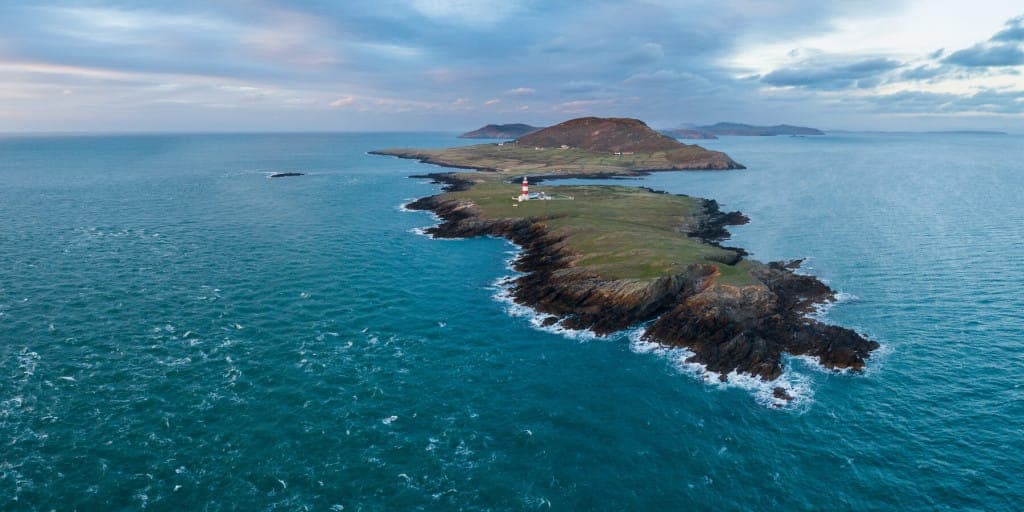
That isolation sits alongside a deep religious and ecological history. Visit Wales says the first abbey on the island was built in the sixth century, and Ynys Enlli has long been known as the resting place of 20,000 saints. Today, around 20,000 pairs of Manx shearwaters nest there, making the island one of the most important wildlife sites in Wales. At the turn of the 20th century, more than 100 people lived and worked on the island; now there are only a handful.
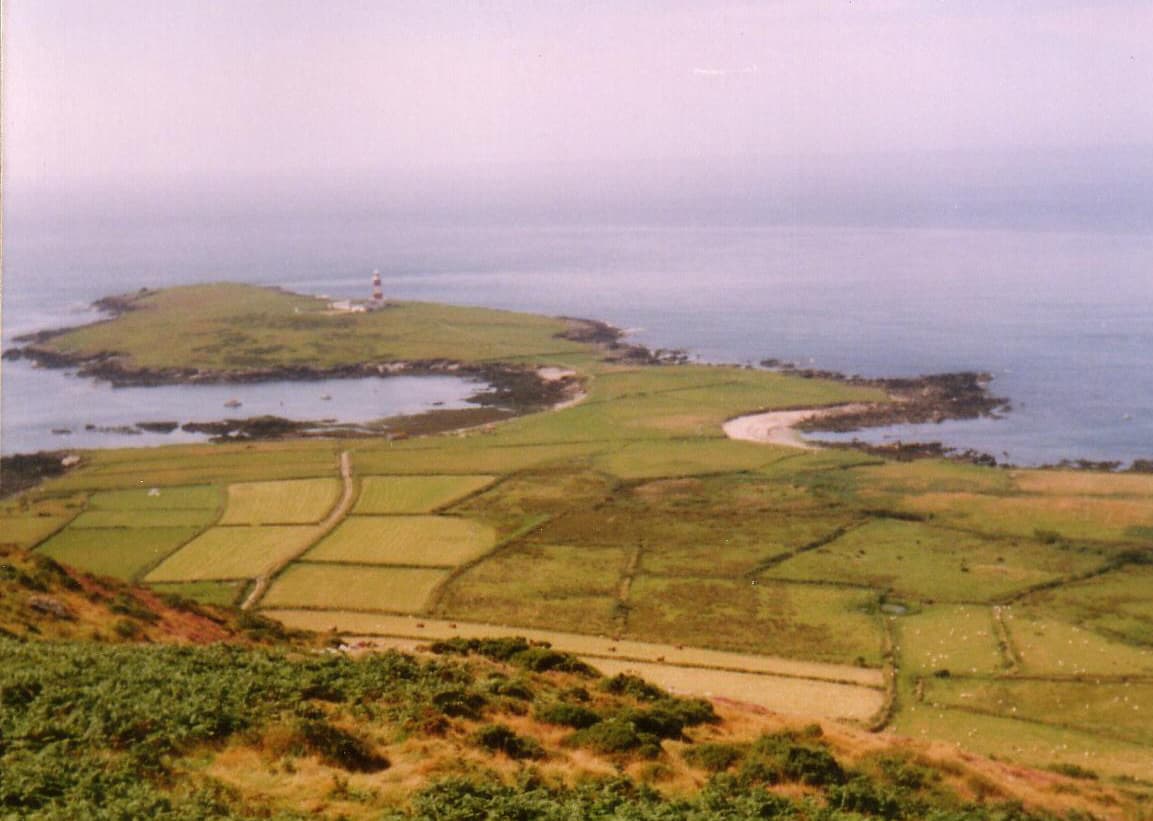
Bardsey is also a National Nature Reserve and, since 2023, Europe’s first International Dark Sky Sanctuary, a status the trust says strengthens its profile as one of the best places to experience the night sky. Alongside that, the trust has been pushing artist residencies, restoration work and community heritage projects, part of a broader effort to balance living history with modern stewardship.
This article was produced by Prism’s automated news system from verified source data, official records, and press releases, then run through automated quality and moderation checks before publishing. The system is built and supervised by the people who set the standards it runs under. Read our full AI policy.
Did this article answer your question?