Carney’s Liberals win majority in Canadian Parliament after by-election sweep
Carney’s Liberals turned three by-election wins into a House majority, but the route through floor-crossings and a low-turnout rematch is already under scrutiny.
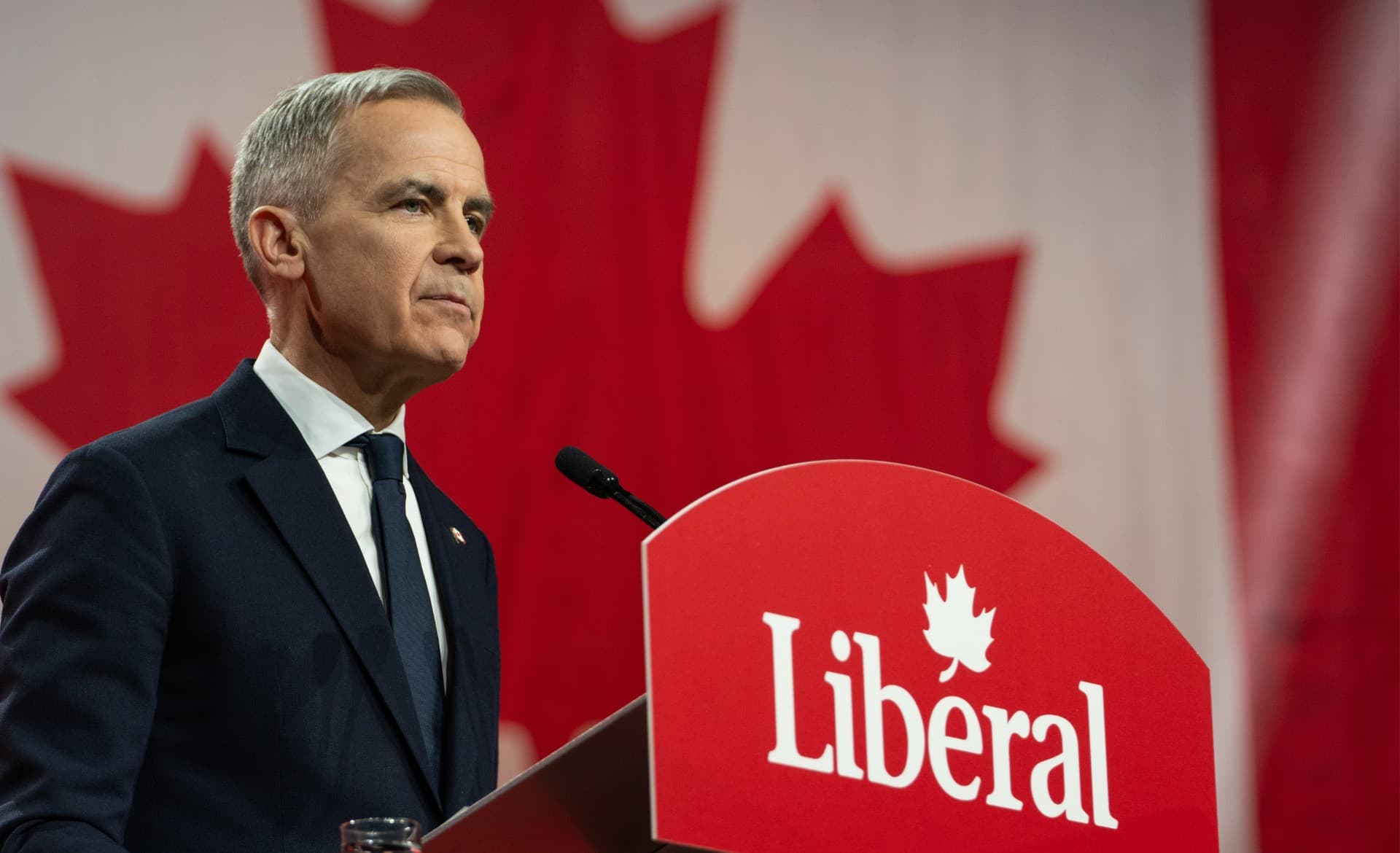
Mark Carney’s Liberals converted a by-election sweep into control of the House of Commons, winning Scarborough Southwest, University-Rosedale and Terrebonne and lifting the party to at least 172 seats, with later counts putting it at 174. It was the first Liberal majority since 2019 and made Carney the 14th Canadian prime minister to lead a party to a majority, a rapid ascent for a leader who launched his bid only about 16 months ago and had never before sought elected office. The numbers give Carney a freer hand to pass legislation without leaning on opposition parties or the Speaker’s tie-breaking vote, but they also sharpen the question of whether this is a durable centrist realignment or a tactical win built inside a brittle minority Parliament.
In Toronto, the Liberals won by the kind of margins that usually end arguments before midnight. Danielle Martin took University-Rosedale with 19,961 votes, or 64.4 percent, while Doly Begum captured Scarborough Southwest with 3,426 votes and 67.9 percent. University-Rosedale recorded 31,000 valid votes from 93,971 registered electors, a turnout of 32.99 percent, a reminder that even an emphatic result can rest on limited participation in a spring by-election rather than a broad national verdict.
Terrebonne, by contrast, was the contest that tested the legitimacy of the Liberal claim. Tatiana Auguste beat Bloc Québécois incumbent Nathalie Sinclair-Desgagné by 731 votes, 48.4 percent to 46.8 percent, in a rematch after the Supreme Court of Canada annulled the 2025 result. The riding had produced one of the closest races in recent Canadian history, and turnout fell to 50.76 percent from 68 percent in the 2025 election, underscoring how much the fight depended on mobilizing a smaller electorate than the one that originally handed the Liberals a one-vote win.
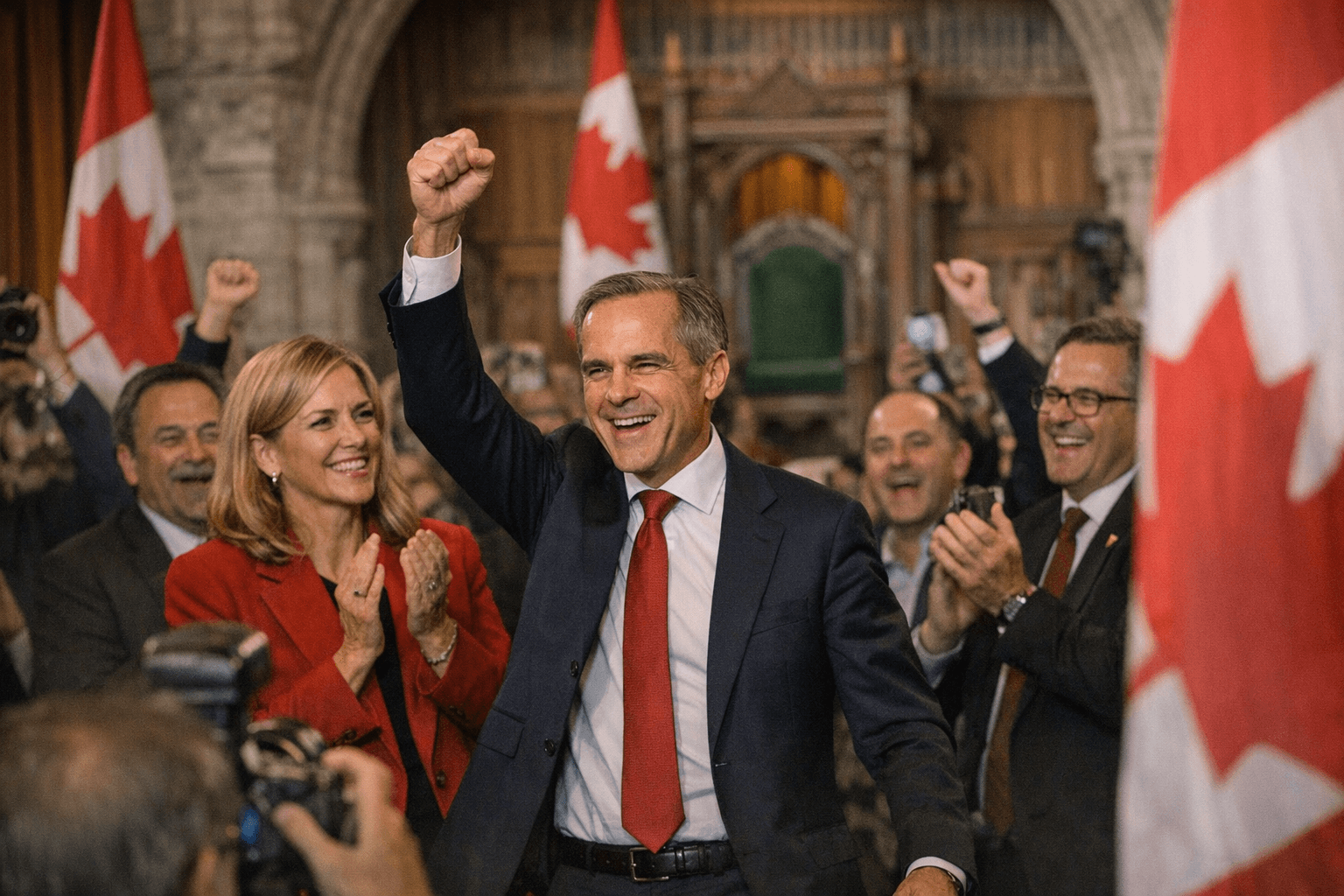
The path to majority status is what gives Carney’s victory its political charge. The Liberals had entered the day one seat short after five opposition MPs crossed the floor in recent months, including four Conservatives and one New Democrat, Lori Idlout. Conservative Leader Pierre Poilievre attacked the route to power as a “cynical” and “back-room” maneuver rather than a mandate earned in a general election, and that criticism now hangs over every vote Carney’s government takes. Carney has cast his agenda around unity, economic strength and resistance to Donald Trump’s tariff pressure, but the real test of mandate versus legitimacy will come in Parliament, where a majority built through defections and special elections must prove it can command more than arithmetic.
This article was produced by Prism’s automated news system from verified source data, official records, and press releases, then run through automated quality and moderation checks before publishing. The system is built and supervised by the people who set the standards it runs under. Read our full AI policy.
Did this article answer your question?

