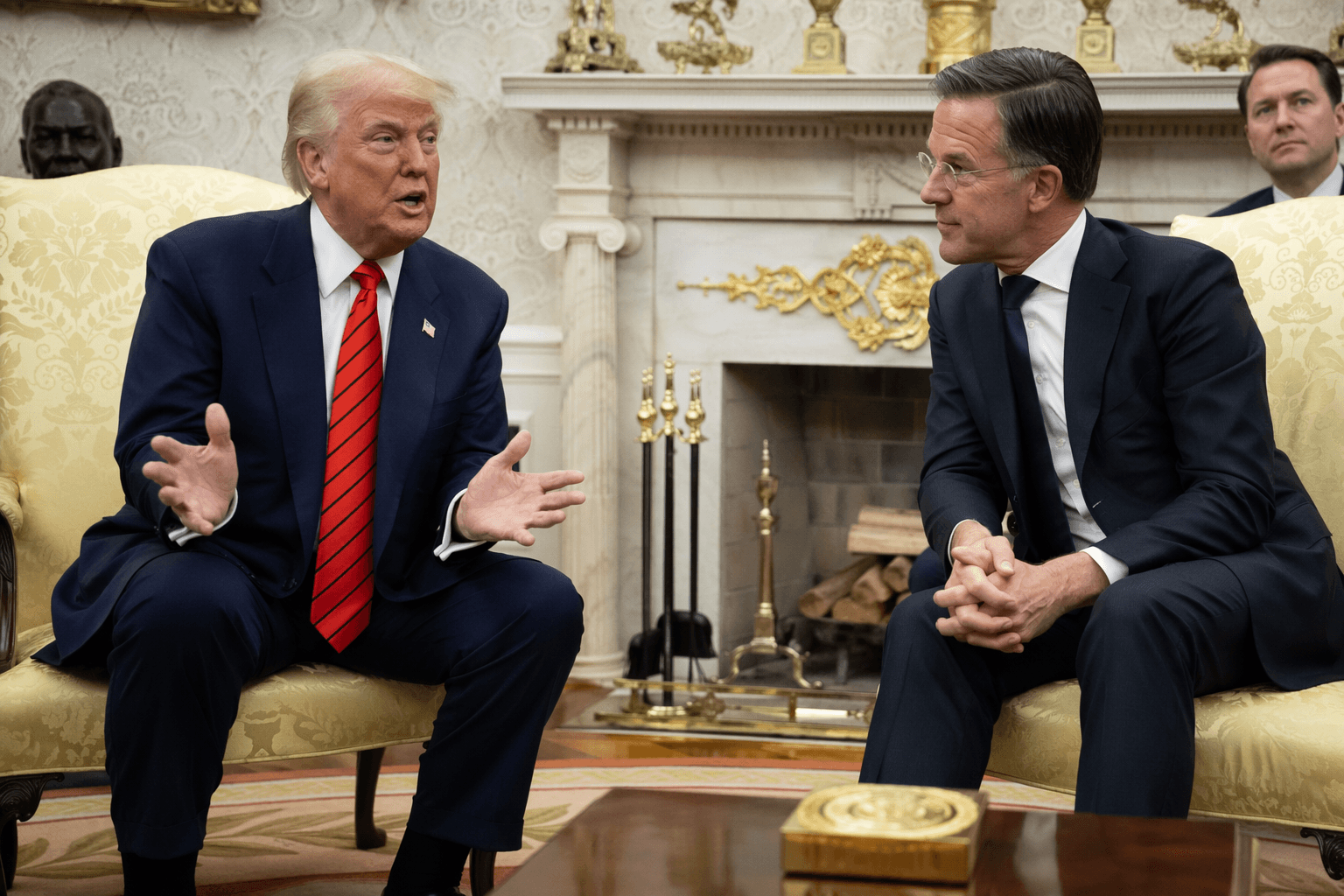
Cassidy joins Republicans in blocking limits on Trump war powers
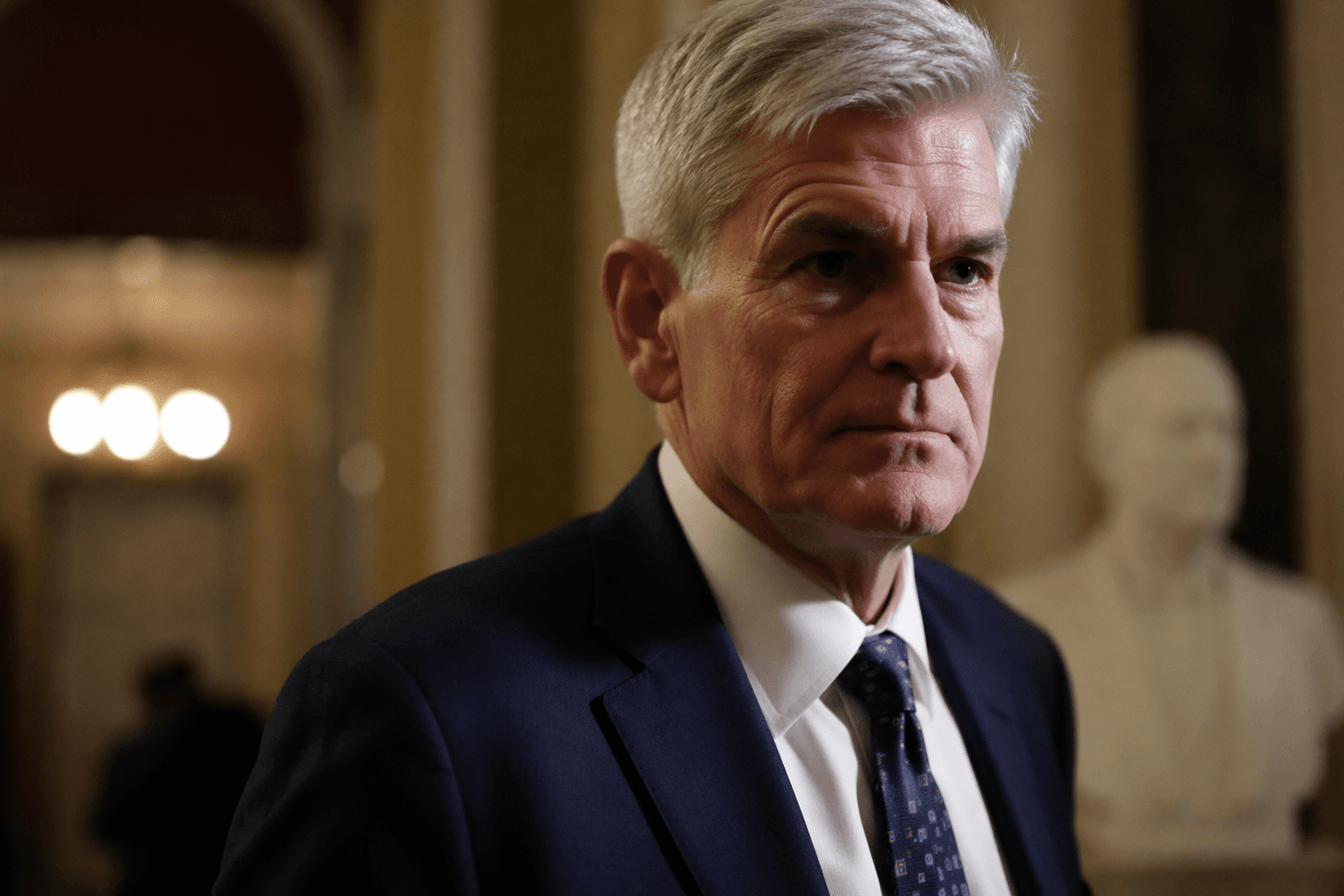
Bill Cassidy flipped from backing a war-powers vote Tuesday to helping block it Wednesday, after Trump blasted him and other Republicans as "grandstanders."

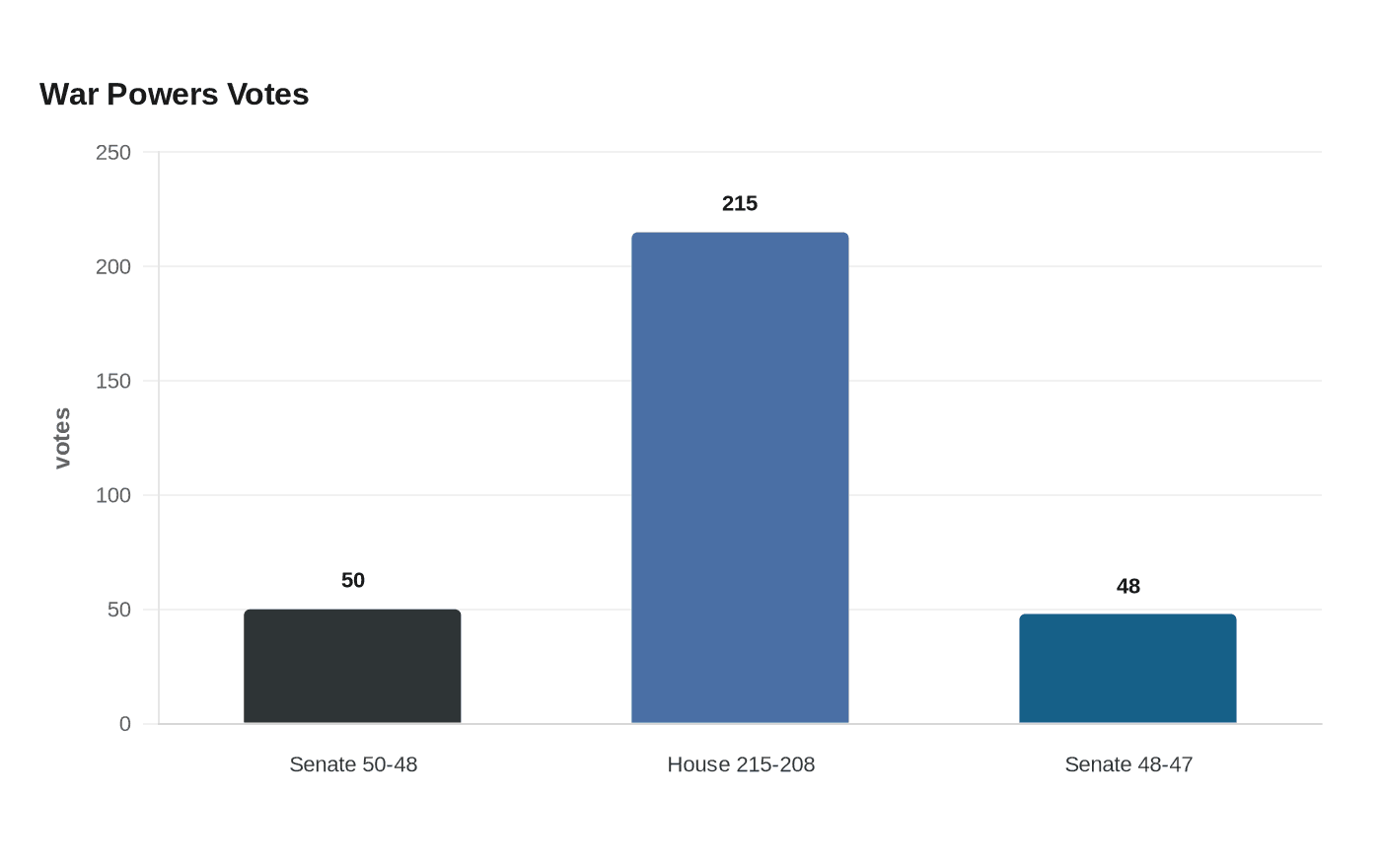
Bill Cassidy joined most Republicans late Wednesday to block a resolution aimed at reining in President Donald Trump’s war powers, reversing the Louisiana senator’s own vote from the day before and exposing how little leverage Congress has once a president commits U.S. force. The swing came after Cassidy had helped advance a separate war powers measure on Iran in a 50-48 Senate vote, then turned around and sided with party leaders to stop the next one.
That earlier vote was the first successful Senate action on a war powers resolution during the Iran conflict. Cassidy voted yes with Susan Collins of Maine, Lisa Murkowski of Alaska and Rand Paul of Kentucky, while Democrat John Fetterman voted no. The House had already passed the companion measure 215-208, with four Republicans joining Democrats, sending the issue toward a fight with the White House over whether Congress can curb military action without explicit authorization.
The Senate’s back-to-back votes came after weeks of Democratic attempts to force Congress back into the center of war-making decisions. Reuters reported that the chamber narrowly blocked a Democratic-led war powers effort on June 16 by a 48-47 vote, the ninth Democratic-led attempt since U.S. and Israeli air attacks on Iran began in February 2026. Supporters of the resolution argued that Congress had to reassert its constitutional authority under the 1973 War Powers Resolution. Opponents said Trump needed flexibility to manage the conflict and any ceasefire or nuclear deal with Tehran.
Cassidy’s change in position was especially striking because it came just hours after a shouting match with Trump during a lunch between the president and the Republican conference. Trump later lashed out on Truth Social, calling the Republicans who backed the war powers effort “grandstanders” and then referring to them as “Four Republican Losers,” while also attacking Democrats as “Dumocrats.” The public rupture underscored how party loyalty still often outruns congressional resistance when a president pushes military power to its edge.
The stakes go beyond procedure. Critics of the conflict have linked it to higher gasoline prices after Iran’s closure of the Strait of Hormuz, and any war powers resolution that clears Congress would face a likely veto fight if it reached Trump’s desk. For lawmakers who tried to restrain him, the outcome showed how hard it remains to turn constitutional checks into binding limits once a president has already chosen force.
This article was produced by Prism’s automated news system from verified source data, official records, and press releases, then run through automated quality and moderation checks before publishing. The system is built and supervised by the people who set the standards it runs under. Read our full AI policy.
Know something we missed? Have a correction or additional information?
Submit a Tip