Caster Semenya Vows to Fight IOC's New Olympic Gender Testing Policy
Semenya vowed to "make noise" against the IOC's new SRY gene testing policy, calling it a "disrespect for women" ahead of LA2028.
Speaking from Cape Town, double Olympic champion Caster Semenya declared open opposition to the International Olympic Committee's newly unveiled chromosomal screening policy, calling it "a disrespect for women" and vowing to lead a sustained campaign against its implementation ahead of the 2028 Los Angeles Games.
The IOC announced the ban on March 26, stating that eligibility for female sporting events will be determined by one-time gene-screening sex tests. Under the new policy, any athlete found to carry the SRY gene, which sits on the Y chromosome and triggers the development of male characteristics, will be deemed not "biologically female" and therefore ineligible to compete in women's categories. The criteria also apply to intersex athletes who have gone through male puberty. The test will be administered via cheek swab or saliva analysis, with further investigation triggered for any athlete who screens positive.
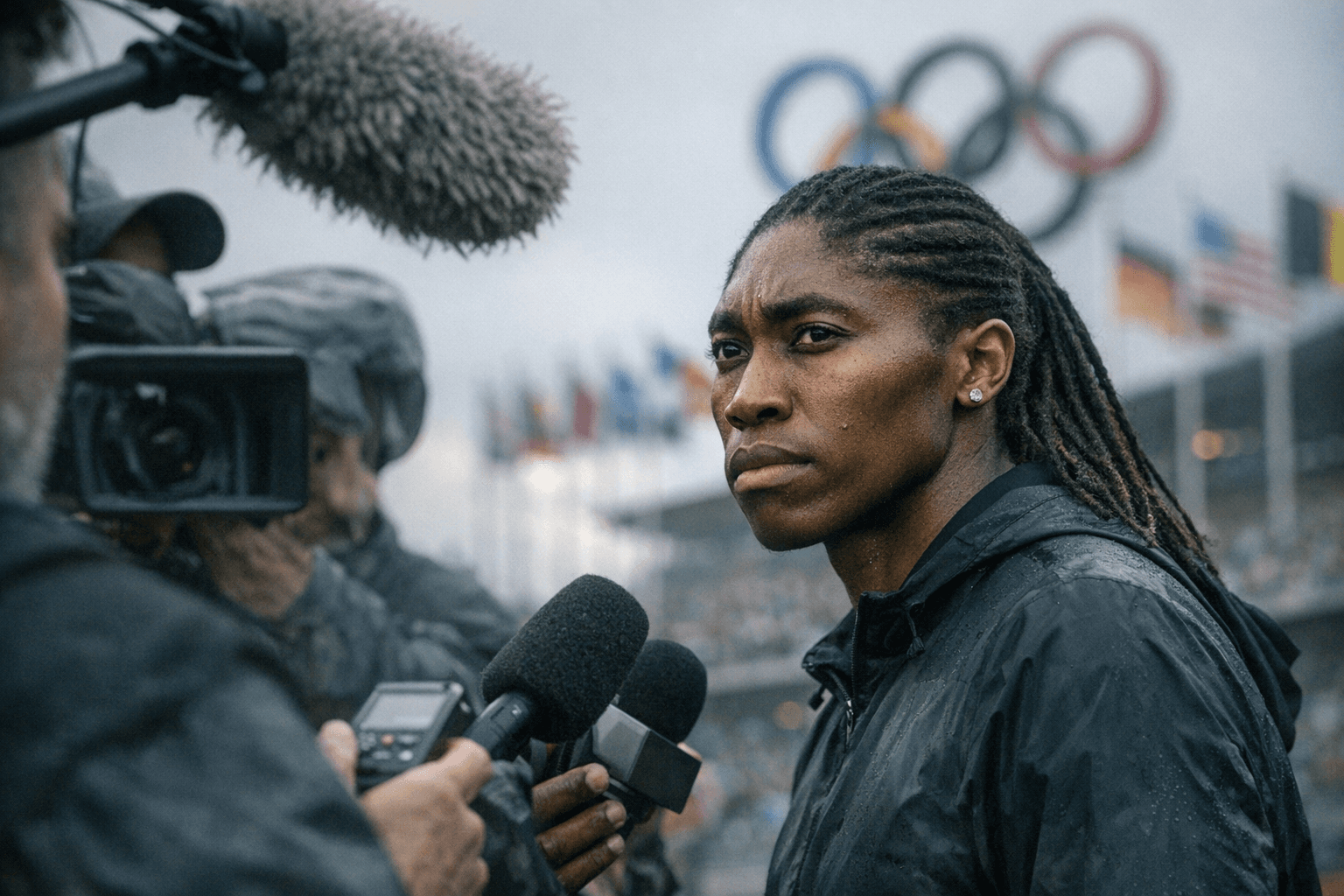
Semenya, who won two Olympic and three world titles in the 800 metres before being limited to shorter events, has been at the center of this debate for years. Speaking to Reuters from Pretoria, she framed the fight in collective terms. "We're going to be vocal about it, we're going to make noise until we're heard," she said, adding, "Now it's a matter of women standing for themselves to say, enough is enough. We are not going to be told how to do things."
She also pushed back directly on the scientific rationale underpinning the rule, stating "there's no science" that XY-DSD conditions gave an athlete a competitive advantage, and dismissing those who believe otherwise as "delusional." "But what I say is that if you're going to be a great athlete, it's through hard work," she added.
The IOC's policy document argued that including "androgen-sensitive XY-DSD athletes" in female categories for events that rely on strength, power, or endurance "runs fundamentally counter to ensuring fairness, safety and integrity in elite competition." The IOC framed the rule as the product of an 18-month consultation with medical and scientific experts and positioned it as a means of creating a single global standard after years of fragmented regulation across international federations. Critics counter that procedural consultation does not constitute scientific or ethical consensus.
Similar chromosomal testing had previously been deployed at the Games between 1968 and 1996, before being abandoned following pressure from the scientific community, which questioned its effectiveness. Semenya's objections echo those earlier critiques, with her challenge to World Athletics' testosterone-based regulations having already wound through years of litigation before international sports tribunals.
The new IOC policy is expected to become a universal rule for competitors in female elite sports, representing a departure from the fragmented regulatory landscape that produced years of controversy. With qualifying events for LA2028 potentially falling under the new framework, the timeline for legal challenges is tight. Semenya's pledge to pursue vocal and organized resistance suggests the coming months will test not only the policy's scientific foundations but the IOC's capacity to defend it against coordinated human-rights and legal scrutiny.
Know something we missed? Have a correction or additional information?
Submit a Tip