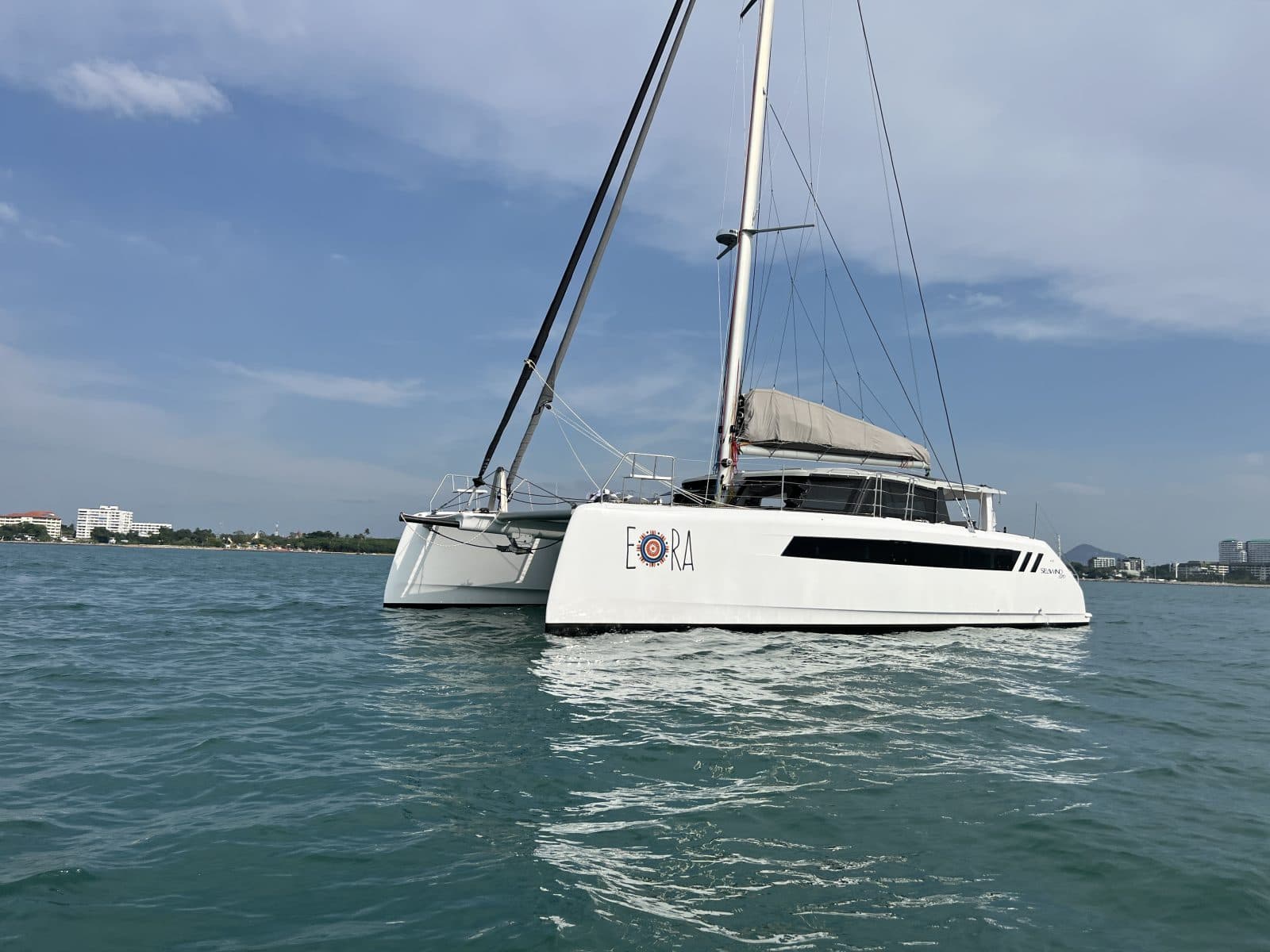
Catamaran Maintenance Checklist for Owners and Crew: Hull, Systems, Safety, Winterisation
A practical catamaran maintenance checklist covering hull, systems, safety, and winterisation to keep owners and crew seaworthy and reduce downtime.
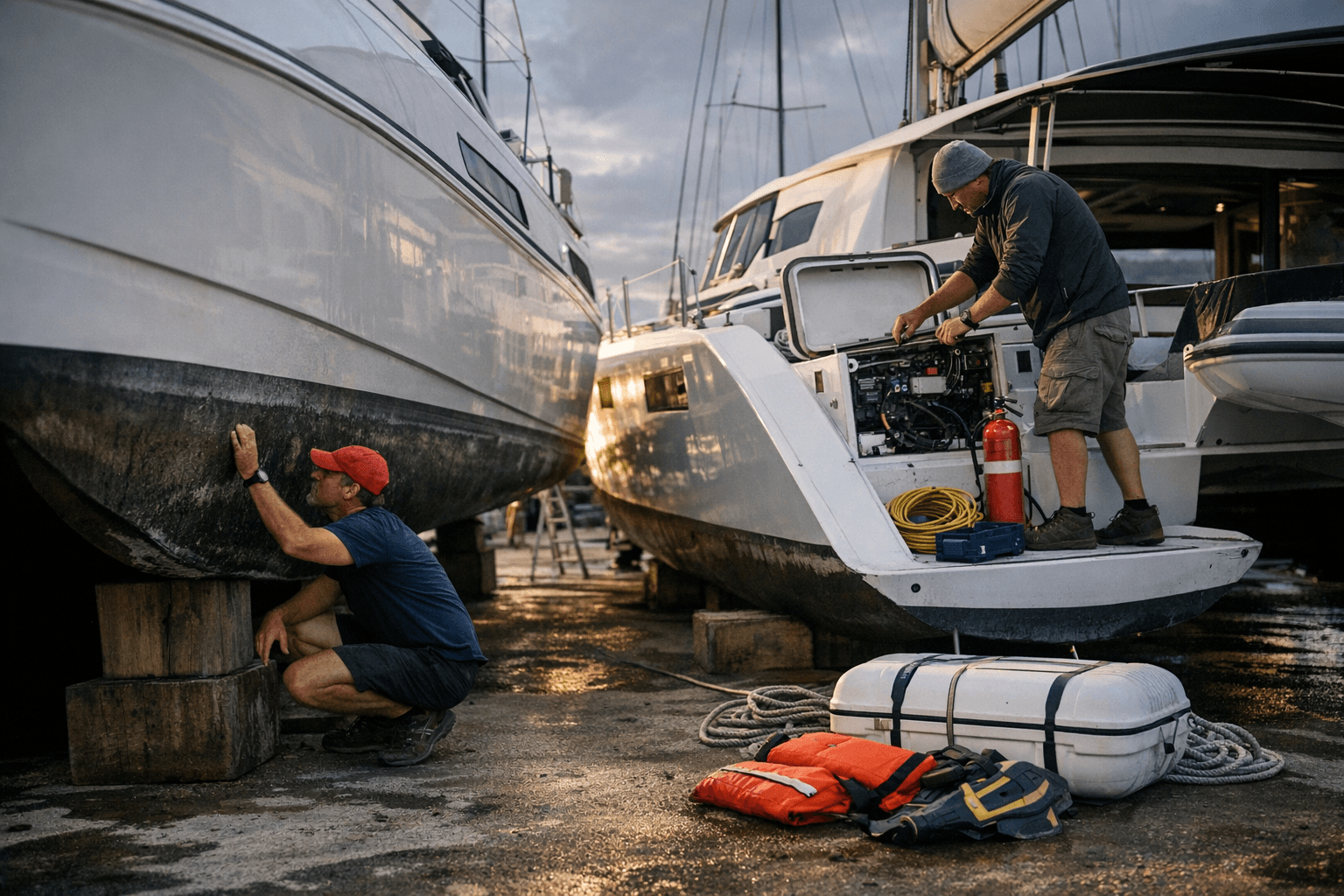
A clean, routine maintenance plan keeps catamarans ready to cruise and prevents costly repairs that bench a boat or spoil a weekend. Start with hull and topsides inspections on every slip visit: check gelcoat and hull-to-deck joints for hairline cracks, probe around chainplates and toerails for soft spots, and scrub waterlines to reveal blistering or osmosis early. Treat visible damage promptly to avoid structural headaches.
Thru-hulls and seacocks demand hands-on attention. Cycle seacocks to verify smooth operation and check hoses and clamps for chafe and corrosion. Confirm seacock handles move freely and tag the position. Standing rigging and rig hardware benefit from routine visual checks; look for corrosion at terminals, broken strands, and crevice corrosion around swages and turnbuckles. Arrange a rig-tension check with a rigger at least annually or before extended passages.
Sails and canvas condition control performance and comfort. Inspect sailcloth for UV degradation, ragged battens, and stitched seams. Check reefing lines, sliders, and sail covers for wear, and service zips and UV patches before sail damage forces repairs at sea. Canvas dodgers and Bimini frames should be checked for frame fatigue and fastener integrity.
Electrical health starts with batteries and charging systems. Test battery state-of-charge and perform load testing every few months; verify charging voltage from alternators and shore-chargers and ensure isolation switches and battery combiner systems work as intended. Keep battery terminals clean and torqued, and log specific gravity or state-of-charge readings to spot slow failures.
Engine and drive maintenance protects propulsion reliability. Cover oil and filter changes, fuel filters and water separators, coolant condition, impeller condition, belt tension, and exhaust fittings. Follow manufacturer hour-intervals or annual schedules; changed impellers and fresh coolant prevent overheating and costly tear-downs. Check saildrives or sterndrives for oil leaks and shaft coupling condition.
Safety gear must be current and functional. Verify EPIRB battery date and registration, inspect lifejackets for crotch straps and buoyancy, and check expiry dates on distress flares. Test MOB systems and practice recovery routines with your crew.
Bilge pumps and alarms are last-line savers. Test primary and secondary pumps under load and confirm high-water alarms, float switches, and automatic relays trigger reliably. Clear bilge scuppers and inspect pump wiring for corrosion.
Antifouling and zincs are routine sacrificial maintenance. Inspect hull growth regularly, apply antifouling per season or growth patterns, and replace zincs during haul-out if more than 50 percent consumed or every 6-12 months depending on use and water type.
Short winterisation and de-winterisation checklist items include draining freshwater systems or adding marine antifreeze, fogging engines and changing oil if stored long-term, removing or maintaining batteries on a float charger, closing sea cocks and securing canvas, and running systems through a post-storage start-up with fuel, oil, and belts checked.
This checklist keeps crew confident and catamarans sailing. Log each check, assign tasks to named crew members, and schedule professional inspections for critical items so maintenance stays ahead of failures and the next cruise isn't compromised.
Know something we missed? Have a correction or additional information?
Submit a Tip