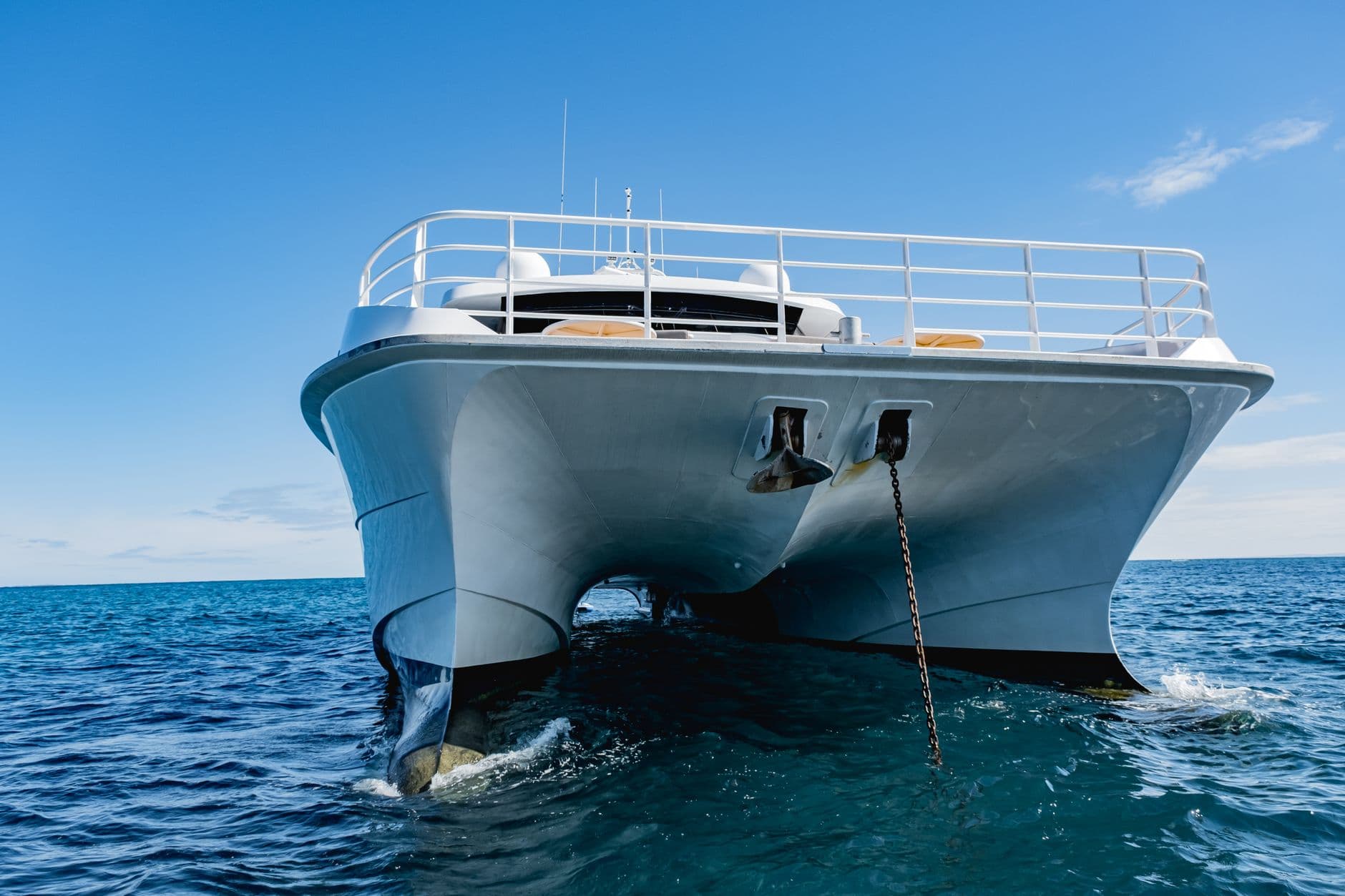
Catamaran Yacht Maintenance Checklist, Monthly, Quarterly and Annual Tasks
This checklist breaks down practical maintenance tasks for sailing and power catamarans into monthly, quarterly and annual actions so your boat stays safe, reliable and resale-ready. You will learn specific inspections, service intervals, seasonal preparations and the spares and record-keeping approaches that make ownership easier and more community-friendly.

1. Hull & topsides
Inspect hulls and topsides monthly for soft spots, blisters and signs of delamination; addressing these early prevents costly structural repairs. Rinse after every saltwater outing and check sacrificial anodes for depletion so you avoid electrochemical damage while keeping resale value high.
2. Through-hulls & seacocks
Verify operation of through-hulls and seacocks at least monthly and before the season, looking for corrosion, seized handles or leaking seals. Proper operation is critical for safety and insurance compliance, so exercise them and replace any suspect valves promptly.
3. Engines & drives
Check engine oil, coolant, belts, hoses and raw water strainers regularly, and monitor battery condition as part of monthly care. Run engines under load and verify charging systems to avoid surprises offshore; consistent checks reduce downtime and preserve resale condition.
4. Electrical
Inspect the battery bank state-of-charge, cabling for heat or corrosion and shore-power connections, including RCD/GFI protections, on a monthly basis. Good electrical housekeeping prevents fires and electrical failure and is often a focal point for community advice and surveyors.
5. Safety gear
Confirm liferaft service dates, EPIRB battery expiry and check flares and lifejackets for fit and condition before each season. Having up-to-date safety equipment keeps your crew safe, meets regulatory expectations and ensures you can participate in community events and shared cruising.
6. Rigging & spars
For sailing cats, inspect chainplates, spreaders, mast step areas, forestay, backstay and turnbuckles quarterly for fatigue or corrosion. Service furlers and winches and replace any worn fittings; rigging failures are high-risk, so proactive checks support safe club races and offshore legs.
7. Sails & canvas
Examine full sails, stitched seams and UV wear quarterly, repairing small tears and reinforcing UV strips before they grow. Regular canvas care extends gear life and avoids costly replacements while keeping charter and cruising plans on schedule.
8. Steering & rudders
Grease shaft fittings, check linkages for play and verify autopilot calibration every quarter to ensure responsive handling. Steering issues are often noticed first within the local sailing community, so staying on top of them preserves safety and reputation.
9. Plumbing
Check pumps, hoses, freshwater filters and water-maker membranes quarterly for fouling, leaks or reduced flow. Clean or replace filters and address hose softening to avoid onboard sanitation failures and reduce maintenance calls from fellow cruisers.
10. Antifouling
During annual haul-out season freshen antifouling and inspect appendages such as keels, daggerboards and rudders for grounding damage. Timely antifouling keeps fuel economy and speed consistent and limits invasive species transfer important to local harbors.
11. Structural survey
Perform a thorough structural inspection annually or at haul-out, focusing on bulkhead-hull joints, stringers, keel attachments and bonded deck/hull joints. Catching stress or leaks early protects long-term value and is essential for safe offshore passage plans.
12. Engine & gearbox service
Follow manufacturer intervals annually or by engine hours for major services including valve adjustments, injector checks, coolant flushes and gearbox oil changes. Regular servicing prevents breakdowns and is a strong selling point when sharing your boat's history with the community.
13. Propellers & shafts
Check propeller condition, shaft alignment, cutless bearing wear and vibration annually; remove marine growth and correct any misalignment. Proper propulsion maintenance maintains efficiency, reduces vibration damage and lowers running costs.
14. Winterise and tropicalise systems
Prepare systems seasonally based on climate: winterise in cold zones or tropicalise for heat and humidity, cycle batteries appropriately and store electronics safely. Adapting systems to local weather extends component life and keeps you ready to join seasonal flotillas or rallies.
15. Insurance surveys and stowage
Keep insurance survey requirements current and update safety equipment stowage to meet policy standards and port regulations. Staying compliant protects you financially and ensures you can participate confidently in community events and regattas.
16. Maintenance log
Keep a detailed maintenance log with dates, hours, part numbers and receipts for every job and inspection. A good log simplifies troubleshooting, supports resale valuation and helps neighbors and fleet captains understand your boat’s history.
- Belts, hoses and impellers
- Fuses and basic electrical connectors
- Starter motor parts and essential tools
17. Modest spares kit
Maintain a compact spares kit so common failures don’t leave you stranded; include essentials and a basic electrical toolkit. Recommended items:
Having these on board reduces call-outs and supports community assistance if you help others.
18. Corrosion protection
Use corrosion-resistant fasteners, stainless or properly coated fittings and apply anti-corrosion sprays regularly in saltwater environments. Consistent protection reduces galvanic and crevice corrosion, saving money and keeping rigs and systems serviceable.
19. Address soft spots and schedule inspections
Repair soft spots or delamination immediately because small fixes are far cheaper than structural overhauls, and schedule professional rig, engine and hull inspections every 2–3 years or before extended offshore passages. Regular professional checks complement your routine maintenance and give confidence to insurers, surveyors and fellow sailors.
This article was produced by Prism’s automated news system from verified source data, official records, and press releases, then run through automated quality and moderation checks before publishing. The system is built and supervised by the people who set the standards it runs under. Read our full AI policy.
Know something we missed? Have a correction or additional information?
Submit a Tip