Catamaran Yachts Essentials, A Practical Guide for New Owners
This guide lays out the core differences, checks, and techniques you need when moving from monohulls to catamarans. You will get a clear pre-departure checklist, systems to learn, common mistakes to avoid, and next steps to build confidence and community connections.
1. Stability and righting behavior
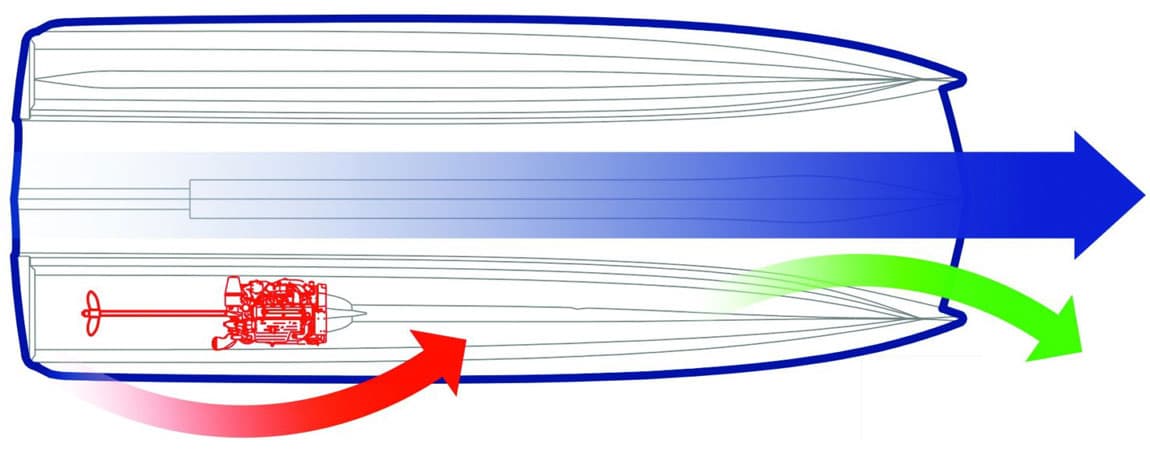
Catamarans deliver much greater initial stability than monohulls, so you’ll notice far less heel under sail and a more level platform for living and working. That same stability changes how capsizes and recovery behave; learn lateral stability limits and how your particular design responds if pushed beyond its range. Understanding those limits keeps you safer and helps you make conservative sail and load decisions in mixed conditions.
2. Motion in waves and chop
Expect a flatter, quicker ride compared with a monohull: catamarans recover faster after gusts and often punch through waves on bridgedecks. That can feel more comfortable but also transmits sudden shocks when bridgedeck slamming occurs, so monitor sea state and slow down in confused seas. Recognizing those motion cues improves comfort for crew and reduces wear on fittings and rigging.
3. Steering, helm response and twin-engine handling
Sailing cats use twin rudders and different helm geometry while powercats often have twin engines, producing distinct handling characteristics. Practice single-engine control, asymmetric thrust, and close-quarters maneuvers in a quiet marina to get comfortable with pivot points and how the boat responds. Mastering these techniques makes docking and tight maneuvers far less stressful for you and your crew.
4. Systems test before departure
Before any first outing, test propulsion, charging, bilges and lights so you leave with redundancy and confidence. Run both engines if fitted, check battery banks and charging sources, confirm bilge pump operation and verify navigation lights at dusk or under test conditions. A short systems run-through prevents many common day-sail failures and gets you comfortable with the sequence of checks.
5. Rig and sail inspection for sailing cats
Inspect standing rigging, halyards, reefing systems, sheet leads and furlers before sailing to catch friction points or corrosion early. Confirm the headsail furler and mainsail handling systems function smoothly and that reefing lines lead clear to safe working positions. Regular pre-sail rig checks reduce risk of sail-handling drama and protect expensive materials.
6. Essential safety gear checklist
Carry lifejackets for every person, a throwable device, a VHF radio with DSC set up, an EPIRB or PLB, flares, a first-aid kit and a working bilge alarm. Stow items so they’re immediately accessible and regularly check expiry dates, battery status and familiarise everyone with location and use. Having reliable safety gear is community-minded: emergencies often require quick, coordinated response where every properly equipped vessel helps.
7. Docking plan and fender strategy
Plan docking approaches that account for your wider beam and practice with two engines or single-engine techniques inside tight marinas. Use spring lines and fenders sized for the boat’s beam and consider extra fender placement at the bridgedeck and bows. Practicing docking reduces strain on marinas and neighboring boats and helps you build local friendships through confident handling.
8. Reef early and manage sail area
Because catamarans carry sail area high and respond quickly, reef early to keep speed manageable and reduce loads on rigging. Early reefing preserves control and lowers the chance of sudden overpowering in gusts. Being conservative with sail in changing conditions makes passages more comfortable for crew and less taxing on hardware.
9. Weight distribution and payload awareness
Avoid concentrating too much weight on one hull; distribute crew, gear and stores for balance and predictable trim. While cats can tolerate load differently than monohulls, ignoring weight distribution affects speed, steering and bridgedeck clearance. Respecting payload and layout recommendations keeps performance close to expected and reduces risk when conditions worsen.
10. Upwind performance tactics
Expect lower pointing angles than a performance monohull and focus on clear airflow over both hulls when trimming headsails and the mainsheet. Small adjustments to sheeting and traveler position can yield better VMG even if pointing is reduced. Understanding your cat’s upwind sweet spot helps you target realistic passage times and route choices.

11. Downwind sail choices and apparent wind techniques
Use apparent wind strategies and consider light-air asymmetric sails or cruising spinnakers for improved VMG on off-wind legs. Catamarans often benefit from flying asymmetric sails on poles or whisker poles to keep sails clear of the bridgedeck and maintain stable drive. Choosing and trimming the right downwind sail makes passages faster and more relaxing for crew.
12. Electrical systems and charging management
Many cats rely heavily on house battery banks, alternators, inverter systems and solar arrays; know your charge and consumption rates and how to switch charging sources. Learn how to balance engine charging, shore power and solar input to avoid depleting critical systems. Good electrical management keeps refrigeration, comms and safety electronics online and helps you contribute useful advice in owner forums.
13. Freshwater, watermakers and waste handling
Familiarize yourself with freshwater capacity, conservation techniques and the basics of any onboard watermaker. Understand grey and blackwater systems and local disposal regulations to stay compliant and protect cruising grounds. Responsible water and waste practices are essential for long-term cruising and maintaining good relations in popular anchorages.
14. Bridgedeck slamming, recognition and mitigation
Underestimating bridgedeck slamming is common, slow down in confused seas and trim sails to reduce pounding when waves hit the underside of the bridgedeck. Modify course and speed to find a more comfortable angle through confused chop and consider operational limits for steep seas. Preventing repeated slamming protects hulls, cabinetry and crew morale.
15. Engine coordination drills and asymmetry practice
Ignoring engine coordination causes close-quarters mishaps; practice single-engine control drills and asymmetric thrust responses in calm conditions. Learn to use short bursts, bow thrusters if fitted, and coordinated throttle work to steer smoothly without towing fenders. These drills build muscle memory for busy marinas and tight anchorages.
16. Avoiding overloading and respecting design limits
Overloading reduces performance, increases fuel consumption and can stress structural components; keep stores, water and fuel balanced with the manufacturer’s limits. Distribute heavy items low and centrally where possible and trim tanks to avoid one-hull sag. Respecting design limits keeps the boat safer and extends useful life.
17. Take a catamaran-handling course or professional delivery
A hands-on catamaran-handling course or a skippered delivery gives the real-world practice you need to gain confidence quickly. Practical training covers docking, reefing under power, emergency procedures and systems troubleshooting in the type of conditions you’ll encounter. Investing in training accelerates safe independence and connects you with experienced instructors.
18. Join local multihull clubs and online owner forums
Local clubs and online owner communities provide maintenance tips, route recommendations and practical knowledge that textbooks miss. Share experiences, ask about local anchorages, and learn from seasoned owners about modifications that work for your model. Becoming part of the community speeds troubleshooting, enhances safety, and makes cruising more social and rewarding.
Know something we missed? Have a correction or additional information?
Submit a Tip